
50,000+ HAPPY CUSTOMERS

Dog Nose Problems: Wet, Dry, Warm, Running & Color Changes Explained
By: Door Buddy Editors | Published: 25 February 2026
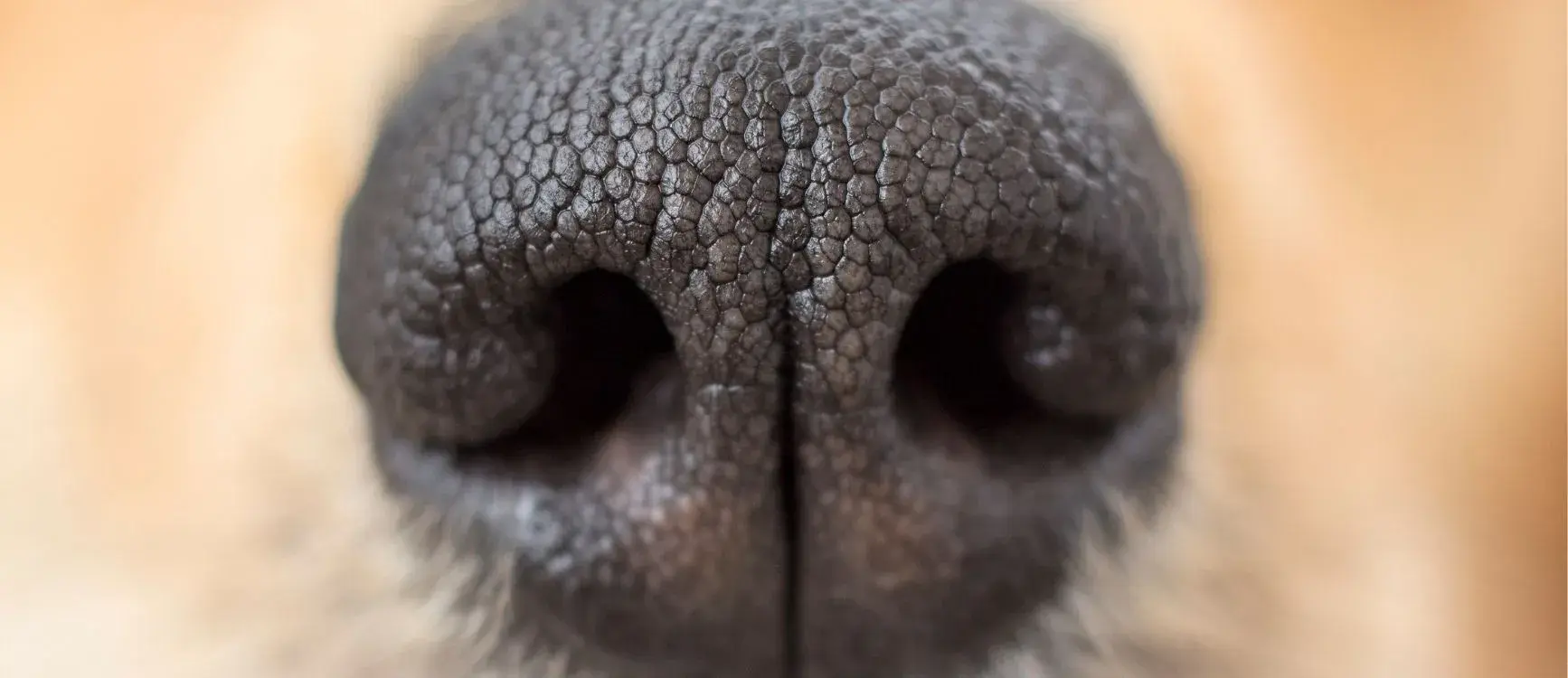
Step 1: Quick Check: Is This An Emergency Or Can It Wait?
Before you go down a rabbit hole of symptoms and worst-case scenarios, take a breath and check your dog’s overall behavior. Many dog nose changes look dramatic but are actually mild and temporary.
If your dog is acting normal, eating well, is playful, sleeping normally, and breathing comfortably, most nose issues can be monitored at home for a short time.
However, you should call the vet right away if your dog has thick yellow or green discharge, bleeding, severe swelling, labored breathing, or extreme sneezing fits that won’t stop. A dog nose clogged with mucus or debris can quickly become serious if breathing is affected. The same goes for any sudden lump or growth on dogs nose, especially if it’s bleeding or rapidly increasing in size.
A general rule: if the nose problem is paired with lethargy, loss of appetite, fever symptoms, or obvious pain, it’s no longer a “wait and see” situation.
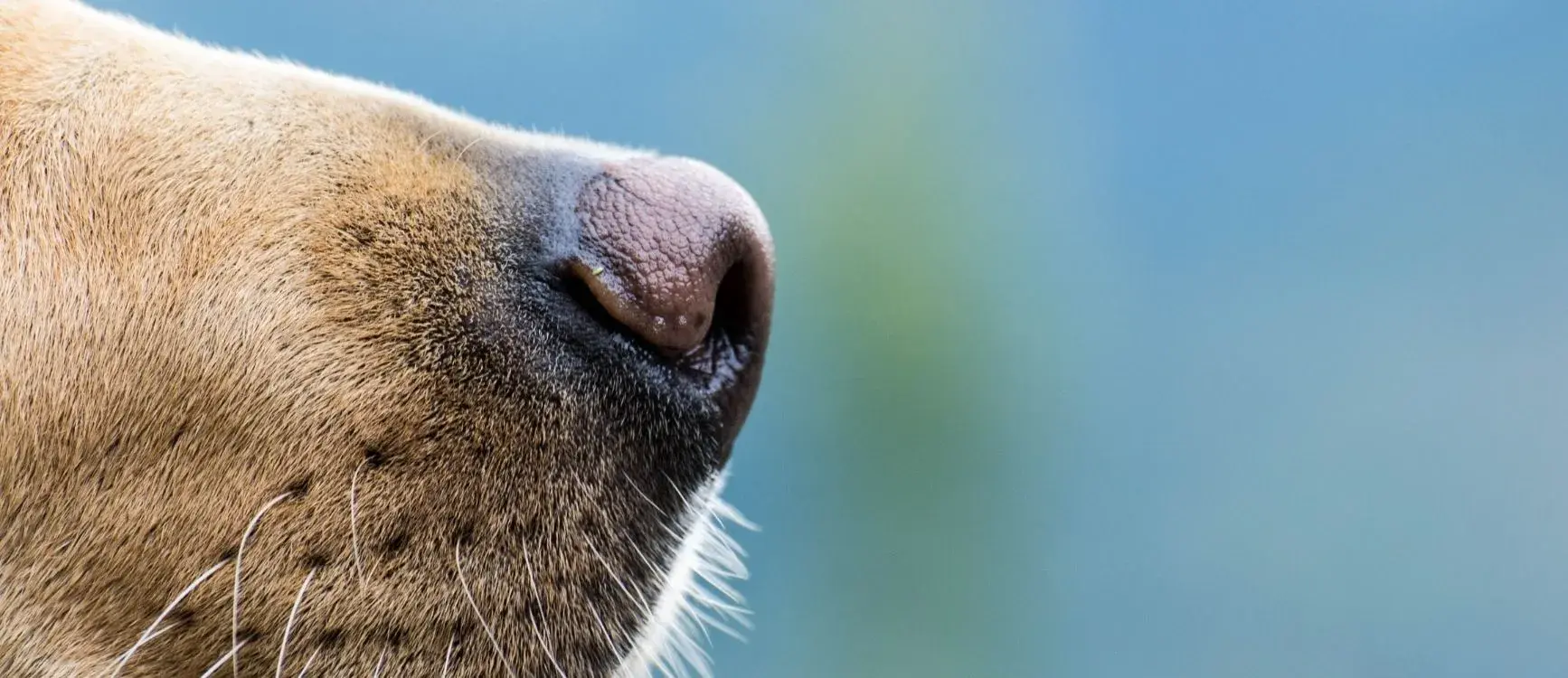
Step 2: What Does It Feel Like? (owner-friendly Clues)
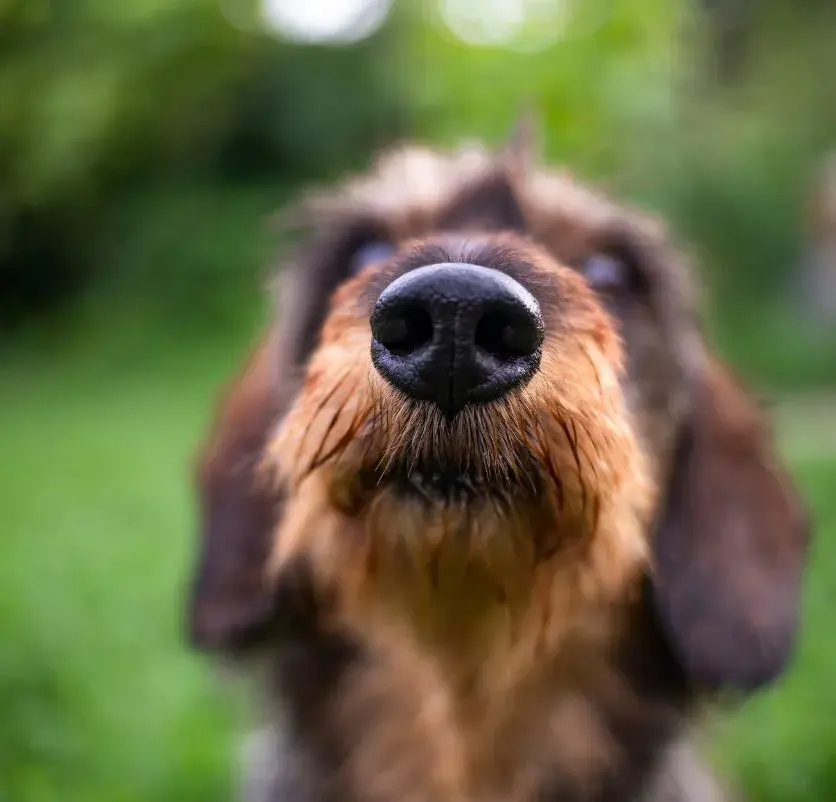
A lot of dog owners focus on what the nose looks like, but how it feels can tell you just as much. If your dog’s nose feels cool and slightly damp, that’s usually a healthy baseline. If you’re wondering why your dog's nose is cold, the answer is often simple: moisture evaporates and cools the nose surface. It’s similar to how your skin feels cooler when it’s wet.
A warm nose can be normal too, especially after sleeping or sun exposure. Many owners panic when they notice their dog’s nose is warm, but warmth alone doesn’t mean fever. Dogs often wake up with a warm, dry nose because they haven’t been licking it while asleep.
On the other hand, if the nose feels hot, cracked, swollen, or painful to touch, it may indicate inflammation or infection. If your dog pulls away when you touch their nose or seems irritated, that’s a stronger clue that something is wrong.
Step 3: What Does It Look Like? (what You Can Spot At Home)
Now let’s look at the most common dog nose issues and what they usually mean. This is where many people start searching things like why dog nose wet, why dog nose dry, or dog nose changing color.
And yes, Google makes it sound like every symptom equals disaster. It doesn’t.
Wet Dog Nose: What It Means
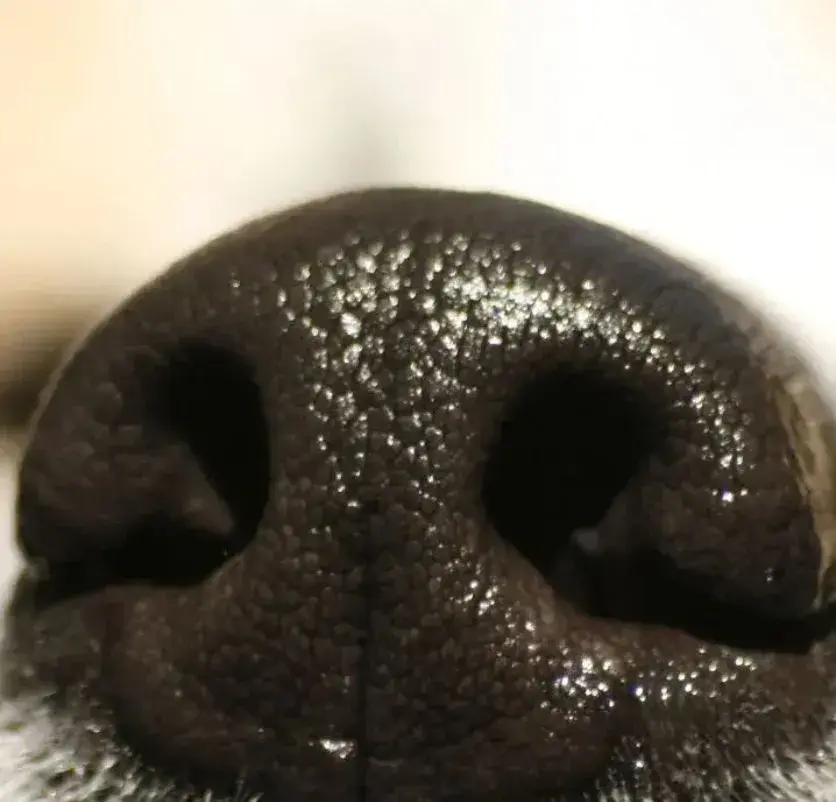
A wet nose is the classic “healthy dog” sign. But it’s also one of the most misunderstood.
So, why do dogs' noses get wet?
A dog’s nose becomes wet because of normal mucus production, licking, and the way moisture helps them trap scent particles. Dogs rely heavily on smell, and a moist nose improves scent detection. That’s one of the most common answers behind why a dog's nose gets wet.
In many cases, a wet nose is completely normal and healthy. Your dog may have a wet nose after drinking water, sniffing outdoors, licking their nose, or even after being in humid air.
That said, there’s a difference between a healthy wet nose and discharge.
If the nose is wet with clear fluid that comes and goes, that’s usually harmless. But if the fluid becomes thick, sticky, yellow, green, bloody, or foul-smelling, it could mean infection, allergies, or irritation.
This is where owners start searching dog’s nose is running, because it becomes more than just “wet.”
Runny Dog Nose: When It’s Normal Vs. When It’s Not
If your dog’s nose is running, the first thing you should check is the type of discharge.
Clear discharge is often linked to seasonal allergies, dust, cold weather, or mild irritation. Dogs may get a runny nose after being outside in grass, near pollen, or after sniffing dusty areas. If the discharge is clear and your dog is otherwise acting normal, you can usually monitor at home for a day or two.
However, if your dog’s nose is running thick yellow or green mucus, that often suggests infection. If it’s coming from only one nostril, that can sometimes point to a foreign object lodged inside, like a grass seed.
This is also a good time to look closely at your dog nostrils. If one nostril looks blocked, swollen, or produces discharge while the other is clear, the issue may be more localized.
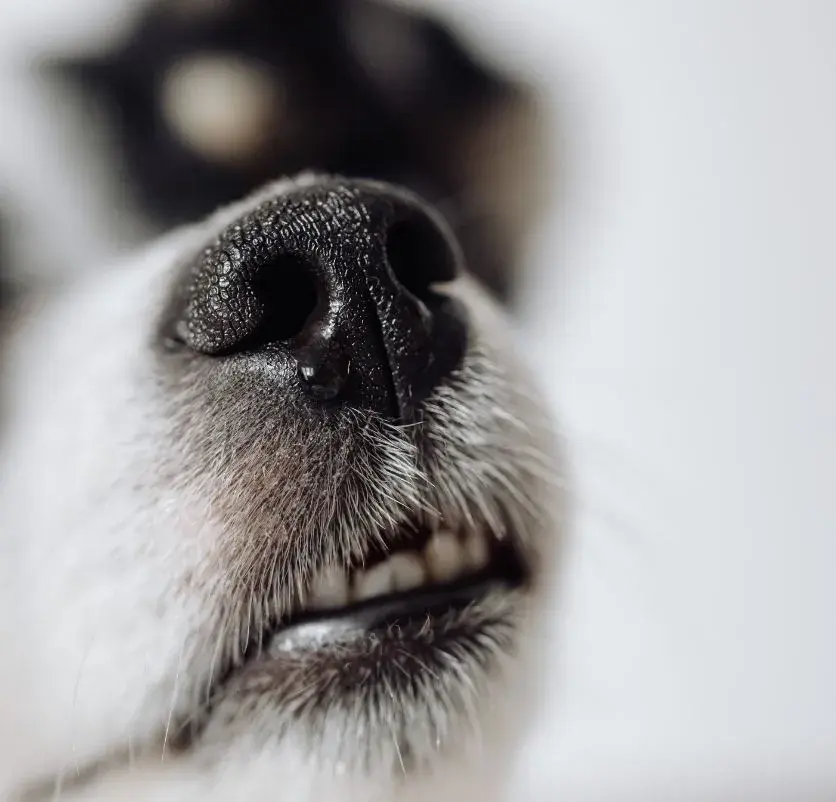
If the discharge is bloody, even if it’s just a little, it’s always worth a vet call. Nosebleeds can happen from trauma, dryness, infection, clotting issues, or growths.
Dry Dog Nose: Common Causes And When To Worry
Now let’s address one of the biggest questions dog owners ask: why dogs nose is dry?
A dog's dry nose can be completely normal. Dogs often wake up with a dry nose, especially after naps. Dry indoor air from heaters or air conditioners can also dry out the nose quickly.
So if you’re wondering why your dog's nose is dry, the answer may be as simple as environment and hydration.
However, dryness becomes a problem when it turns into cracking, crusting, or thick buildup. If your dog’s nose is dry and flaky but improves during the day, it’s usually harmless. But if the dryness is constant, worsening, or paired with bleeding cracks, it could indicate hyperkeratosis, allergies, sun damage, or autoimmune conditions.
Many owners search asking why their dog's nose is dry because the symptom is so common, and the truth is, context matters more than the dryness itself.
How To Moisturize Dog Nose Safely
If your dog has mild dryness, you may be wondering whether to use a moisturizer on your dog's nose or how to safely moisturize it.
The best approach is to use a balm designed specifically for pets. These products are made to be safe if licked, which matters because dogs constantly lick their noses. A dog-safe moisturizer can soothe irritation and prevent cracking, especially during winter.
If you’re looking up how to moisturize a dog's nose, the key is consistency and safety. Apply a thin layer once or twice daily, especially before bed. Avoid heavily fragranced products, essential oils, or human lotions, as many ingredients are unsafe for dogs.
A good rule: if you wouldn’t feel comfortable with your dog swallowing small amounts of it, don’t use it on their nose.
Warm Dog Nose: Is It A Fever?
It’s very common to touch your dog and suddenly think, “Wait… why is your dog’s nose warm?”
A warm nose is often normal after sleep, exercise, excitement, or sun exposure. Dogs regulate temperature differently than humans, and nose temperature changes quickly throughout the day.
However, if the warm nose comes with sluggishness, vomiting, diarrhea, heavy panting, or refusal to eat, that’s when you should consider the possibility of fever or illness.
A warm nose alone is not a reliable fever test. The best way to confirm fever is with a rectal thermometer (or a vet visit if you’re unsure).
Cold Dog Nose: What Does It Mean?
Some owners also worry when the nose feels unusually cold, leading to searches like why dog nose cold.
In most cases, a cold nose is completely normal. Dogs’ noses often feel cold because of moisture evaporating off the surface and cooling it down. Weather also plays a role, if your dog has been outside, their nose may feel colder than usual.
If the nose is cold but your dog is energetic and acting normal, it’s usually nothing to worry about. But if the cold nose comes with pale gums, weakness, or shaking, it could be a circulation issue and needs urgent attention.
Dog Nose Crusty: What It Means
A crusty dog nose texture can happen for simple reasons, like dry weather, mild irritation, or a healing scratch.
But persistent crustiness can also point to more serious conditions. Some dogs develop thick crust buildup due to hyperkeratosis, which causes excess keratin production and leads to a rough, hardened surface.
If your dog’s nose looks crusty, flaky, or thickened and doesn’t improve with moisture support, it’s worth having a vet evaluate it, especially if cracks appear or bleeding starts.
A crusty nose can also occur from allergies, fungal infections, sunburn, or autoimmune conditions, so it’s not something to ignore if it’s ongoing.
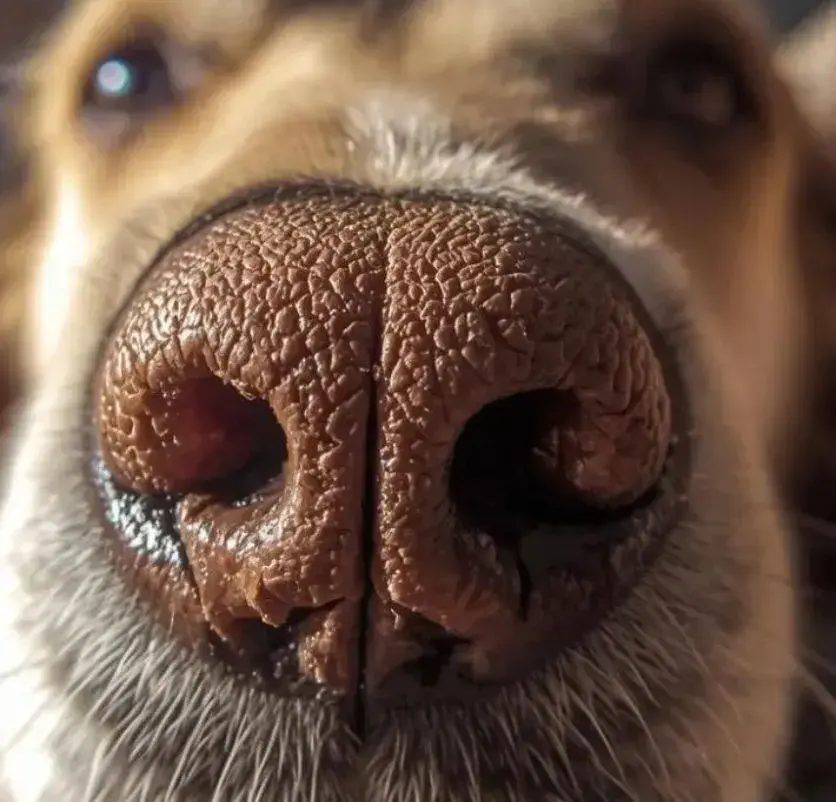
Dog Nose Clogged: What To Look For
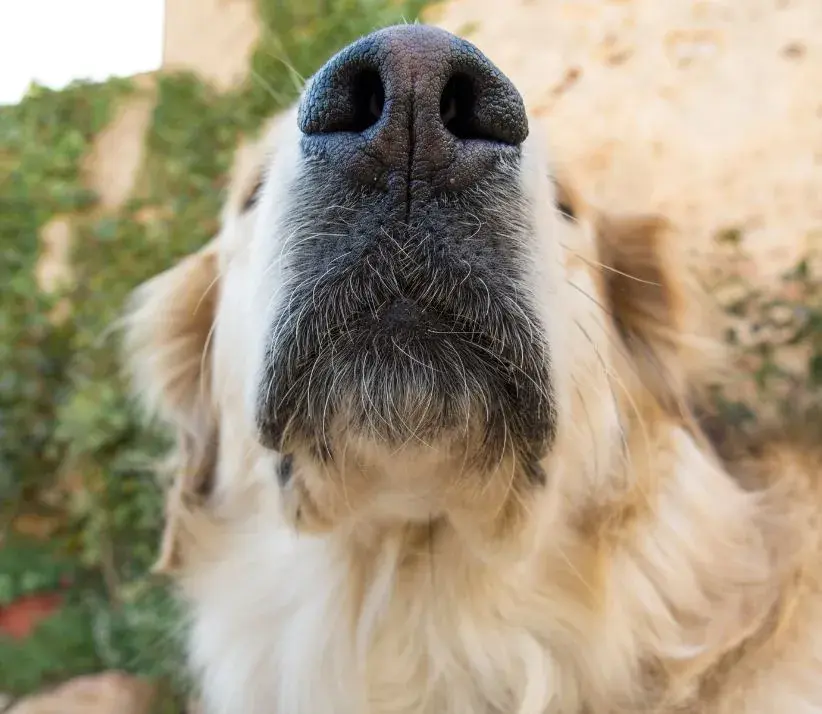
A dog nose clogged with mucus or debris is often paired with sneezing, noisy breathing, and discharge.
If your dog is pawing at their face, sneezing repeatedly, or breathing louder than usual, check the nostrils carefully. Sometimes dogs inhale dirt, sand, or plant material that gets stuck.
A clogged nose can also happen with respiratory infections, sinus issues, or nasal inflammation.
If your dog struggles to breathe through the nose or only one nostril is working, call your vet. Dogs can’t explain discomfort, but a blocked nasal passage can quickly become painful and dangerous.
Dog Nose Changing Color: What’s Normal And What’s Not
One of the most surprising dog nose symptoms is pigmentation change. Many owners suddenly notice their dog’s nose fading or turning pink and immediately panic.
So let’s answer the big question: why do dogs nose turn pink?
In many dogs, pigment fades seasonally, especially during colder months. This is sometimes called “snow nose,” and it’s common in breeds like Labradors, Golden Retrievers, and Huskies.
A dog nose changing color isn’t always a sign of illness. Sometimes it’s genetic, seasonal, or age-related.
However, color changes become more concerning if they happen suddenly, unevenly, or alongside sores, crusting, swelling, or hair loss. If your dog’s nose is changing color and also looks irritated, raw, or scabbed, it could signal autoimmune disease, infection, sun damage, or dermatitis.
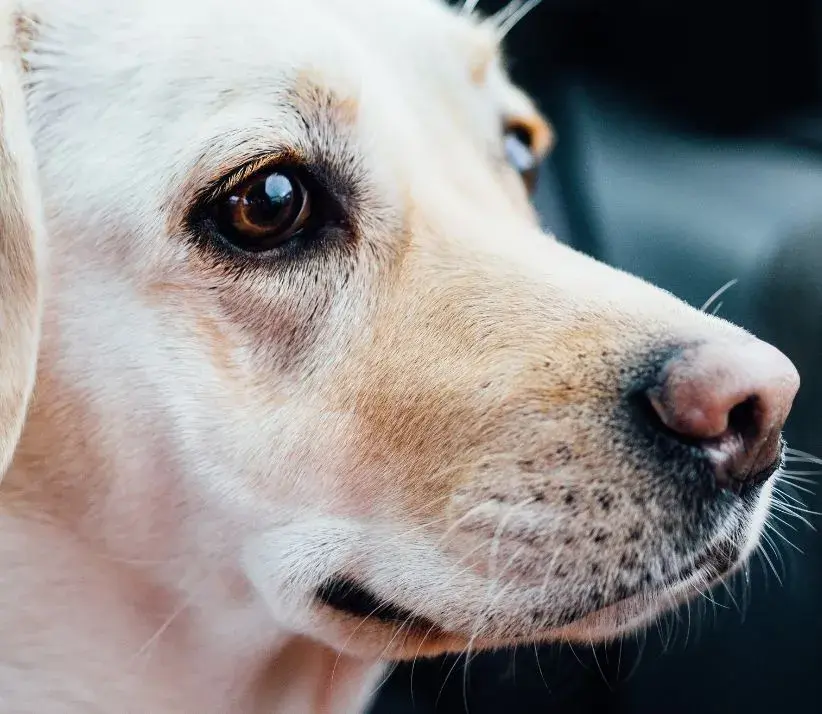
If the nose turns pink and stays pink, especially with texture changes, it’s worth getting it checked.
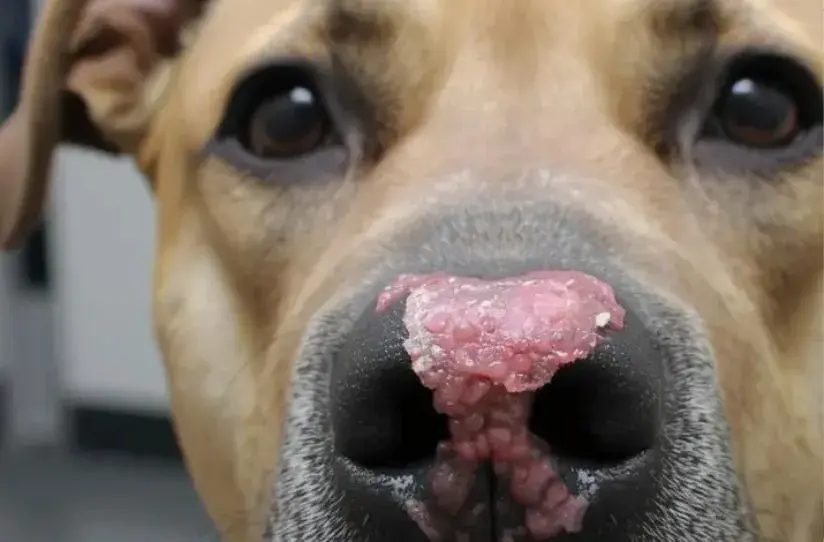
Growth On Dog’s Nose: When A Lump Needs Attention
A growth on dogs nose is something you should always take seriously, even if your dog seems fine.
Not every bump is cancer, some are harmless warts, cysts, or inflammation from insect bites. But the nose is sensitive tissue, and growths can easily bleed or become infected.
You should see a vet if the growth:
-
gets bigger over time
-
bleeds or crusts
-
changes color
-
looks ulcerated or raw
-
causes breathing issues
-
appears suddenly and rapidly grows
The earlier a vet examines it, the easier it is to treat.
Case Scenario: “rocky’s Crusty Nose That Wouldn’t Heal”
Rocky, a senior mixed breed, developed a dry patch that slowly became a crusty, thickened area on his nose. His owner thought it was just winter dryness and tried a balm, but it didn’t improve.
At the vet, Rocky was diagnosed with early hyperkeratosis and mild infection in the cracks. The vet recommended a medicated balm and routine nose care.
Within a few weeks, the crusting reduced and the cracking healed.
The takeaway? When a dog's nose problem doesn’t respond to basic care, it’s usually time for professional evaluation.
When To Call The Vet (the “don’t Wait” List)
Even if your dog seems okay, nose symptoms should be checked if you notice:
-
thick yellow or green discharge
-
bloody discharge
-
repeated sneezing fits
-
a dog nose clogged with mucus
-
swelling or pain around the nostrils
-
breathing difficulties
-
cracks that bleed
-
a growth that changes in size or color
-
a dog nose crusty texture that worsens
-
sudden dog nose changing color paired with sores
A good guideline is this: if the nose issue lasts more than a few days or gets worse instead of better, call your vet.
Conclusion: Dog Nose Problems
Your dog’s nose may seem like a small detail, but it tells a lot about their health. Changes in moisture, temperature, texture, or color, whether it’s a wet nose, a dry nose, a dog nose crusty spot, a dog nose clogged with discharge, or a growth on dogs nose, can range from completely normal to a warning sign.
The key is observation: pay attention to patterns, note sudden changes, and combine what you see with how your dog is acting overall. A playful, eating, energetic dog with a slightly dry or warm nose is usually fine. But persistent cracks, thick discharge, swelling, unusual color changes, or growths should never be ignored.
By following this guide, you now have a step-by-step approach to:
-
Understand why your dog’s nose may be wet, dry, warm, or running
-
Recognize concerning symptoms in your dog’s nostrils
-
Know when to moisturize safely and how to care for a dog’s nose dry spots at home
-
Decide when a vet visit is truly necessary
Remember: your dog’s nose is a window into their health, and with careful observation, you can catch minor issues early before they become serious. Keep checking, keep notes, and stay calm, you’re now equipped to read your dog’s nose like a pro.
Quick Reminder For Dog Owners
If you’re ever unsure, take a clear photo of your dog’s nose today. If the issue changes tomorrow, you’ll have a reference point to compare, and that can help your vet diagnose much faster.
FIND THE BEST BUDDY FOR YOUR HOME
Tired of playing door referee? Door Buddy gives you an easy way to control access in your home, from curious cats to energetic dogs to busy little humans. Find the right fit below and take back control of your space.
WHAT’S ON THE BLOG
Tips, tricks, and stories for happier, healthier cats and homes. Explore our latest articles below.

Subscribe to be the first to hear about our exclusive offers and latest arrivals.
INFORMATION
COMPANY
GET IN TOUCH
Copyright © 2026 | All rights reserved @Door Buddy

Your Privacy Rights
At The Door Buddy, your privacy matters. You have full control over how your personal data is collected and used.
Opt out of sale & sharing
You have the right to opt out of the sale or sharing of your personal information for targeted advertising.
Right to correct & delete
You may request corrections or deletion of inaccurate personal information we hold about you.
Do Not Sell / Targeted Advertising
We may share browsing data with advertising partners. Toggle off to opt out across all our ad platforms.
Targeted advertising Active
Allows personalised ads based on your activity on The Door Buddy store and across the web.
Meta / Facebook Pixel
Used for retargeting campaigns and conversion tracking via Meta Ads Manager.
Google Ads & remarketing
Enables conversion tracking and personalised ads across Google's network.
Sensitive Personal Information
We do not currently store sensitive personal data such as health or financial information.
Precise location
Used to estimate shipping times and show local delivery options.
Browsing & purchase history
Used to personalise your experience including product recommendations.
Cookie Preferences
Manage which cookies are stored on your device.
Strictly necessary Always on
Required for checkout, cart, login, and security.
Analytics & performance
Help us understand how visitors navigate the store (e.g. Google Analytics).
Marketing & advertising
Used to deliver relevant ads and measure campaign performance.
Functional
Enhance your experience with features like live chat and wishlists.
Access, Correct & Delete Your Data
Submit a request below — we aim to respond within 30 days as required by law.
Request a data report
Receive a full summary of personal data we hold about you.
Correct my data
Ask us to update or fix inaccurate personal information we hold.
Delete my account & data
Request permanent deletion, subject to legal retention requirements.