
50,000+ HAPPY CUSTOMERS

How To Stop A Cat From Scratching Furniture
(complete Guide + Best Products)
By: Door Buddy Editors | Published: 18 December 2025
Why Cats Scratch
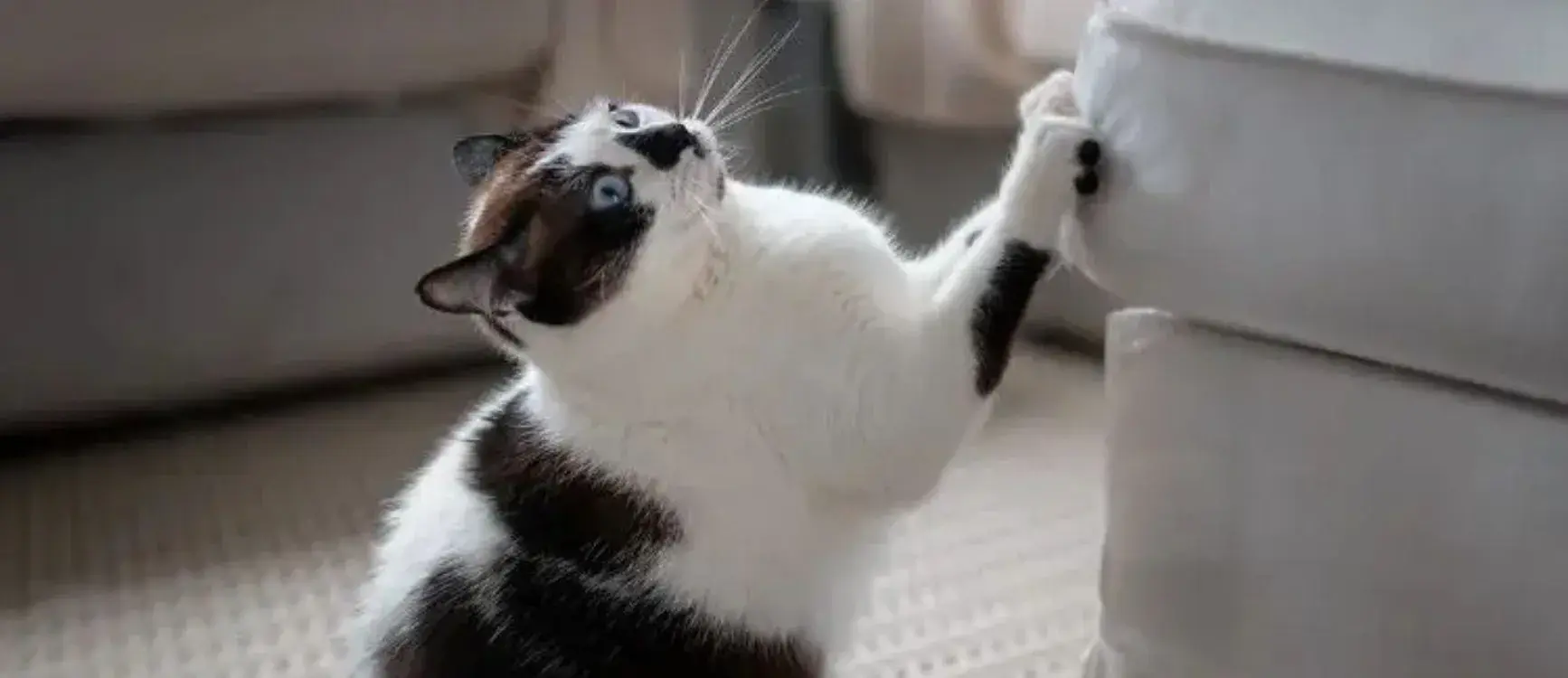
Before we fix the problem, it’s essential to understand why cat scratching happens in the first place.
Cats scratch because it:
-
It is 100% natural and necessary
-
Helps them stretch and flex muscles
-
Allows them to mark territory using scent glands in their paws
-
Helps maintain healthy claws
-
Provides mental stimulation and stress relief
So the goal isn’t to stop scratching entirely; it’s to redirect it away from your couch, chairs, and beloved leather sectional.
Why Cats Scratch Furniture
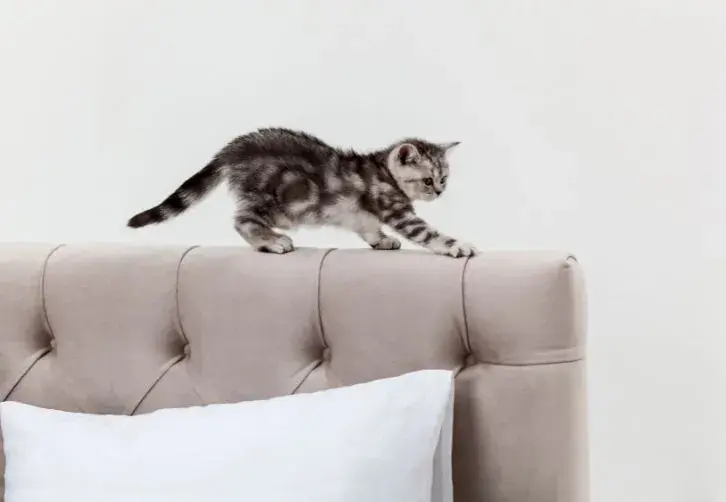
If you’re dealing with cat scratching house furniture, it usually comes down to one of these reasons:
-
Territory marking (they’re scenting high-value areas)
-
Boredom or lack of cat scratching toys
-
Stress or anxiety
-
Dull or overgrown claws
Texture preferences (many cats LOVE scratching fabric and wood; some even target leather)
Will Cats Scratch Leather?
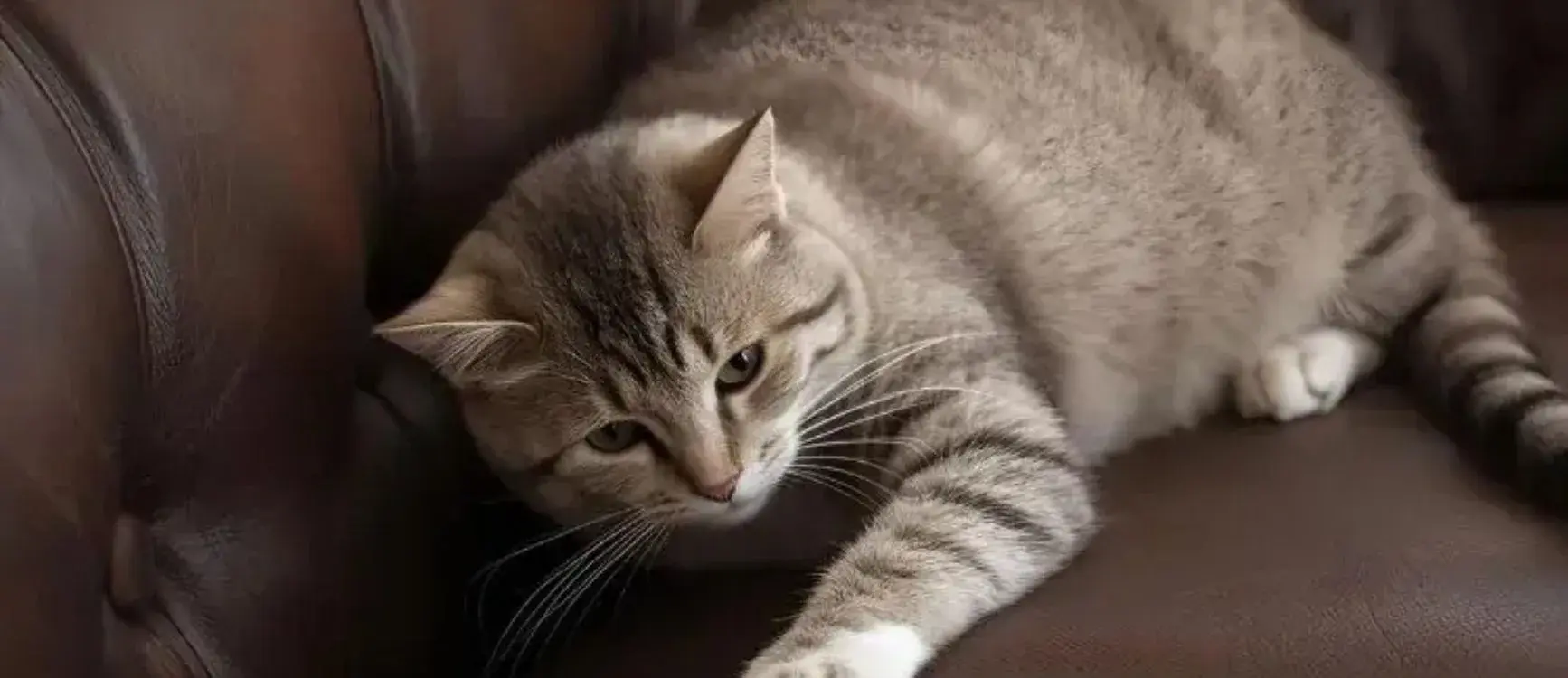
Yes, many do, especially playful or anxious cats. Leather shows damage easily, which makes prevention important.
Common scratching triggers:
-
New home
-
New pet
-
New furniture
-
Remodeling
-
Holiday decorations (hello, cat scratching Christmas tree)
Understanding the cause helps you find the right solution.
Identify What Type Of Scratcher Your Cat Is
Buying the right scratcher starts with understanding your cat’s style:
Vertical Scratcher: Your cat likes to reach up high, “purrfect” for a cat scratching pole or tall sisal post.
Our pick: Pet Adobe 19.25-in Polyester Cat Scratching Post with Toys
Horizontal Scratchers: Call for cat scratching mats or flat cardboard pads.
Our pick: Modkat® Premium 2 Cat Scratcher Set. Large (30L X 10.6H in.)
Angled Scratchers: Ramps, incline boards, and angled cardboard towers work beautifully.
Our pick: 2-in-1 Cat Scratching Board – Durable Frame with Triangular Ball, Toy and Relaxation Corner
Texture Preferences
Watch what your cat targets:
-
Sisal rope or sisal fabric
-
Cardboard
-
Carpet
-
Wood
-
Fabric furniture
Once you know this, choosing the right scratcher is much easier.
How To Stop A Cat From Scratching Furniture (step-by-step)
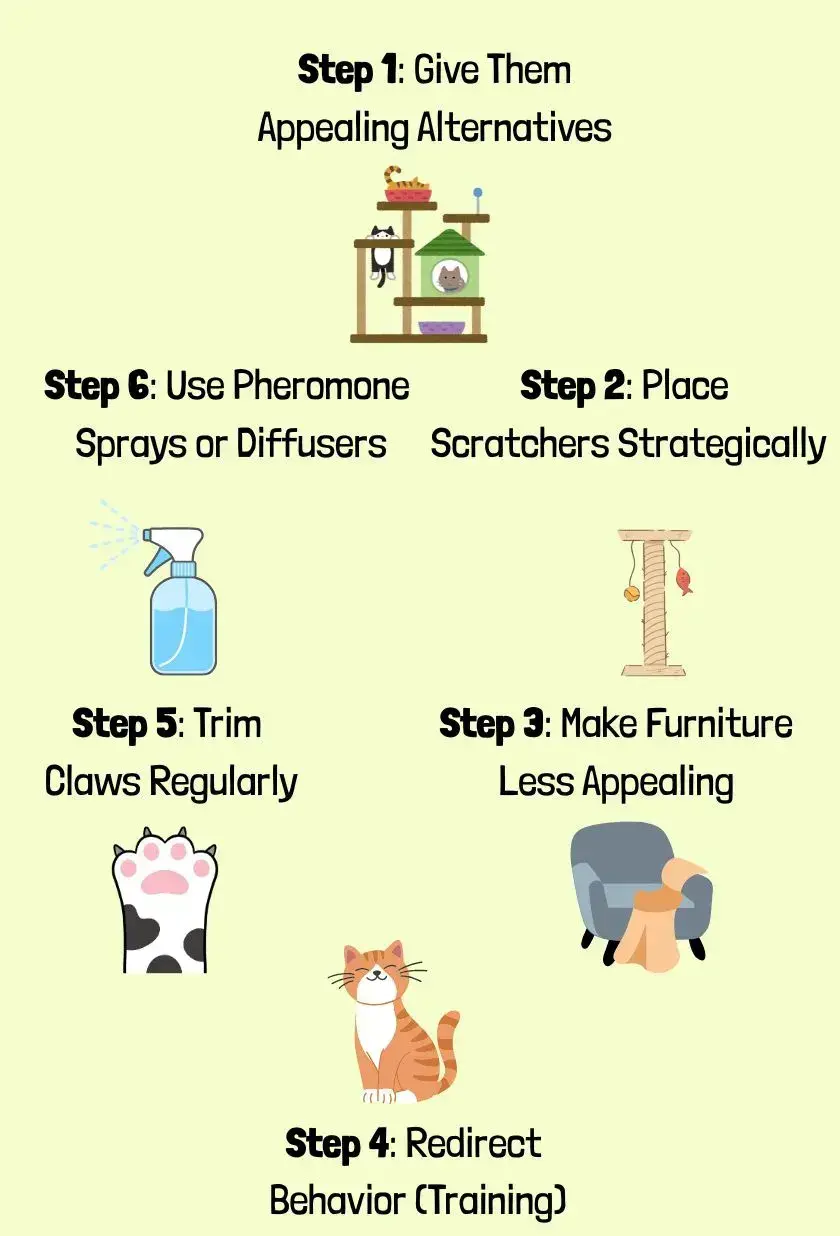
(How to train a cat to stop scratching couches - simplified!)
Step 1: Give Them Appealing Alternatives
Cats scratch, so give them better options:
-
Tall sisal scratching posts
-
Cat trees
-
Wall-mounted scratchers
-
Horizontal cat scratching mats
-
Angled boards
-
Cat scratching beds (many combine comfort + scratchable surfaces)
Add cat scratching toys to keep them busy and fulfilled.
Step 2: Place Scratchers Strategically
Put scratchers:
-
Right next to the furniture currently being destroyed
-
Near sleeping areas (cats scratch when they wake up)
-
In high-traffic pathways
If your cat is scratching the couch, place a vertical scratcher beside it. If they’re scratching the carpet, offer a flat mat in that exact spot.
Step 3: Make Furniture Less Appealing
Until new habits form, protect your furniture with:
-
Cat scratching couch protectors
-
Affordable cat furniture covers that resist scratches
-
Double-sided cat scratching deterrent tape
-
Plastic or acrylic furniture shields
-
Temporary foil or blankets for newly purchased furniture
These are especially useful for cat scratching leather furniture
Step 4: Redirect Behavior (Training)
You can absolutely train cats gently:
-
Say “no” calmly (never yell)
-
Move them to the scratcher
-
Reward good scratching with treats
-
Sprinkle catnip or silvervine on the scratcher
-
Use wand toys to guide scratching in the right spot
Consistency > perfection.
Step 5: Trim Claws Regularly
Trim every 2-3 weeks:
-
Use proper cat nail clippers
-
Trim during sleepy times
-
Offer treats
-
Clip one or two nails at a time for nervous cats
Shorter claws = less furniture damage.

Best for:
– High-energy dogs
– Boredom-driven behavior
Not ideal if:
– The habit happens overnight
– Your dog is already well-exercised
Step 6: Use Pheromone Sprays or Diffusers
Great for anxious or territorial cats.
Pheromones help reduce:
-
Stress scratching
-
Door scratching
-
Furniture marking
Use them near cat scratching poles, beds, and common scratch zones.
Best Products To Prevent Cat Scratching On Furniture
Top Scratchers
-
Cat scratching beds (2-in-1 win!)
Furniture Protectors
Sprays & Training Aids
Claw Maintenance
-
Soft nail caps (great temporary solution)
What Not To Do
Avoid these (for safety, trust, and emotional well-being):
-
Never punish or yell
-
No water spraying (increases fear)
-
Don’t physically force paws onto posts
-
Avoid declawing - it’s painful, harmful, and illegal in many places
Positive reinforcement always works better.
Behavioral Causes & When To Worry
Some scratching has deeper roots:
-
Stress from changes
-
Boredom
-
Separation anxiety
-
Understimulation
-
Pain or discomfort (rare, but possible)
If your cat suddenly begins cat scratching at the door, walls, or furniture aggressively, consult a vet or feline behaviorist.
Looking to understand your cat’s behavior? Check out our blog to get to know your kitty better.

Creating A Cat-friendly Home
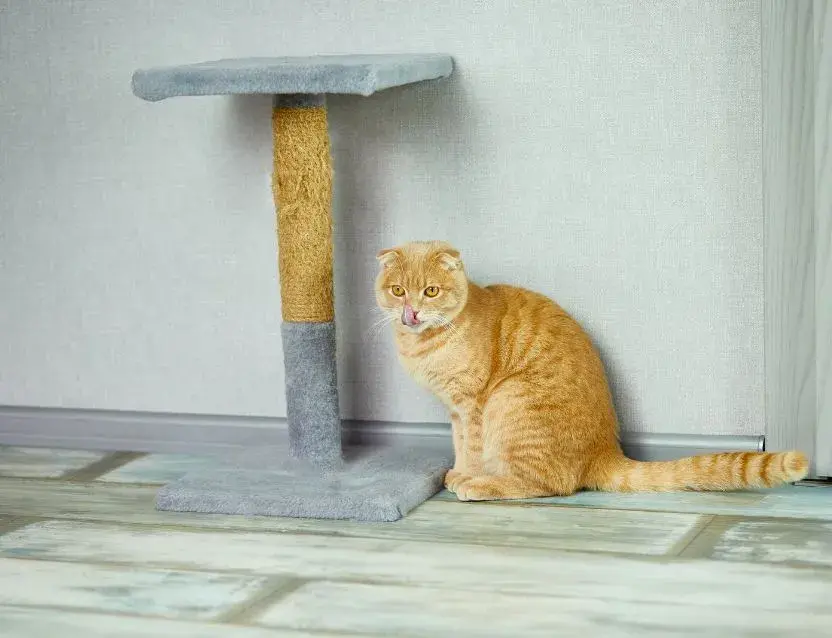
A scratch-free home starts with enrichment.
Try adding:
-
Multiple scratcher zones
-
Vertical climbing shelves
-
Cat trees
-
Cozy beds
-
Rotating toys
-
A weekly enrichment schedule
-
Predictable routines
Happy cats = less scratching.
FAQs
Conclusion: How To Stop A Cat Scratching Furniture
Stopping a cat from scratching furniture isn’t about eliminating scratching; it’s about working with your cat’s natural instincts.
Scratching is essential for their health, confidence, and happiness, so the key is redirection, not punishment. By understanding why your cat scratches, choosing the right type of scratcher, placing it strategically, and protecting furniture during the transition, you can dramatically reduce damage to your home.
With consistent training, positive reinforcement, regular nail trims, and the right products, like tall sisal posts, scratch mats, furniture protectors, and calming pheromones, you can create a win-win solution. Your cat gets the enrichment they need, and your furniture stays intact.
Remember, a well-stimulated, stress-free cat is far less likely to scratch in unwanted places. Build a cat-friendly environment, stay patient, stick to positive methods, and you’ll enjoy a happier cat and a scratch-free home for years to come.
FIND THE BEST DOOR BUDDY FOR YOUR HOME
Tired of playing door referee? Door Buddy gives you an easy way to control access in your home, from curious cats to energetic dogs to busy little humans. Find the right fit below and take back control of your space.
WHAT’S ON THE BLOG
Tips, tricks, and stories for happier, healthier cats and homes. Explore our latest articles below.

Subscribe to be the first to hear about our exclusive offers and latest arrivals.
INFORMATION
COMPANY
GET IN TOUCH
Copyright © 2026 | All rights reserved @Door Buddy

Your Privacy Rights
At The Door Buddy, your privacy matters. You have full control over how your personal data is collected and used.
Opt out of sale & sharing
You have the right to opt out of the sale or sharing of your personal information for targeted advertising.
Right to correct & delete
You may request corrections or deletion of inaccurate personal information we hold about you.
Do Not Sell / Targeted Advertising
We may share browsing data with advertising partners. Toggle off to opt out across all our ad platforms.
Targeted advertising Active
Allows personalised ads based on your activity on The Door Buddy store and across the web.
Meta / Facebook Pixel
Used for retargeting campaigns and conversion tracking via Meta Ads Manager.
Google Ads & remarketing
Enables conversion tracking and personalised ads across Google's network.
Sensitive Personal Information
We do not currently store sensitive personal data such as health or financial information.
Precise location
Used to estimate shipping times and show local delivery options.
Browsing & purchase history
Used to personalise your experience including product recommendations.
Cookie Preferences
Manage which cookies are stored on your device.
Strictly necessary Always on
Required for checkout, cart, login, and security.
Analytics & performance
Help us understand how visitors navigate the store (e.g. Google Analytics).
Marketing & advertising
Used to deliver relevant ads and measure campaign performance.
Functional
Enhance your experience with features like live chat and wishlists.
Access, Correct & Delete Your Data
Submit a request below — we aim to respond within 30 days as required by law.
Request a data report
Receive a full summary of personal data we hold about you.
Correct my data
Ask us to update or fix inaccurate personal information we hold.
Delete my account & data
Request permanent deletion, subject to legal retention requirements.