
50,000+ HAPPY CUSTOMERS

How To Create a Cat Room:
7 Easy Ideas for Multi-Pet Homes
By: Door Buddy Editors | Published: July 2, 2026
Why Cats Need a Cat-Only Room
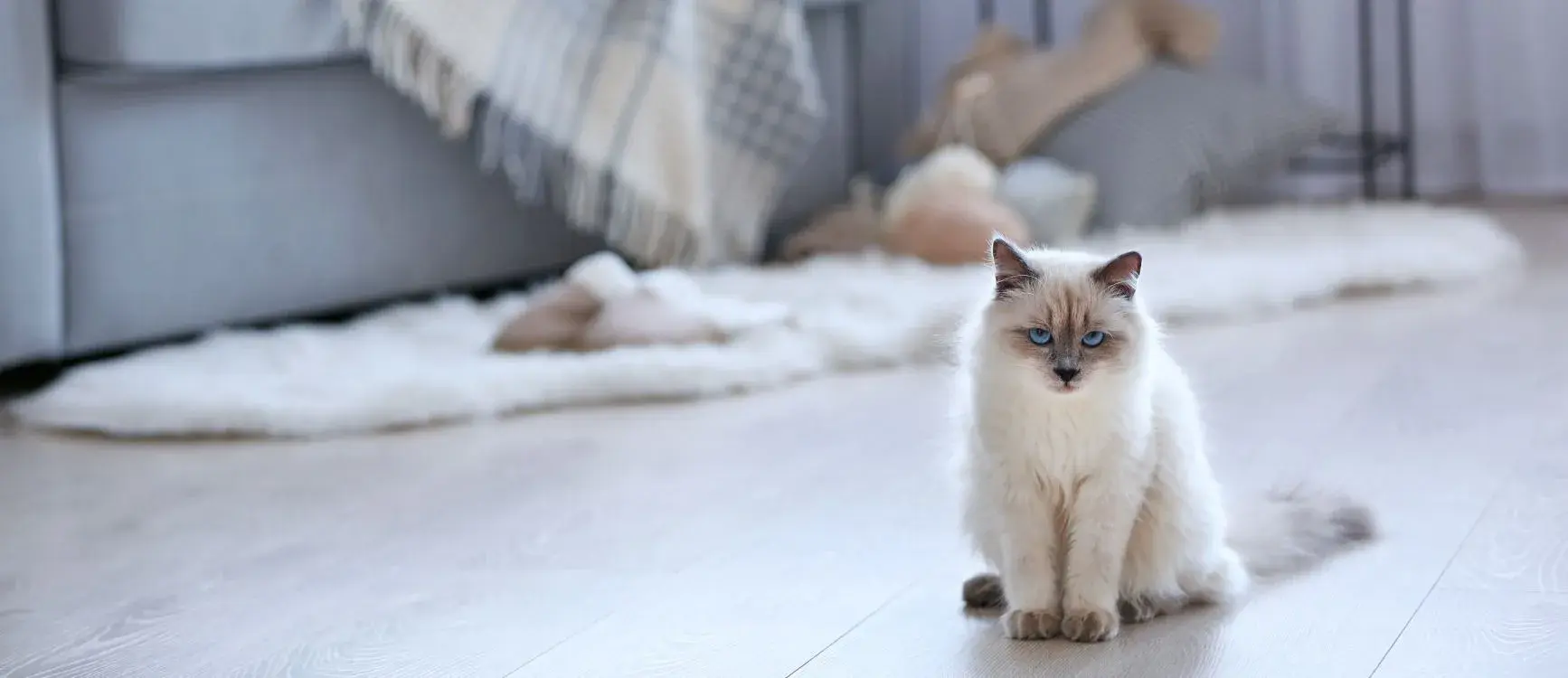
Cats naturally look for safe, cozy spaces where they can relax, watch the world go by, and feel completely in control of their surroundings. Even though most cats love being around their families, they also really appreciate having a quiet little retreat where they can step away from the noise and activity whenever things get a bit too busy.
In multi-pet homes, a cat room can make a big difference. It gives your cat a dog-free zone for eating, sleeping, and chilling out, which can help reduce stress and avoid those everyday squabbles over food bowls, toys, or litter boxes. It’s especially helpful for senior cats, shy kitties, or more anxious cats who just need a bit more peace and predictability. And if you’ve got toddlers running around, it also gives your cat a safe space to escape the chaos and recharge in peace.
But here’s the fun part: even confident, social cats still love having a space that’s all theirs. A little cat sanctuary room where they can switch off, reset, and just do very important cat things.
Did you know cats really don’t love closed doors? Read more here
Signs Your Cat May Need Their Own Space
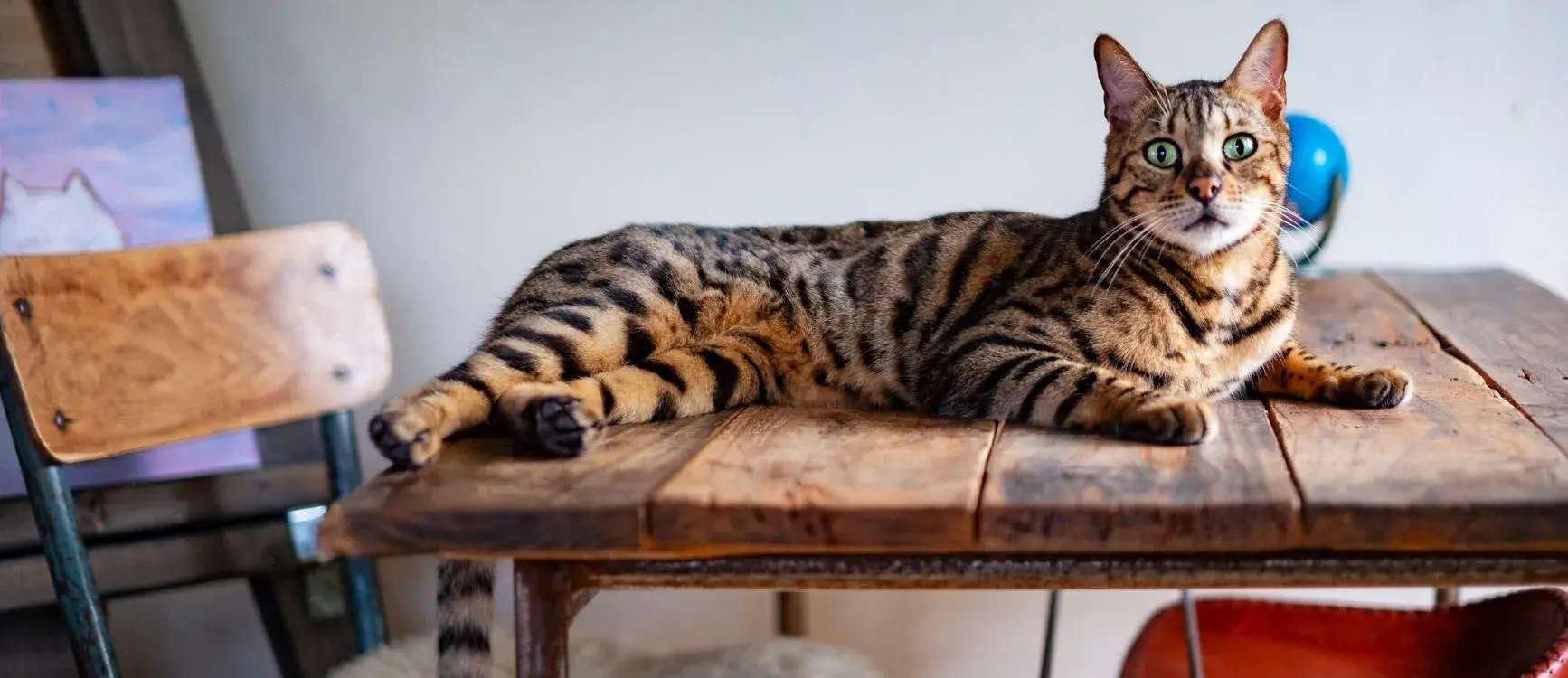
Not sure if your cat would benefit from a dedicated room? Watch for these common signs:
-
Hiding more than usual
-
Avoiding food when other pets are nearby
-
Sleeping in hard-to-reach places
-
Showing signs of stress or anxiety
-
Guarding food or litter boxes
-
Changes in litter box habits
If any of these sound familiar, creating a cat room can give your cat a cozy space to call their own. As a bonus, it can also help keep dogs away from the litter box.
1. Choose the Right Room
The best cat room doesn't need to be large or elaborate; it simply needs to be a space where your cat feels safe, comfortable, and able to relax without constant interruptions.
Many “pawrents” successfully transform spare bedrooms, home offices, laundry rooms, guest bathrooms, walk-in closets, or even finished basement areas into cozy feline retreats. When choosing a room, consider your cat's personality and daily habits.
A quieter area of the home is often ideal, especially for cats that are shy, anxious, or easily startled by noise and activity. Good ventilation, comfortable temperatures, and enough space for essentials like food, water, a bed, and a litter box are also important. If "paw-sible", choose a room with a window so your cat can enjoy natural light, birdwatching, and one of their favorite pastimes, keeping an eye on the world outside.
2. Create Easy Access for Your Cat
A cat room really works best when your cat can come and go as they please. Cats are naturally independent, and they don’t enjoy being stuck waiting for a door to open, especially when they’re heading to their food, litter box, or favorite nap spot. When your cat has easy, stress-free access, they’re much more likely to actually use and enjoy the space, which is really the whole point of creating a cat-only room.
Now, traditional pet doors can work in some homes, but they’re not always the most convenient option. They often involve cutting into doors or walls, which isn’t ideal if you’re renting or just don’t want to make permanent changes to your home. On top of that, many pet doors don’t fully solve the problem anyway, since they can still let dogs wander into the space and take over, exactly what you’re trying to avoid.
That’s where a simple, no-drill solution like Door Buddy can really help. Door Buddy keeps the door slightly open just enough for your cat to slip through comfortably, while still blocking access for larger pets and helping keep young children out. It’s an easy, flexible way to give your cat that sense of freedom and independence without turning your home upside down.
The end result is a space your cat can genuinely use on their own terms, coming and going freely, relaxing when they want to, and always having a safe little room that’s just for them.
3. Add Vertical Space
Cats naturally enjoy climbing and spending time in elevated areas where they can observe their surroundings from a safe vantage point. Adding vertical space to your cat-only room not only makes the room feel larger but also creates opportunities for exercise, exploration, and relaxation. Think cat trees, wall-mounted shelves, window perches, climbing systems, and tall scratching posts can all help transform an ordinary room into a more enriching environment.
Many cats feel more confident when they have the option to retreat to a higher spot, especially in multi-pet households where they may occasionally want some distance from dogs or other family members. Vertical space is particularly valuable in smaller rooms because it increases your cat's usable territory without taking up additional floor space, allowing them to make the most of their private sanctuary.
4. Set Up a Private Feeding Station
One of the most common reasons “pawrents” create a cat room is to prevent dogs from getting into the cat food and disrupting mealtimes. Cats are naturally more relaxed when they can eat in a calm, predictable environment without feeling rushed or watched by other pets. A dedicated feeding station helps create that sense of stability, giving your cat consistent access to their food while reducing stress and competition.
When cats are able to eat peacefully, they are more likely to maintain healthy routines and feel secure around mealtime. This setup allows them to graze if needed, enjoy their meals at their own pace, and avoid the pressure that can come from sharing space with more food-motivated pets like dogs. For households where dogs regularly raid the cat’s bowl.
5. Create a Comfortable Resting Area
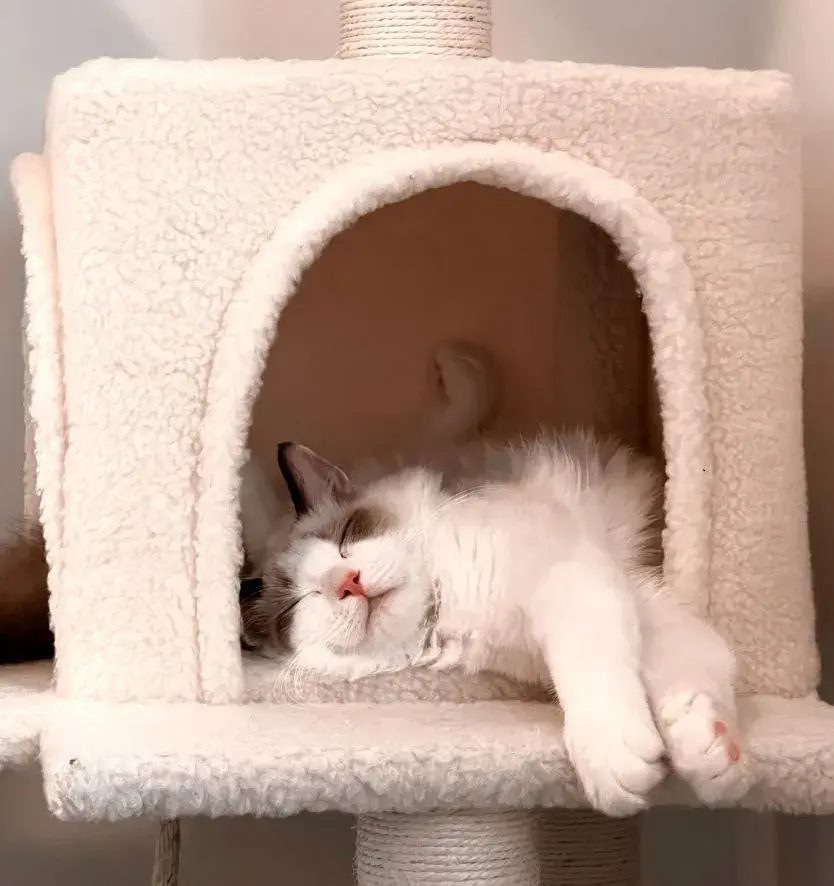
Cats spend a significant portion of their day sleeping and resting, so creating a comfortable, inviting space is essential when designing a cat room. A well-thought-out resting area gives your cat the opportunity to fully relax without interruption, which is especially important in busy households where noise, movement, or other pets can make it difficult to settle.
Adding a variety of resting options helps ensure your cat can choose the spot that suits their mood and comfort level. Cozy beds placed in quiet corners, soft blankets for nesting, window hammocks for sunbathing and birdwatching, covered hideaways for cats who prefer privacy, and heated beds for senior cats or those who enjoy extra warmth can all contribute to a more appealing environment.
6. Include a Litter Box Zone
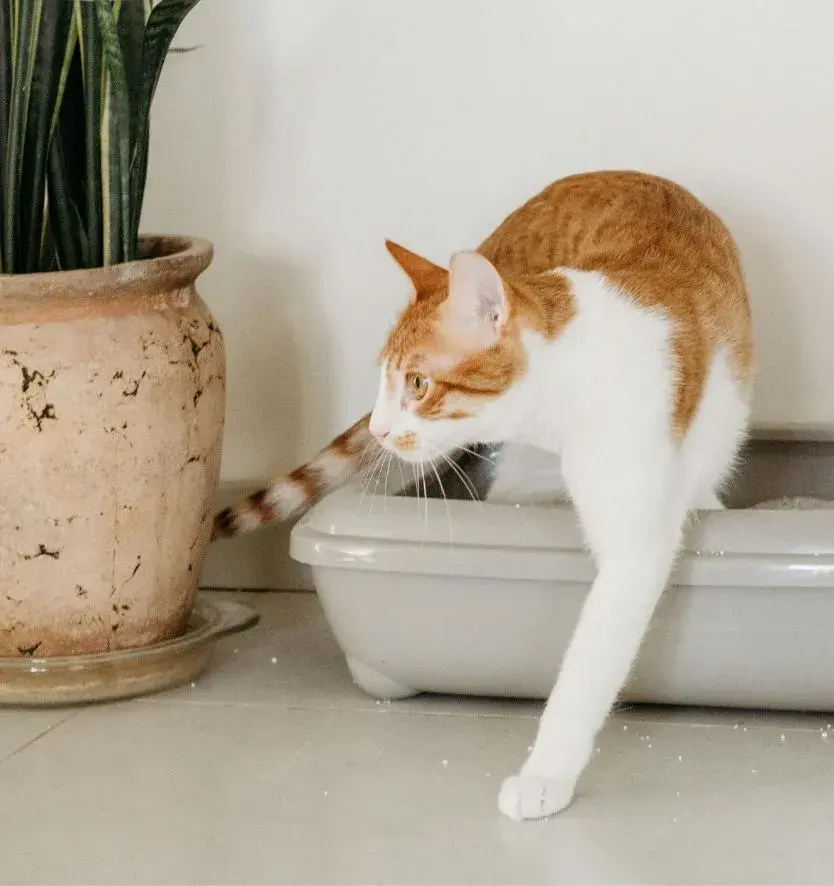
Many “pawrents” choose to place litter boxes inside the room because it offers a quiet, private, and low-stress environment for one of their cat’s most important daily routines. Cats are naturally private when it comes to using the litter box, and having a dedicated space can help them feel more secure and less exposed, especially in busy households.
This setup is particularly useful in homes where dogs are curious about the litter box or may try to access it, as well as in households with toddlers who might unintentionally disturb the area. A cat room helps keep the litter box protected and consistent, reducing stress for both pets and owners. It also “su-pawts” better hygiene habits.
7. Add Enrichment and Entertainment
A cat room should be much more than just a quiet place for eating and sleeping; it should also be an environment that keeps your cat mentally stimulated and engaged throughout the day. Cats are naturally curious and intelligent animals, and without enough stimulation, they can become bored, restless, or even develop unwanted behaviors. Creating opportunities for play and exploration helps support their overall wellbeing and keeps the space feeling fresh and interesting.
Interactive toys, puzzle feeders, scratching posts, and catnip toys can all help encourage natural behaviors like hunting, scratching, and problem-solving. Many cats also love having access to a window where they can watch birds, people, or outdoor movement, which provides hours of passive entertainment.
Common Mistakes to Avoid
When creating a cat room, try to avoid these common pitfalls:
Forgetting Vertical Space
Cats often value height just as much as floor space.
Choosing a High-Traffic Area
Busy hallways and noisy rooms may not provide the calm environment many cats prefer.
Making Access Difficult
Older cats may struggle with complicated entry points or obstacles.
Allowing Dogs Occasional Access
Consistency matters. If the room is meant to be a cat sanctuary, keeping it dog-free helps maintain your cat's sense of security.
Placing Food Too Close to the Litter Box
Cats generally prefer eating and toileting in separate areas.
Cat-Only Room Ideas for Small Homes
Don't have a spare room?
You can still create a cat space by transforming:
-
A section of a home office
-
A laundry room corner
-
A guest bathroom
-
A walk-in closet
-
A spare nook under the stairs
Even a small area can become a valuable retreat when designed with your cat's needs in mind.
Cat Room Ideas for Renters
Renters often face additional challenges when creating a cat room because permanent modifications may not be allowed. That's why it's helpful to look for renter-friendly solutions that don't require drilling, avoid cutting doors, can be removed easily when it's time to move, and still allow your cat to come and go freely while keeping dogs out.
Door Buddy is a “purrfect” fit for renters, since it installs in minutes without damaging doors or walls. It gives cats easy access to their private space while helping maintain the dog-free environment that makes a cat room so beneficial.
Frequently Asked Questions
Conclusion: Ways To Create A Cat Room
Creating a cat room doesn't require a major renovation or a huge budget. With a little creativity, you can design a safe, comfortable retreat where your cat can eat, relax, play, and escape the occasional chaos of daily life.
Whether you're trying to keep dogs away from cat food, protect litter box access, or simply give your feline friend a peaceful sanctuary, a dedicated cat-only room can make life better for everyone in the household, especially your cat.
FIND THE BEST DOOR BUDDY FOR YOUR HOME
Tired of playing door referee? Door Buddy gives you an easy way to control access in your home, from curious cats to energetic dogs to busy little humans. Find the right fit below and take back control of your space.
WHAT’S ON THE BLOG
Tips, tricks, and stories for happier, healthier cats and homes. Explore our latest articles below.

Subscribe to be the first to hear about our exclusive offers and latest arrivals.
INFORMATION
COMPANY
GET IN TOUCH
Copyright © 2026 | All rights reserved @Door Buddy

Your Privacy Rights
At The Door Buddy, your privacy matters. You have full control over how your personal data is collected and used.
Opt out of sale & sharing
You have the right to opt out of the sale or sharing of your personal information for targeted advertising.
Right to correct & delete
You may request corrections or deletion of inaccurate personal information we hold about you.
Do Not Sell / Targeted Advertising
We may share browsing data with advertising partners. Toggle off to opt out across all our ad platforms.
Targeted advertising Active
Allows personalised ads based on your activity on The Door Buddy store and across the web.
Meta / Facebook Pixel
Used for retargeting campaigns and conversion tracking via Meta Ads Manager.
Google Ads & remarketing
Enables conversion tracking and personalised ads across Google's network.
Sensitive Personal Information
We do not currently store sensitive personal data such as health or financial information.
Precise location
Used to estimate shipping times and show local delivery options.
Browsing & purchase history
Used to personalise your experience including product recommendations.
Cookie Preferences
Manage which cookies are stored on your device.
Strictly necessary Always on
Required for checkout, cart, login, and security.
Analytics & performance
Help us understand how visitors navigate the store (e.g. Google Analytics).
Marketing & advertising
Used to deliver relevant ads and measure campaign performance.
Functional
Enhance your experience with features like live chat and wishlists.
Access, Correct & Delete Your Data
Submit a request below — we aim to respond within 30 days as required by law.
Request a data report
Receive a full summary of personal data we hold about you.
Correct my data
Ask us to update or fix inaccurate personal information we hold.
Delete my account & data
Request permanent deletion, subject to legal retention requirements.