
50,000+ HAPPY CUSTOMERS

How To Tell If Your Cat Is Sick
By: Door Buddy Editors | Published: June 24, 2026
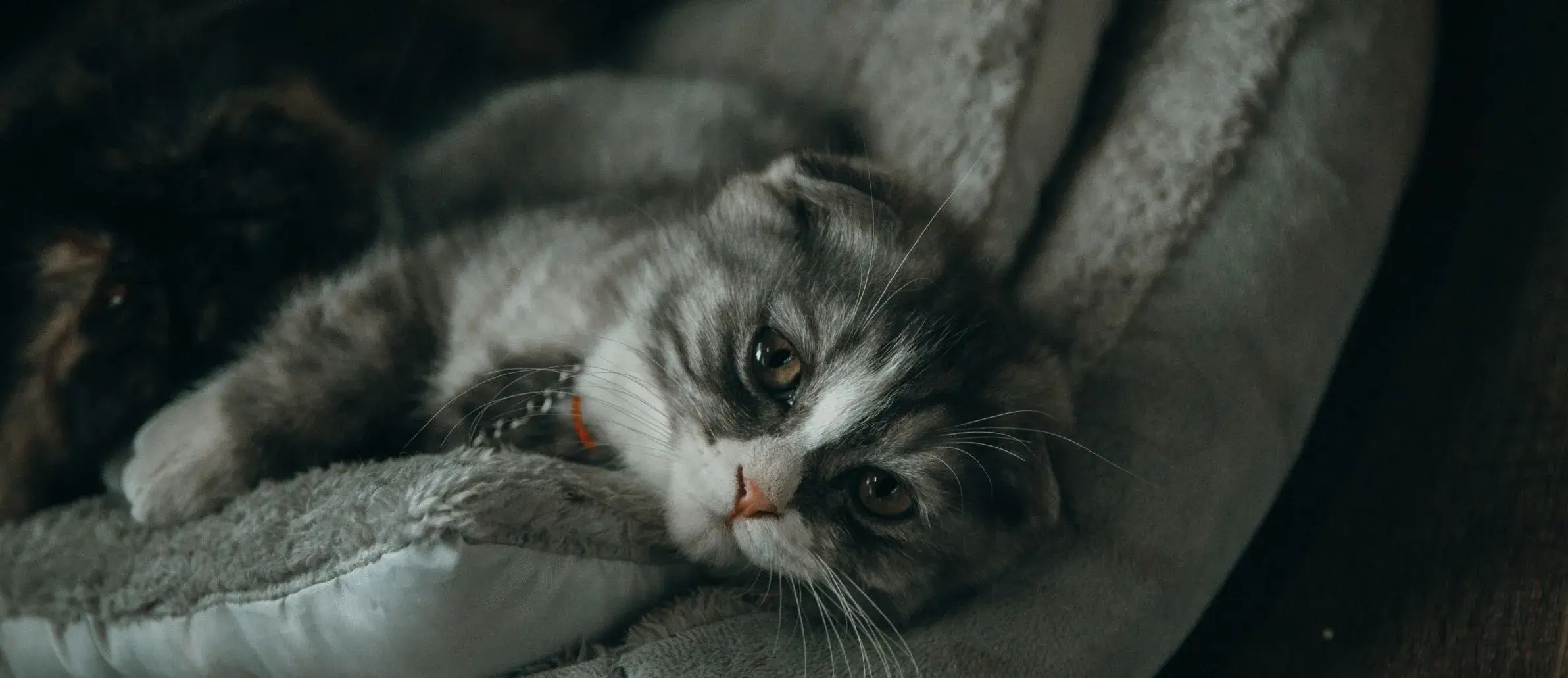
Quick Symptom Check: Could Your Cat Be Sick?
| Symptom | What It Could Mean | Call Your Vet? |
|---|---|---|
| Not eating for 24+ hours | Illness, pain, digestive issues | Yes |
| Hiding more than usual | Stress, discomfort, or illness | Maybe |
| Drinking much more water | Kidney disease, diabetes, or other health concerns | Yes |
| Sudden weight loss | Various underlying health conditions | Yes |
| Vomiting occasionally | Hairballs, stomach upset, or illness | Depends |
| Diarrhea lasting more than a day | Digestive issues, infection, or illness | Yes |
| Sleeping much more than normal | Illness, pain, or low energy levels | Maybe |
| Poor grooming or messy fur | Stress, pain, or health issues | Maybe |
| Limping or moving differently | Injury or pain | Yes |
| Difficulty breathing | Medical emergency | Immediately |
Common Signs Your Cat May Be Sick
If you’re trying to figure out how to tell if a cat is ill, the best place to start is their normal routine. Cats are creatures of habit, so even small changes in their usual “cat schedule” can be important.
Some common signs of illness in a cat include:
-
Eating less or refusing food
-
Drinking more or less water than usual
-
Vomiting or diarrhea
-
Sudden weight loss
-
Hiding more than usual
-
Sleeping way more than normal
-
Changes in grooming habits
-
Litter box issues
-
Bad breath
-
Unusual vocal noises
Basically, if your cat’s habits suddenly feel “off,” it’s worth paying attention.
Sick Cat Body Language
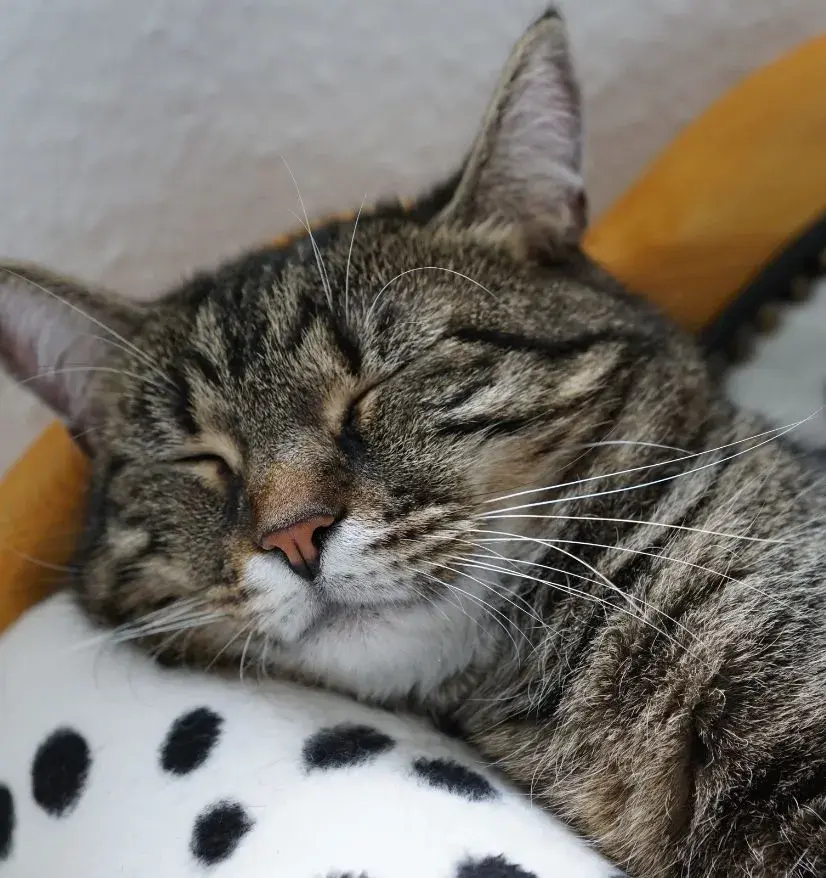
1. Behavioral Changes
One of the first signs that something may be wrong is a shift in your cat’s behavior. And because cats are all about routine, even small changes can stand out.
Your usually independent kitty might suddenly become clingy (if you’ve been thinking why is my cat being so clingy, this could be why), or your affectionate furbaby might suddenly want nothing to do with anyone.
Look out for:
-
Hiding more than usual (even by cat standards)
-
Sleeping much more than normal
-
Loss of interest in toys or playtime
-
Sudden grumpiness or irritability
-
Acting “not themselves”
Trust your gut here, as a “paw-rent”, you know your cat’s personality best.
2. Appetite and Water Consumption
Changes in eating and drinking are often one of the clearest signs of illness. If your kitty suddenly goes off their food, eats much less, or starts acting strangely around meals, it could be a sign something is going on.
Also keep an eye on water intake. Drinking more or less than usual can sometimes point to underlying health issues.
Watch for:
-
Refusing food or eating less
-
Sudden increase in appetite
-
Drinking noticeably more water
-
Drinking much less than usual
3. Litter Box Habits
Litter box changes are one of the most common ways a cat owner first notices something is wrong. If you’re noticing cat behavior litter box issues, don’t ignore them; they can be an early warning sign.
Watch for:
-
Diarrhea or constipation
-
Straining to go to the toilet
-
Going more often than usual
-
Accidents outside the litter box
-
Changes in urine or stool appearance
4. Physical Signs
Regularly check for physical signs such as lethargy, weight loss, altered posture, dilated pupils, illness, vomiting, foul breath, concealment, and eye or nasal discharge. Additionally, pay attention to their coat - a lackluster, disheveled appearance could signify underlying health issues.
5. Grooming Habits
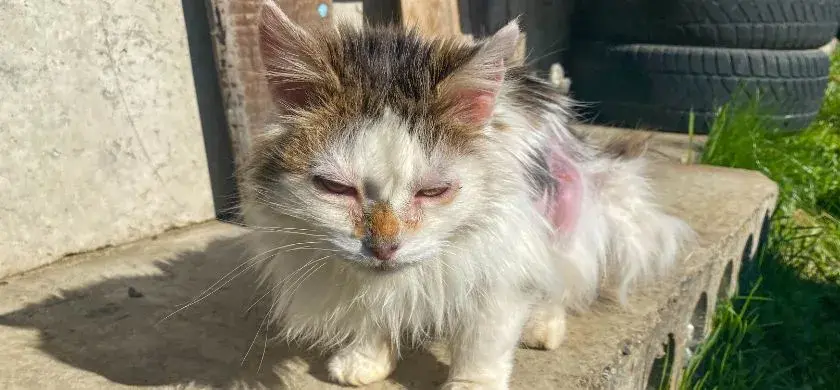
Cats are usually very proud groomers, so when their grooming habits change, it's worth paying attention. If your cat starts grooming less than usual, develops matted or greasy fur, over-grooms one specific area, or develops bald patches or irritated skin, it could be a sign that something isn't quite right. Changes in grooming habits can sometimes be linked to discomfort, stress, pain, or underlying health issues, making them an important clue when trying to tell if your cat is sick.
6. Vocalization Patterns
Unusual vocalizations, such as excessive meowing, hissing, or changes in tone, can be a way your cat communicates discomfort.
7. Breathing and Respiratory Issues
Monitor your cat's breathing patterns. Rapid or labored breathing may indicate respiratory problems. Check for sneezing, coughing, or nasal discharge, which could be signs of an underlying issue.
What To Do If Your Cat Is Sick
As devoted cat “paw-rents”, it can be distressing to witness our feline friends under the weather. Recognizing the subtle signs of your cat being sick is the first step in providing timely and effective care. The next step is caring for your sick cat at home:
-
Begin by consulting a vet to proactively identify the cause and follow their guidance.
-
Ensure your cat stays well-hydrated to prevent kidney problems by providing plenty of water.
-
Create a cozy spot in a quiet area, consider using a Door Buddy for added privacy.
-
For immobile cats, rotate their position every two hours to prevent discomfort.
-
Alleviate stress by grooming your cat and making sure you know how to groom your cat.
-
Vigilantly monitor your cat's well-being and keep a record of their health status.
FAQs About Cat Health
When To See A Vet Immediately
While some changes can be mild, others should never be ignored.
Contact your vet right away if your cat:
-
Is struggling to breathe
-
Hasn’t eaten for 24 hours or more
-
Cannot urinate or is straining
-
Has seizures or collapses
-
Is repeatedly vomiting
Conclusion: How To Tell If Your Cat Is Sick
Being attuned to your cat's behavior and health is a vital aspect of responsible “paw-rent”. By looking out for signs that your cat is sick, you can proactively address your cat's health needs and figure out when your cat is sick.
If something feels “off,” even slightly, trust your instincts. As “paw-rents”, we’re often the first line of care for our furbabies.
And when in doubt, your vet is always your best next step.
FIND THE BEST DOOR BUDDY FOR YOUR HOME
Tired of playing door referee? Door Buddy gives you an easy way to control access in your home, from curious cats to energetic dogs to busy little humans. Find the right fit below and take back control of your space.
WHAT’S ON THE BLOG
Tips, tricks, and stories for happier, healthier cats and homes. Explore our latest articles below.

Subscribe to be the first to hear about our exclusive offers and latest arrivals.
INFORMATION
COMPANY
GET IN TOUCH
Copyright © 2026 | All rights reserved @Door Buddy

Your Privacy Rights
At The Door Buddy, your privacy matters. You have full control over how your personal data is collected and used.
Opt out of sale & sharing
You have the right to opt out of the sale or sharing of your personal information for targeted advertising.
Right to correct & delete
You may request corrections or deletion of inaccurate personal information we hold about you.
Do Not Sell / Targeted Advertising
We may share browsing data with advertising partners. Toggle off to opt out across all our ad platforms.
Targeted advertising Active
Allows personalised ads based on your activity on The Door Buddy store and across the web.
Meta / Facebook Pixel
Used for retargeting campaigns and conversion tracking via Meta Ads Manager.
Google Ads & remarketing
Enables conversion tracking and personalised ads across Google's network.
Sensitive Personal Information
We do not currently store sensitive personal data such as health or financial information.
Precise location
Used to estimate shipping times and show local delivery options.
Browsing & purchase history
Used to personalise your experience including product recommendations.
Cookie Preferences
Manage which cookies are stored on your device.
Strictly necessary Always on
Required for checkout, cart, login, and security.
Analytics & performance
Help us understand how visitors navigate the store (e.g. Google Analytics).
Marketing & advertising
Used to deliver relevant ads and measure campaign performance.
Functional
Enhance your experience with features like live chat and wishlists.
Access, Correct & Delete Your Data
Submit a request below — we aim to respond within 30 days as required by law.
Request a data report
Receive a full summary of personal data we hold about you.
Correct my data
Ask us to update or fix inaccurate personal information we hold.
Delete my account & data
Request permanent deletion, subject to legal retention requirements.