
50,000+ HAPPY CUSTOMERS

What to Do if Your Cat's Not Using the Litter Box
By: Door Buddy Editors | Published: April 9, 2025
Check for a Medical Cause First
Before anything else, rule out a health problem. Cats don't avoid the litter box for attention. They avoid it because something hurts, and the box has become the place where it hurts most.
Conditions linked to litter box avoidance include:
-
Feline lower urinary tract disease (FLUTD)
-
Bacterial cystitis
-
Kidney disease
-
Diabetes
-
Arthritis or other mobility issues that make climbing into the box painful
Call your vet right away if you notice any of these:
-
Frequent trips to the box with little or no output
-
Straining
-
Crying while urinating
-
Blood in the urine
These are signs your cat might be sick, not signs of a behavior problem. Treat them as urgent, not wait-and-see. For a broader look at cat behavior issues and when they need treatment, the ASPCA's guide to common cat behavior issues is a solid starting point.
Litter Box Setup Mistakes That Push Cats Away
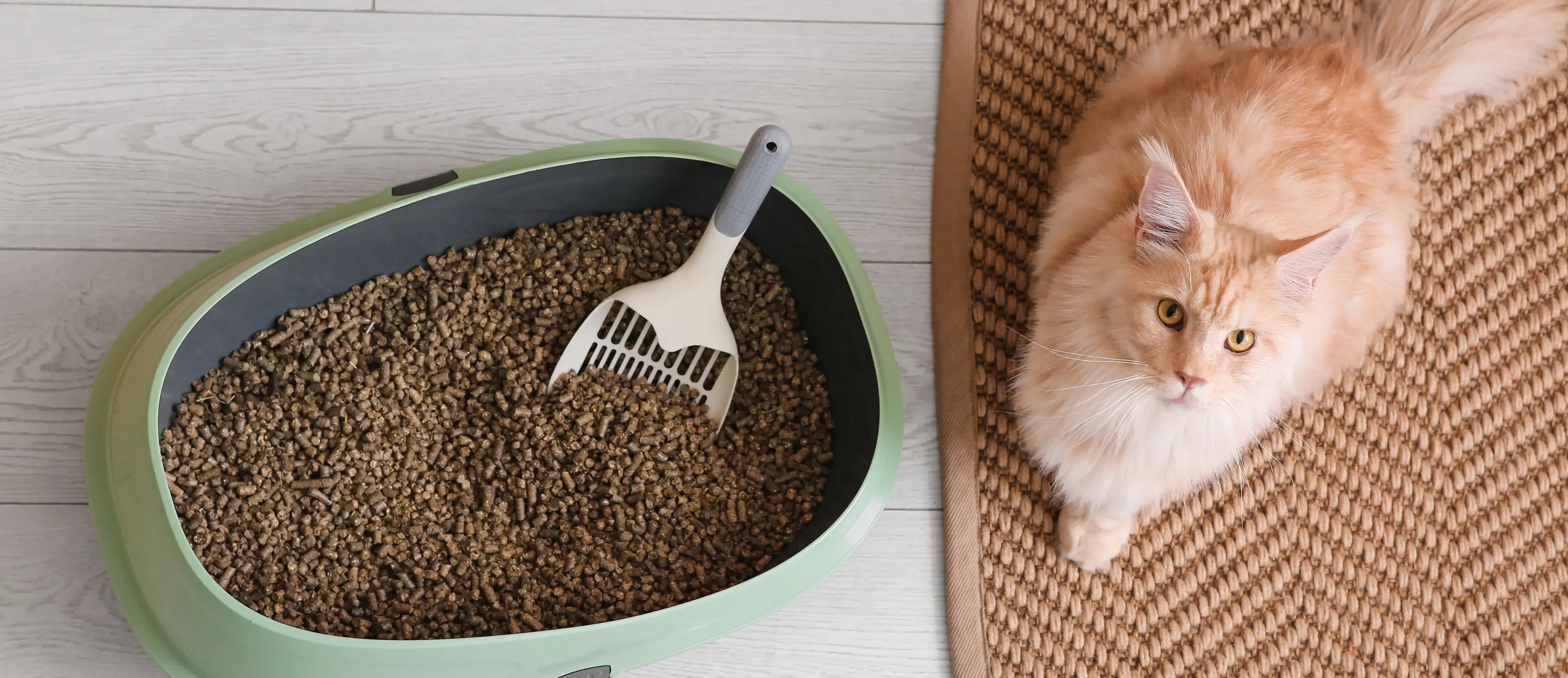
Once a vet visit rules out a medical cause, the setup itself is the next place to look. Cats are specific about this, and small mistakes add up.

Litter Type and Texture
Cats can reject a litter over scent, texture, or dust — even one they used to like. If you've switched brands recently, reverse that before troubleshooting anything else. Glo Litter is a low-dust, low-scent option worth trying if a cat seems picky about texture.
Box Size, Cleanliness, and Placement
Get these right, and most litter box problems disappear on their own:
-
Do scoop daily. A dirty box is the single most common reason cats look elsewhere.
-
Do provide 1 litter box per cat, plus 1 extra.
-
Do keep boxes in different areas of the house in a multi-cat home.
-
Do pick a box big enough for your cat to turn around in comfortably.
-
Don't place boxes near food or water — cats won't use a bathroom next to their kitchen.
-
Don't tuck the box somewhere loud, high-traffic, or hard to reach.
Why Is My Cat Not Using the Litter Box Suddenly?
A cat who used the box fine last month and won't touch it now is usually reacting to a change, not developing a new personality. Common triggers include moving to a new home, a new pet or houseguest, rearranged furniture, or a new baby in the household. Cats read routine as safety. Anything that disrupts it can show up as a litter box problem within days.
The fix is patience plus consistency:
-
Keep the box in the same spot.
-
Keep the rest of the routine as normal as possible.
-
Give your cat a few weeks to settle before assuming something's wrong with the box itself.
How to Keep the Dog Out of the Litter Box
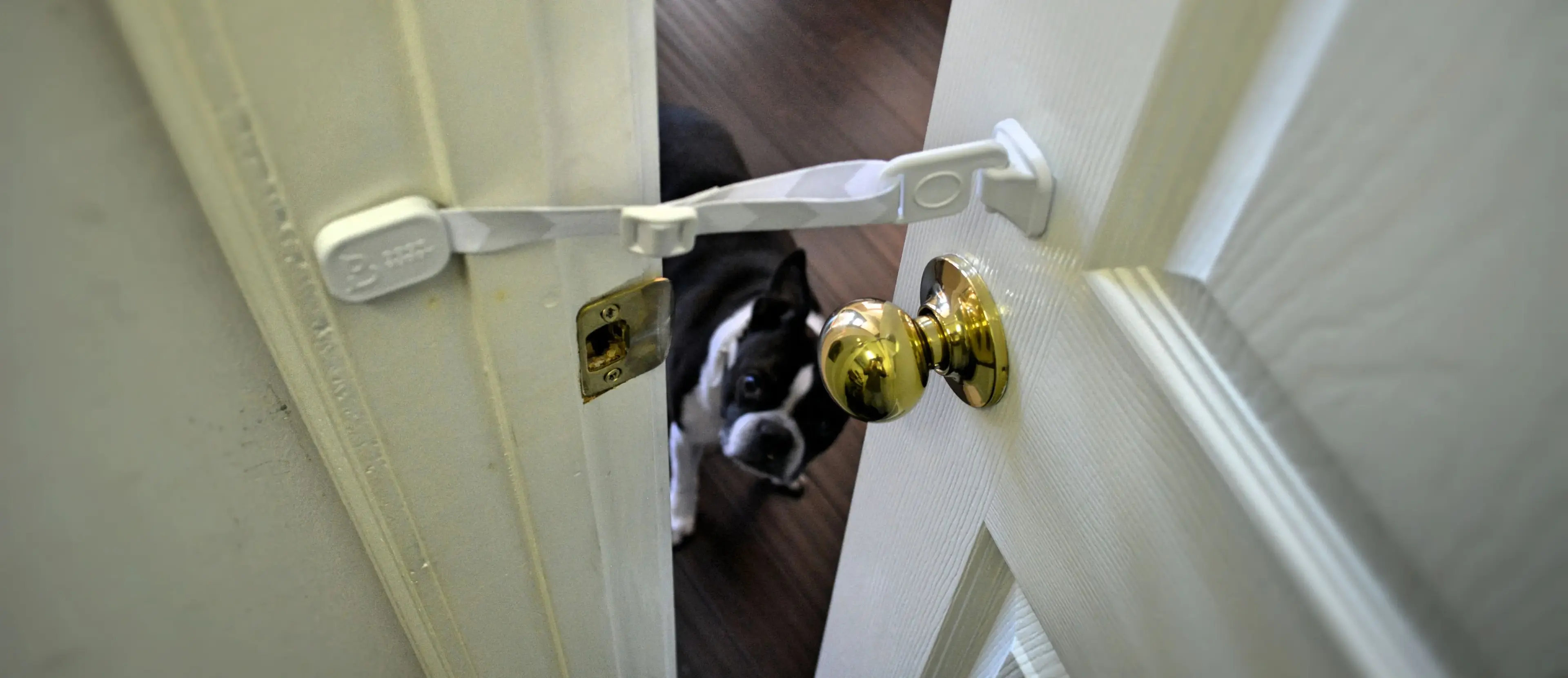
Here's the cause most litter box articles skip: the box is working fine, but the dog won't leave it alone. If your cat's avoiding it — or you're just tired of finding the box raided — a new dog or puppy in the house is usually why.
This is one of the most common reasons cats stop using the litter box. It's not a training problem you can solve by asking nicely. Dogs are drawn to the litter box. Most cats won't use a box a dog has just been in. One Door Buddy customer put it simply after their dog kept getting into the closet where the box lived: "This thing seriously changed our lives! Our dog would constantly be getting into the litter box in the closet and we could NOT think of a way to solve the problem." Another called it "one of those 'why didn't I think of this!?' inventions."
Door Buddy is the original no-cut cat door alternative, assembled in the USA. It holds any interior door open just enough for your cat to get through. Not enough for your dog.
-
No holes. No permanent modifications. Installs in minutes.
-
The Door Strap is tool-free and adhesive — the right choice for an average-sized dog.
-
For a large or persistent dog, the Cat Door Prop is the stronger option. It reuses your door frame's existing strike-plate holes with a screwdriver and the included Torx wrench. No new marks, no drilling.
Over 1 million Door Buddy products have been sold, backed by 50,000+ positive reviews and a 90-Day Money-Back Guarantee. Shop the Door Buddy and give your cat its litter box back.
Litter Box Solutions by Life Stage
Kittens Not Using the Litter Box
A new kitten not using the litter box is usually about the setup, not the age. Kittens do best with unscented, non-clumping litter and a box low enough to climb into easily. Litter training is instinctive. Most kittens figure it out on their own once the box is accessible and clean.
Senior Cats
A senior cat not using the litter box is often dealing with arthritis, not defiance. Switch to a low-sided box so climbing in doesn't hurt, and keep it on the same floor your cat spends the most time on.
Multi-Cat Homes
Cats can be territorial about litter boxes the same way they are about food. Multiple boxes in separate locations reduce the tension that causes one cat to guard — or avoid — a shared box.
Reading Your Cat's Stress Signals
Litter box avoidance is often the first visible sign of stress, not the only one. Watch for hiding more than usual, sudden aggression, over-grooming, or a drop in appetite alongside the litter box issue. Together, these point to stress rather than a dirty box or a medical problem. A vet visit is still worth ruling that out first.
Does Diet Affect Litter Box Habits?
Diet shapes stool consistency and hydration. Both affect how comfortable — and how often — litter box trips are for your cat. A sudden food change can cause loose stool or straining that makes a cat associate the box with discomfort. If you're switching foods, do it gradually over 1 to 2 weeks.
Frequently Asked Questions
The Bottom Line
Most litter box problems come down to 4 things: a health issue, the setup, stress, or another pet getting in the way. Rule out the vet visit first. Fix what you can in the box. And if the real problem has 4 legs and a wagging tail, Door Buddy handles the rest.
FIND THE BEST DOOR BUDDY FOR YOUR HOME
Tired of playing door referee? Door Buddy gives you an easy way to control access in your home, from curious cats to energetic dogs to busy little humans. Find the right fit below and take back control of your space.
WHAT’S ON THE BLOG
Tips, tricks, and stories for happier, healthier cats and homes. Explore our latest articles below.

Subscribe to be the first to hear about our exclusive offers and latest arrivals.
INFORMATION
COMPANY
GET IN TOUCH
Copyright © 2026 | All rights reserved @Door Buddy

Your Privacy Rights
At The Door Buddy, your privacy matters. You have full control over how your personal data is collected and used.
Opt out of sale & sharing
You have the right to opt out of the sale or sharing of your personal information for targeted advertising.
Right to correct & delete
You may request corrections or deletion of inaccurate personal information we hold about you.
Do Not Sell / Targeted Advertising
We may share browsing data with advertising partners. Toggle off to opt out across all our ad platforms.
Targeted advertising Active
Allows personalised ads based on your activity on The Door Buddy store and across the web.
Meta / Facebook Pixel
Used for retargeting campaigns and conversion tracking via Meta Ads Manager.
Google Ads & remarketing
Enables conversion tracking and personalised ads across Google's network.
Sensitive Personal Information
We do not currently store sensitive personal data such as health or financial information.
Precise location
Used to estimate shipping times and show local delivery options.
Browsing & purchase history
Used to personalise your experience including product recommendations.
Cookie Preferences
Manage which cookies are stored on your device.
Strictly necessary Always on
Required for checkout, cart, login, and security.
Analytics & performance
Help us understand how visitors navigate the store (e.g. Google Analytics).
Marketing & advertising
Used to deliver relevant ads and measure campaign performance.
Functional
Enhance your experience with features like live chat and wishlists.
Access, Correct & Delete Your Data
Submit a request below — we aim to respond within 30 days as required by law.
Request a data report
Receive a full summary of personal data we hold about you.
Correct my data
Ask us to update or fix inaccurate personal information we hold.
Delete my account & data
Request permanent deletion, subject to legal retention requirements.