
50,000+ HAPPY CUSTOMERS

10 Common Things That Are Poisonous to Dogs and Cats
(Plus Signs of Pet Poisoning)
By: Door Buddy Editors | Published: August 8, 2026

Signs Your Dog or Cat May Have Been Poisoned
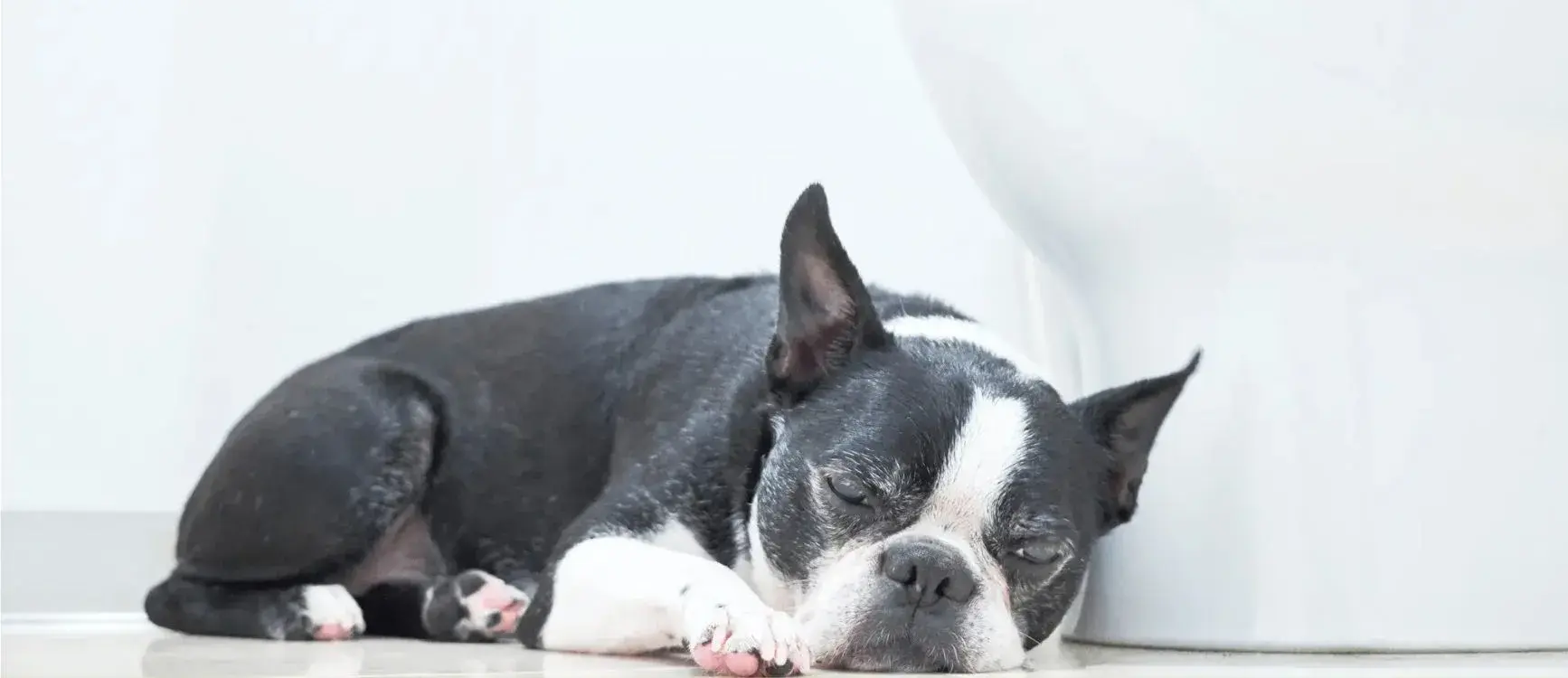
Our furry friends can't tell us when something is wrong, which is why it's important to know the warning signs of pet poisoning.
Symptoms can vary depending on what your pet has come into contact with, but some of the most common red flags include:
-
Vomiting
-
Diarrhea
-
Excessive drooling
-
Loss of appetite
-
Weakness or lethargy
-
Tremors
-
Seizures
-
Difficulty breathing
-
Loss of coordination
If your dog or cat is showing any of these symptoms and you suspect they may have gotten into something toxic, don't wait to see if things improve on their own. Contact your veterinarian or an emergency animal hospital right away. When it comes to pet poisoning, acting quickly can make all the difference.
Poison hotline for pets: 888-426-4435

Quick Guide: Common Household Hazards for Pets
| Household Item | Risk to Dogs | Risk to Cats |
|---|---|---|
| Cleaning Products | High | High |
| Pest Repellents | High | High |
| Batteries | High | High |
| Fertilizer | Moderate–High | Moderate |
| Antifreeze | Extremely High | Extremely High |
| Laundry Detergent | High | High |
| Medications | High | High |
| Toys | Choking Hazard | Choking Hazard |
| De-Icers | Moderate | Moderate |
| Cat Litter | Can Be Harmful | N/A |
10 Common Household Items That Are Poisonous to Dogs and Cats
1. Cleaning Products
A clean home is a happy home!.. Or is it? Common household cleaners like bleach, window cleaner, and bathroom cleaner can be poisonous when ingested by your cat or dog. The problem is that these items are often left at the bottom of cabinets or in low-lying storage, which our pets can easily get to.
So, what is a pet parent supposed to do? We recommend finding a natural, pet-friendly alternative. Not only does this reduce the risk of common toxins for cats and dogs, but it is also better for the environment. Double win!
2. Pest Repellent
No one wants a home full of rodents or pesky insects. On the other hand, no one wants a sick pooch or kitty either.
Unfortunately, we can’t always avoid a much-needed fumigation, and this may leave many of us at a loss.
The first step is removing your pet from your home before fumigation begins. Second, read up on the side effects of the repellents used and how long they will last in your home. Only bring your pet home once it’s totally safe.
3. Batteries
Parents with children will already know about the dangers batteries pose. If one of these suckers are swallowed, it could leak battery acid and cause massive damage to your pet’s digestive system. On top of that, they can be a serious choking hazard.
4. Fertilizer
Although fertilizer may not be the most pleasing smell to us, it can be particularly appetizing to our pooches. If pets ingest fertilizer, the chemicals can cause liver and kidney damage.
Should you need to give your garden a sprucing, we recommend finding a pet-friendly fertilizer. If this isn’t possible, try taking extra care and keep your pet far away from the garden for a while.
5. Antifreeze
Antifreeze contains ethylene glycol, a sweet-tasting chemical that many dogs are unfortunately attracted to. Even a small amount can lead to kidney failure and may be fatal if treatment isn't started quickly. Always clean up spills immediately and store containers in locked cabinets or garages.

6. Laundry Detergents
Who doesn’t love fresh-smelling clothes? On the downside, they can cause ulcers and may be fatal for your cat and dog should they ingest them.
This is also another household cleaner that’s often stored in easily accessible areas. We recommend moving this to higher places or locking it away in cabinets.
7. Pharmaceuticals
Both human and pet medications can cause major damage to your pets. Even if it has been prescribed to your pet in the past, it may have the opposite effect now.
The incorrect use of pharmaceuticals can lead to liver damage and other fatal side effects. Remember, never give your pet medication that wasn’t directly prescribed to them or has expired.
8. Toys
Toys can be major choking hazards for our awesome pets. If you have small tots running around, make sure that their toys are always cleaned up and kept out of our pets’ paws. A small piece of Lego or a dangling piece of ribbon can cause a lot of damage when ingested.
9. De-Icers
De-icers can be poison for pets. Although this can be extremely helpful during the winter months, it can easily get on our pets’ paws and be ingested. Make sure to use with caution.
10. Kitty Litter
Now, this one is more for the cat litter box burglars out there. Come on, you know the ones!
So, what's the story with dogs eating cat poop?
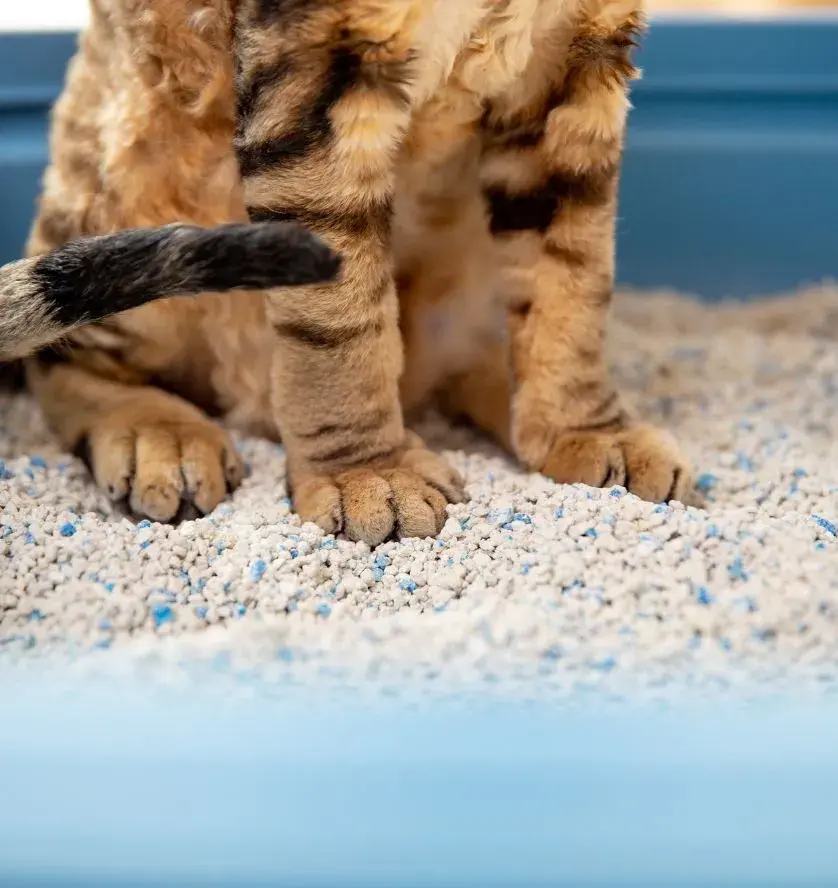
While cat poop can expose dogs to bacteria and parasites, the bigger concern is often the litter itself. Certain litters, especially clumping varieties, can expand if swallowed and may lead to stomach upset or even digestive blockages. It's also important for cat parents to be aware of toxoplasmosis, a parasite that can be spread through infected cat feces.
If you have a dog who treats the litter box like an all-you-can-eat buffet, keeping them away from the litter box area is one of the best ways to help keep them safe. Creating a cat-only space can make a big difference and gives your feline friend a little extra privacy, too.
Poisonous Houseplants For Dogs And Cats
Poisonous houseplants for dogs and cats is such an important topic, that it deserves its own section in our quick guide.
Being a plant parent is almost as much of an honor as being a pet parent! However, the two don’t always live harmoniously.
Here are the poisonous houseplants for cats and dogs you need to know:
-
Aloe Vera
-
Devil’s Ivy
-
Chinese Evergreen
-
Tomato Plant
-
Chives
-
Chrysanthemum
-
Dracaena
-
Asparagus Fern
-
Mother-In-Law’s Tongue
-
Peace Lily
-
Rubber Tree Plant
-
Hydrangea
-
Cyclamen
Our best tip for keeping your pets away from plants is to spray citrus on them! The scent will keep your furry friends at bay.
Some common flowers and houseplants can be surprisingly dangerous for pets. Before bringing a new plant into your home, always check whether it's safe for cats and dogs.
What Food Is Poisonous For Dogs And Cats?
In our list of common pet toxins, you didn't think we'd leave off food, did you? Food can be a tricky one because many everyday ingredients that seem perfectly harmless to us can be surprisingly dangerous for our furry friends.
Here are some of the most common foods that can be problematic for dogs and cats:
-
Chocolate
-
Coffee
-
Grapes and raisins
-
Macadamia nuts
-
Onions
-
Garlic
-
Alcohol
-
Avocados
-
Cooked chicken bones
-
Raw meat
The risks can range from upset tummies and choking hazards to much more serious health issues. That's why it's always best to keep these foods well out of paw's reach.
Want the full scoop? Check out our guide to Human Foods That Are Toxic To Dogs And Cats, where we take a closer look at the foods every pet parent should know about and the warning signs to watch for.
How to Keep Your Pets Safe From Household Poisons
Now that we've covered the red flags of what's poisonous to pets, how do we keep our pets safe? We'd like to introduce you to Door Buddy.
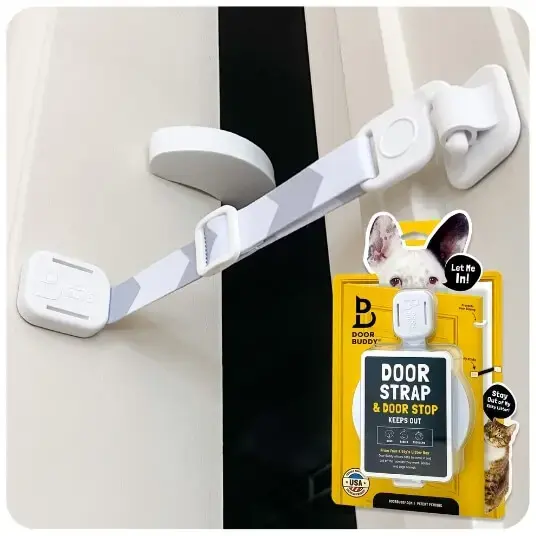
Door Buddy is a family of simple, damage-free products that keep pets out of the rooms you'd rather they stay out of — the ones where cleaning supplies, medications, or toxic plants live — while still giving your cat the space and freedom to reach their litter box, food, and water whenever they want. We invented the no-cut cat door category in 2015, and everything we make is assembled in the USA.
Two of our products are a great fit for pet-proofing a hazard room:
-
Adjustable Door Strap with Door Stopper — a tool-free strap that holds a door open just a cat-sized crack. It installs in seconds with adhesive (no holes, no hardware) and works one-handed, and it includes a Door Stopper that keeps the door from closing on your cat.
-
Cat Door Prop — perfect for a larger or more determined dog. It replaces your existing strike plate (reusing the existing screw holes) and holds the door securely in the propped position.
See the full line-up on our How Door Buddy Works page.
What To Do If Your Pet Eats Something Toxic
-
Stay calm.
-
Remove your pet's access to the item.
-
Determine what was eaten — and roughly how much, if you can.
-
Contact your veterinarian or the ASPCA Animal Poison Control Center at (888) 426-4435 immediately.
-
Follow the instructions they give you.
-
Never induce vomiting unless a vet specifically tells you to.
Frequently Asked Questions
Conclusion: Keeping Your Pets Safe From Common Household Hazards
There you have it! Now you know exactly what food is poisonous for dogs and cats, which common household items to avoid, and how you can protect your pet.
Most importantly, if your pet has eaten, inhaled, or come into contact with something potentially toxic, contact your veterinarian right away. When it comes to pet poisoning, acting quickly can make all the difference.
By understanding the most common household hazards and taking simple pet-proofing measures, you can help keep your furry family members safe, healthy, and out of trouble.
FIND THE BEST DOOR BUDDY FOR YOUR HOME
Tired of playing door referee? Door Buddy gives you an easy way to control access in your home, from curious cats to energetic dogs to busy little humans. Find the right fit below and take back control of your space.
FIND THE BEST DOOR BUDDY FOR YOUR HOME
Tired of playing door referee? Door Buddy gives you an easy way to control access in your home, from curious cats to energetic dogs to busy little humans. Find the right fit below and take back control of your space.
WHAT’S ON THE BLOG
Tips, tricks, and stories for happier, healthier cats and homes. Explore our latest articles below.

Subscribe to be the first to hear about our exclusive offers and latest arrivals.
INFORMATION
COMPANY
GET IN TOUCH
Copyright © 2026 | All rights reserved @Door Buddy

Your Privacy Rights
At The Door Buddy, your privacy matters. You have full control over how your personal data is collected and used.
Opt out of sale & sharing
You have the right to opt out of the sale or sharing of your personal information for targeted advertising.
Right to correct & delete
You may request corrections or deletion of inaccurate personal information we hold about you.
Do Not Sell / Targeted Advertising
We may share browsing data with advertising partners. Toggle off to opt out across all our ad platforms.
Targeted advertising Active
Allows personalised ads based on your activity on The Door Buddy store and across the web.
Meta / Facebook Pixel
Used for retargeting campaigns and conversion tracking via Meta Ads Manager.
Google Ads & remarketing
Enables conversion tracking and personalised ads across Google's network.
Sensitive Personal Information
We do not currently store sensitive personal data such as health or financial information.
Precise location
Used to estimate shipping times and show local delivery options.
Browsing & purchase history
Used to personalise your experience including product recommendations.
Cookie Preferences
Manage which cookies are stored on your device.
Strictly necessary Always on
Required for checkout, cart, login, and security.
Analytics & performance
Help us understand how visitors navigate the store (e.g. Google Analytics).
Marketing & advertising
Used to deliver relevant ads and measure campaign performance.
Functional
Enhance your experience with features like live chat and wishlists.
Access, Correct & Delete Your Data
Submit a request below — we aim to respond within 30 days as required by law.
Request a data report
Receive a full summary of personal data we hold about you.
Correct my data
Ask us to update or fix inaccurate personal information we hold.
Delete my account & data
Request permanent deletion, subject to legal retention requirements.