
50,000+ HAPPY CUSTOMERS

Caring For Cats: Real Cat Advice From
One Pet Parent To Another
By: Door Buddy Editors | Published: 5 November 2025
1. Creating A Cat-friendly Environment
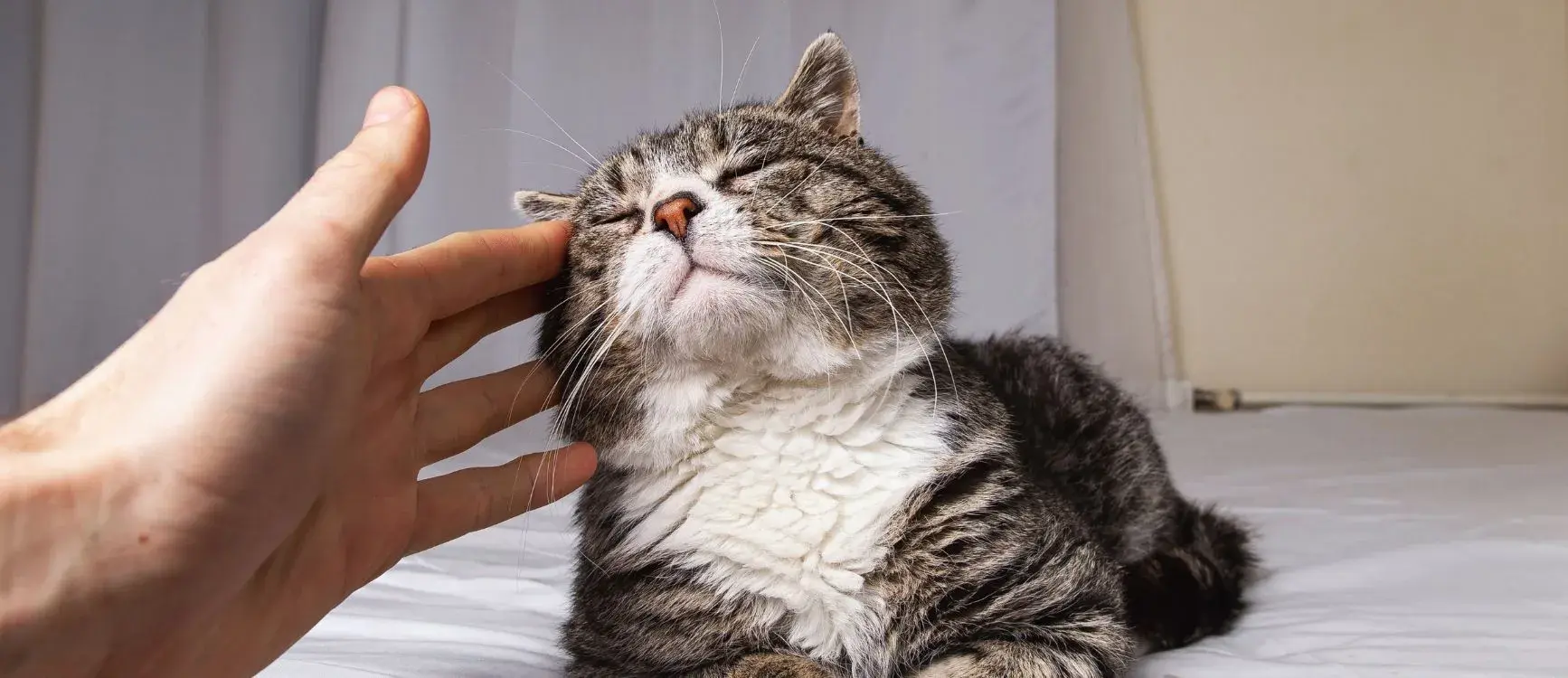
Cats are explorers by nature. Building a cat-friendly environment doesn’t mean buying every toy at the pet store, it’s about creating a space that feels safe and engaging.
When your cat first arrives, start with a single “safe space.” Add cosy blankets, hiding spots, and easy access to food and water. Gradually let them explore more rooms once they’re comfortable.
Cat-proof your home by tucking away cords, removing toxic plants, installing Door Buddy, and checking that windows are secure. If you’ve ever wondered how much space does a cat need, the answer is less about square footage and more about stimulation.
Think vertical, scratching posts, cat trees, and climbing shelves are perfect for both exercise and confidence-building. Cats love to perch high and observe their world (and you) like little furry philosophers.
Pro tip: If you’ve ever struggled with cat furniture and cats, give them a designated scratching spot early on. It saves both your couch and your sanity.
2. Feeding And Nutrition: Finding What Works

Ah, the great cat food debate: wet or dry? Tuna or chicken? The truth is, every cat is unique, and part of your journey will be finding what works best for them.
Cat wet food can help with hydration, especially for cats who don’t drink much water. Dry kibble, on the other hand, is great for convenience and dental health. Mixing both can give you the best of both worlds.
Transition between foods slowly to avoid stomach upsets, and always make sure fresh water is available. Fountains can make drinking more fun and natural for your cat.
Above all, don’t stress if your cat turns up their nose at dinner. Advice for cats (and cat parents) is simple: stay patient, and listen to their preferences; they’ll tell you what works.
Curious about what’s best for your cat’s diet? Check out our blog on pet nutrition, it’s packed with tips from one cat parent to another.
3. The Litter Box Lowdown
If you’ve dealt with litter box issues, you’re not alone. Every cat parent faces it at some point. The golden rule? One litter box per cat, plus one extra.
Place boxes in quiet, accessible areas, not next to noisy appliances or in tight corners. Experiment with litter types to find what your cat likes best. Some prefer natural textures, while others like clumping clay.
Clean daily (your cat will thank you), and if litter box issues with cats pop up suddenly, it could be their way of saying something’s wrong, whether it’s stress, territory, or a health issue.

4. Understanding Cat Behavior
Cats have their own mysterious way of communicating, and learning to “read” cats’ body language is a game changer. A flicking tail can mean irritation, while slow blinks usually mean trust.
If your cat hides, don’t panic, sometimes they just need a moment. It’s important to give your cat space and let them come to you.
If you notice cat boredom, it might be time to switch up playtime. Rotate toys, add a puzzle feeder, or teach your cat a fun trick like sitting or high-fiving (yes, even older cats can learn!). Play keeps their mind sharp and your bond strong.

5. Building Trust And Bonding
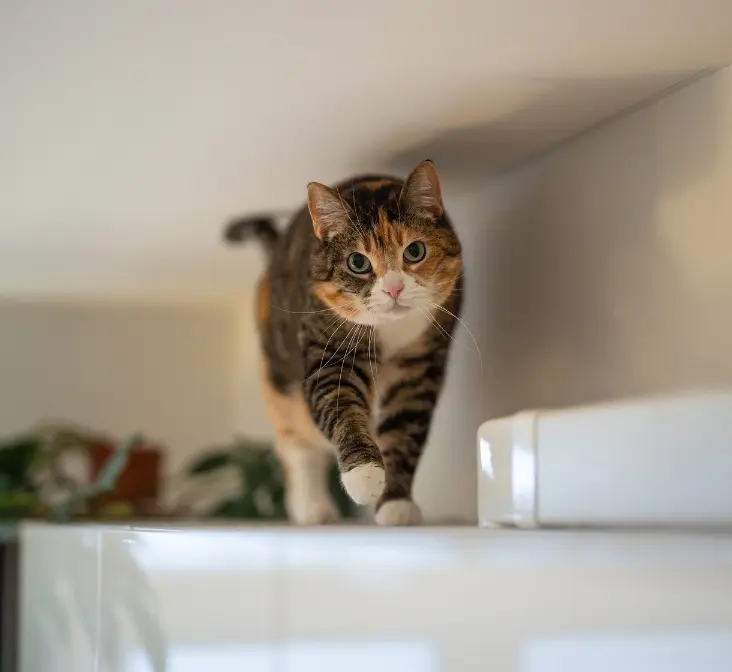
When it comes to building trust, slow and steady wins the race. Especially with shy rescues, your patience is everything.
Speak softly, establish routines, and offer affection on their terms. Cats value independence but also crave consistency. Over time, your cat will show affection in small, meaningful ways, such as a gentle nudge, a quiet purr, or choosing to sleep beside you.
If you’re new to pet parenthood, here’s advice for new cat owners: love your cat as they are, not as you expect them to be. And if you’re wondering whether two cats are better than one, the answer depends on your cat’s personality, some thrive on companionship, while others prefer to reign solo.
6. Health And Vet Advice (in Plain Language)
I’ll be honest: cat vet advice can sound intimidating at first. But once you build a relationship with a good vet, it becomes second nature.
Routine checkups, vaccinations, and flea prevention are the foundation of good cat health advice. Discuss cat neutering early on, it’s not just about preventing kittens, but also reducing unwanted behaviors and health risks.
Pay attention to small changes in your cat’s appetite or behavior. They’re masters at hiding discomfort, so trust your instincts if something feels off.
7. What Not To Do: Common Mistakes Cat Parents Make
We’ve all made missteps along the way. Here are a few I learned the hard way, shared with empathy, not judgment.
-
Declawing the cat is never okay. It’s painful and can cause long-term harm. Instead, offer scratching posts and gentle training.
-
Don’t ignore sudden changes in behavior or litter habits - they’re clues.
-
Never punish a cat for scratching or hiding; it’s instinct, not defiance.
-
And don’t forget playtime! Skipping it leads straight to cat boredom and even stress.
The best cat advice I’ve ever received? Cats don’t need us to be perfect, they just need us to be present.
Conclusion: Caring For Cats - Real Advice From One Pet Parent To Another
Everyone makes mistakes, sure, but each one has taught me something about patience, empathy, and unconditional love.
Caring for cats isn’t about control; it’s about connection. Observe them, learn from them, and celebrate the tiny moments, from the first purr to the midnight zoomies.
So tell me: what’s the best advice for cats (or cat parents) you’ve ever received? I’d love to hear your stories, from one cat lover to another.
FIND THE BEST DOOR BUDDY FOR YOUR HOME
Tired of playing door referee? Door Buddy gives you an easy way to control access in your home, from curious cats to energetic dogs to busy little humans. Find the right fit below and take back control of your space.
WHAT’S ON THE BLOG
Tips, tricks, and stories for happier, healthier cats and homes. Explore our latest articles below.

Subscribe to be the first to hear about our exclusive offers and latest arrivals.
INFORMATION
COMPANY
GET IN TOUCH
Copyright © 2026 | All rights reserved @Door Buddy

Your Privacy Rights
At The Door Buddy, your privacy matters. You have full control over how your personal data is collected and used.
Opt out of sale & sharing
You have the right to opt out of the sale or sharing of your personal information for targeted advertising.
Right to correct & delete
You may request corrections or deletion of inaccurate personal information we hold about you.
Do Not Sell / Targeted Advertising
We may share browsing data with advertising partners. Toggle off to opt out across all our ad platforms.
Targeted advertising Active
Allows personalised ads based on your activity on The Door Buddy store and across the web.
Meta / Facebook Pixel
Used for retargeting campaigns and conversion tracking via Meta Ads Manager.
Google Ads & remarketing
Enables conversion tracking and personalised ads across Google's network.
Sensitive Personal Information
We do not currently store sensitive personal data such as health or financial information.
Precise location
Used to estimate shipping times and show local delivery options.
Browsing & purchase history
Used to personalise your experience including product recommendations.
Cookie Preferences
Manage which cookies are stored on your device.
Strictly necessary Always on
Required for checkout, cart, login, and security.
Analytics & performance
Help us understand how visitors navigate the store (e.g. Google Analytics).
Marketing & advertising
Used to deliver relevant ads and measure campaign performance.
Functional
Enhance your experience with features like live chat and wishlists.
Access, Correct & Delete Your Data
Submit a request below — we aim to respond within 30 days as required by law.
Request a data report
Receive a full summary of personal data we hold about you.
Correct my data
Ask us to update or fix inaccurate personal information we hold.
Delete my account & data
Request permanent deletion, subject to legal retention requirements.