
50,000+ HAPPY CUSTOMERS

Toxoplasmosis In Cats -
All You Need To Know
By: Door Buddy Editors | Published: February 11, 2026

Quick Facts About Toxoplasmosis
-
Toxoplasmosis is caused by a microscopic cat parasite called Toxoplasma gondii
-
Feline toxoplasmosis is common worldwide, but most infections cause mild or no illness
-
Humans most often get toxoplasmosis from undercooked meat or unwashed produce, not directly from cats
-
Healthy adults and children usually show no symptoms
-
The highest risk groups are pregnant people and those with weakened immune systems
-
Good hygiene and litter box management greatly reduce risk

What Is Toxoplasmosis?

So, what is toxoplasmosis in cats exactly?
Toxoplasmosis is an infection caused by a microscopic parasite called Toxoplasma gondii cats are a natural host for the parasite, which is why the disease is often associated with felines.
Cats typically become infected by:
-
Eating raw or undercooked meat
-
Hunting infected prey outdoors
Once infected, a cat with toxoplasmosis will usually carry the parasite for life. However, in most healthy cats, the parasite becomes dormant and causes no ongoing health problems.
How Does Toxoplasmosis Spread?
Many people believe toxoplasmosis only comes from cats, but this is a common misconception.
The most common transmission routes include:
-
Eating undercooked or raw meat
-
Eating unwashed fruits and vegetables
-
Drinking contaminated water
-
Handling soil (gardening or sandboxes)
-
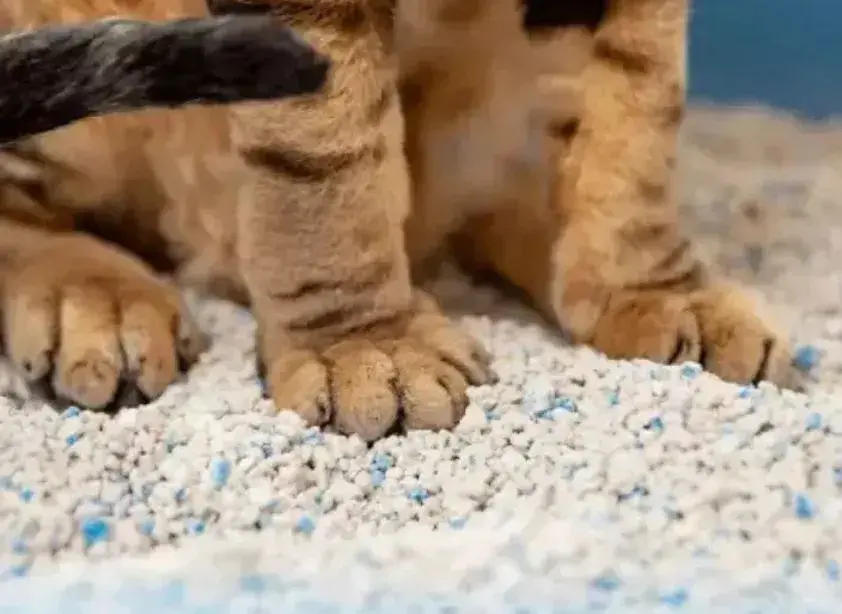
Contact with cat feces that has sat for 1–5 days
Important to know:
Fresh cat feces are not immediately infectious. The parasite needs time to become dangerous, which means daily litter box cleaning significantly reduces risk.
The Real Risk From Cats
Another important clarification: cats do not continuously spread toxoplasmosis.
-
Most cats shed the parasite only once
-
Shedding usually lasts 3–10 days after their first exposure
-
Indoor cats that don’t hunt or eat raw meat are very unlikely to shed the parasite
This makes well-cared-for indoor cats a low-risk source for most households.
Signs And Symptoms Of Toxoplasmosis

Most cats show no symptoms, but when illness does occur, recognizing cat toxoplasmosis symptoms early is critical.
Toxoplasmosis Symptoms for Cats:
-
Fever
-
Weight loss
-
Lethargy
-
Loss of appetite
-
Jaundice
-
Eye inflammation
-
Muscle pain
Neurological Signs of Toxoplasmosis in Cats
In more serious cases, especially in kittens or immunocompromised cats, neurological signs of toxoplasmosis in cats may appear:
-
Tremors
-
Seizures
-
Loss of coordination
Kitten Toxoplasmosis Symptoms
Kitten toxoplasmosis symptoms may be more severe and progress faster, making prompt veterinary care essential.
If you notice any signs and symptoms of toxoplasmosis in cats, contact your veterinarian immediately.
Symptoms in Humans
Most healthy people experience no symptoms at all. When symptoms do occur, they often feel similar to the flu:
-
Body aches
-
Swollen lymph nodes
-
Headaches
-
Fever
-
Fatigue

Toxoplasmosis And Pregnancy
The following information does not replace medical advice. If you’re pregnant or planning to become pregnant, always consult your healthcare provider.
-
If you were infected before pregnancy, your baby is usually protected by immunity
-
The chance of getting toxoplasmosis for the first time during pregnancy is low
-
Even if infection occurs during pregnancy, transmission to the baby is estimated at 10–15%
Most babies exposed during pregnancy show no symptoms at birth, though some may develop vision or neurological complications later in life.
If you’re concerned, your doctor or midwife can:
-
Perform a blood test to detect infection
-
Recommend additional testing or monitoring if needed
How To Prevent Toxoplasmosis
Reduce Infection Risk in Cats
-
Keep cats indoors whenever possible
-
Never feed cats raw or undercooked meat
-
Prevent hunting and scavenging
-
Schedule regular veterinary checkups
Reduce Transmission to Humans
-
Scoop the litter box daily
-
Wear gloves when handling litter or soil
-
Wash hands thoroughly after litter box cleaning or gardening
-
Wash fruits and vegetables before eating
-
Cook the meat until fully done
Extra Precautions for Pregnancy & Young Children
-
Have someone else clean the litter box during pregnancy
-
Keep litter boxes inaccessible to babies and toddlers
-
Cover outdoor sandboxes and play areas
-
Wash hands before feeding or holding your child
Toxoplasmosis: Is Your Child At Risk?
For most healthy children, toxoplasmosis is rarely serious and often causes no symptoms at all.
Children at higher risk include:
-
Babies exposed before birth
-
Children with weakened immune systems
When symptoms occur, they may include:
-
Fever
-
Sore throat
-
Swollen lymph glands
-
Headaches
-
Muscle aches
Severe cases are uncommon but can affect the eyes or brain, particularly in immunocompromised children.

Toxoplasmosis In Cats Treatment Options

Will Toxoplasmosis Go Away?
Many pet owners ask, will toxoplasmosis go away? In healthy cats, the infection often becomes inactive and causes no long-term issues, but treatment is still important when symptoms appear.
Treatment for Toxoplasmosis in Cats
Toxoplasmosis in cats treatment typically includes:
-
Prescription antibiotics (commonly clindamycin)
-
Supportive care (fluids, nutritional support)
-
Treatment of secondary infections if present
Early diagnosis improves outcomes, especially for cats showing neurological symptoms.
Toxoplasmosis In Dogs
Yes, toxoplasmosis is generally associated with cats, however, dogs can get it too! This is why we’re always going on about how to keep the dog out of the litter box.
The problem is that because our kitty cats are primary carriers for the parasite, when our doggies go nosing into the litter box, they can easily inhale or ingest contaminated soil.
Other causes of toxoplasmosis in dogs include:
-
Ingesting contaminated raw meat
-
Drinking water with the parasite in it
-
Ingesting infected soil
Toxoplasmosis Symptoms in Dogs:
-
Fever
-
Weight loss
-
Lethargy
-
Loss of appetite
-
Jaundice
-
Inflammation of the eye
-
Tremors or seizures
-
Muscle pain
The symptoms of toxoplasmosis in dogs are similar to cats. If you spot any of the following symptoms, make sure to take your pooch to the vet.
Keeping Children & Pets Out Of The Litter Box

Before your baby starts crawling or your toddler begins exploring, it’s important to plan where the litter box is located and how access will be restricted.
Baby gates can help, but they’re often inconvenient — especially for rooms that need frequent access. Closing doors isn’t ideal either, since cats hate closed doors.
Door Buddy offers a simple solution.
The Door Buddy door latch keeps doors open just wide enough for cats to pass through, while blocking babies, toddlers, and dogs from accessing the litter box.
When To See A Doctor Or Vet
Contact your doctor if you or your child experiences concerning toxoplasmosis symptoms, especially if immunity is compromised.
If your cat shows signs of illness, prompt veterinary care is essential for effective treatment for toxoplasmosis in cats.
Common Myths About Feline Toxoplasmosis
Myth: All cats spread toxoplasmosis
Fact: Most indoor cats never shed infectious parasites.
Myth: Toxoplasmosis spreads through cat fur
Fact: Transmission occurs through ingestion, not contact.
Conclusion: Toxoplasmosis In Cats
So, there you have it - everything you need to know about toxoplasmosis in cats. Again, if you notice any toxoplasmosis symptoms, you should take your pet to the vet or book an appointment with your doctor.
Even though Toxoplasmosis in cats is a real and scary disease, the infection rarely causes problems in healthy babies, toddlers, or children.
“Fur-tunately”, by taking just a few precautionary measures, you can greatly minimize the risks and therefore allow your child to enjoy the companionship and friendship that your favorite feline provides.
Read more about how to introduce cats and babies to achieve a “purrrfect” relationship.
FIND THE BEST DOOR BUDDY FOR YOUR HOME
Tired of playing door referee? Door Buddy gives you an easy way to control access in your home, from curious cats to energetic dogs to busy little humans. Find the right fit below and take back control of your space.
WHAT’S ON THE BLOG
Tips, tricks, and stories for happier, healthier cats and homes. Explore our latest articles below.

Subscribe to be the first to hear about our exclusive offers and latest arrivals.
INFORMATION
COMPANY
GET IN TOUCH
Copyright © 2026 | All rights reserved @Door Buddy

Your Privacy Rights
At The Door Buddy, your privacy matters. You have full control over how your personal data is collected and used.
Opt out of sale & sharing
You have the right to opt out of the sale or sharing of your personal information for targeted advertising.
Right to correct & delete
You may request corrections or deletion of inaccurate personal information we hold about you.
Do Not Sell / Targeted Advertising
We may share browsing data with advertising partners. Toggle off to opt out across all our ad platforms.
Targeted advertising Active
Allows personalised ads based on your activity on The Door Buddy store and across the web.
Meta / Facebook Pixel
Used for retargeting campaigns and conversion tracking via Meta Ads Manager.
Google Ads & remarketing
Enables conversion tracking and personalised ads across Google's network.
Sensitive Personal Information
We do not currently store sensitive personal data such as health or financial information.
Precise location
Used to estimate shipping times and show local delivery options.
Browsing & purchase history
Used to personalise your experience including product recommendations.
Cookie Preferences
Manage which cookies are stored on your device.
Strictly necessary Always on
Required for checkout, cart, login, and security.
Analytics & performance
Help us understand how visitors navigate the store (e.g. Google Analytics).
Marketing & advertising
Used to deliver relevant ads and measure campaign performance.
Functional
Enhance your experience with features like live chat and wishlists.
Access, Correct & Delete Your Data
Submit a request below — we aim to respond within 30 days as required by law.
Request a data report
Receive a full summary of personal data we hold about you.
Correct my data
Ask us to update or fix inaccurate personal information we hold.
Delete my account & data
Request permanent deletion, subject to legal retention requirements.