
50,000+ HAPPY CUSTOMERS

Why Do Dogs Eat Cat Poop?
By: Door Buddy Editors | Published: January 27, 2026
What Is Coprophagia?
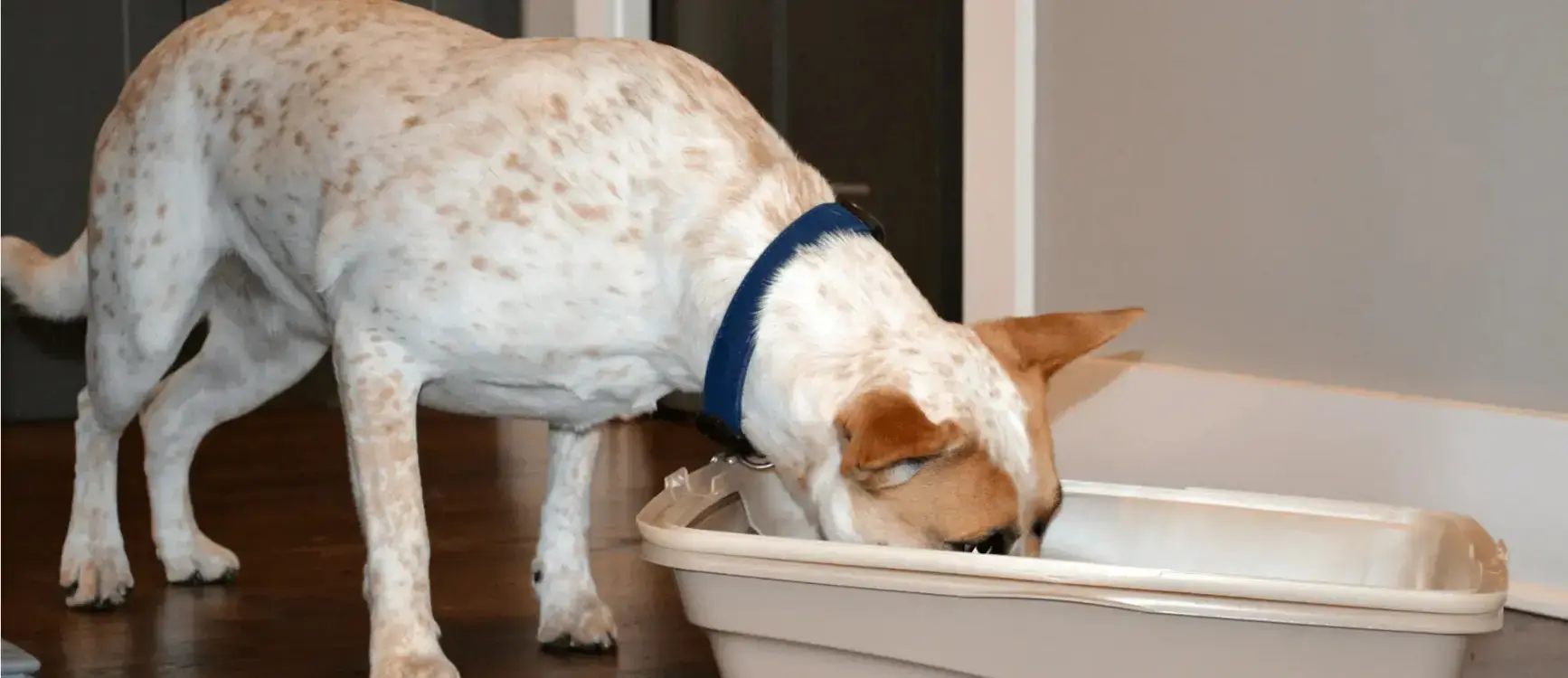
Yes, there’s an official word for this. Coprophagia is the scientific term for eating poop (glamorous, right?).
Veterinarians and animal behavior experts see it fairly often, especially in puppies, food-motivated breeds, and dogs who are bored, stressed, or missing something in their diet.
Why Is My Dog Eating Cat Poop?
Yes, there’s an official word for this. Coprophagia is the scientific term for eating poop (glamorous, right?).
Veterinarians and animal behavior experts see it fairly often, especially in puppies, food-motivated breeds, and dogs who are bored, stressed, or missing something in their diet.
1. Instinct & Scavenging Behavior
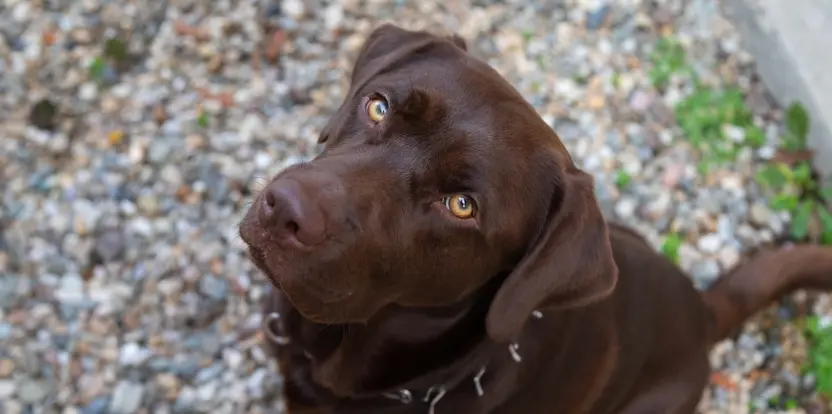
Dogs are natural scavengers. Long before cozy couches and kibble bowls existed, dogs survived by eating whatever smelled edible. From your dog’s point of view, cat poop isn’t “waste”… it’s leftovers.
This is one reason puppy eating cat poop is so common. Puppies explore the world with their mouths, unfortunately, that includes the litter box.
2. Why Cat Poop Smells Like Food to Dogs
Here’s the weird (but fascinating) part. Cats are obligate carnivores, meaning their diets are packed with protein and fat. Their digestive systems don’t fully break everything down, so cat poop still smells like food to dogs.
That explains why do dogs like to eat cat poop, and why dogs eat cat poop out of the litter box even when they’re not hungry. To your pup, it’s basically a protein-scented snack bar. (We know. Yuck.)
Some experts also believe dogs may be drawn to cat feces because of differences in gut bacteria. Basically, your dog may think they’re “supplementing” their diet… in the grossest way possible.
3. Behavioral Reasons
Sometimes, it’s not about hunger at all. Eating cat poop can become a habit, especially if your dog is:
-
Bored
-
Stressed or anxious
-
Under-stimulated
Once the habit forms, many pet parents find themselves saying, “My dog ate cat poop again. Why does this keep happening?”
4. Medical or Nutritional Causes
In some cases, there’s a health reason behind it. Nutritional deficiencies, parasites, digestive issues, or poorly balanced diets can all make dogs seek out “alternative” nutrient sources.
Senior dogs can also develop this habit suddenly due to cognitive changes, leaving owners wondering why would a dog eat cat poop now when they never did before.
Is It Dangerous For Dogs To Eat Cat Poop?
Short answer: it can be.
A very common question we hear is: Is cat poop toxic to dogs? While it’s not always poisonous, cat poop can make dogs sick.
Dogs that eat cat poop may be exposed to:
-
Parasites like roundworms and hookworms
-
Bacteria such as salmonella or E. coli
So yes, can dogs get sick from eating cat poop?
Unfortunately, yes. And a dog can get worms from eating cat poop, even if your cat seems perfectly healthy.
Occasional ingestion isn’t always an emergency, but repeated behavior should definitely be addressed.
What About Cat Litter?
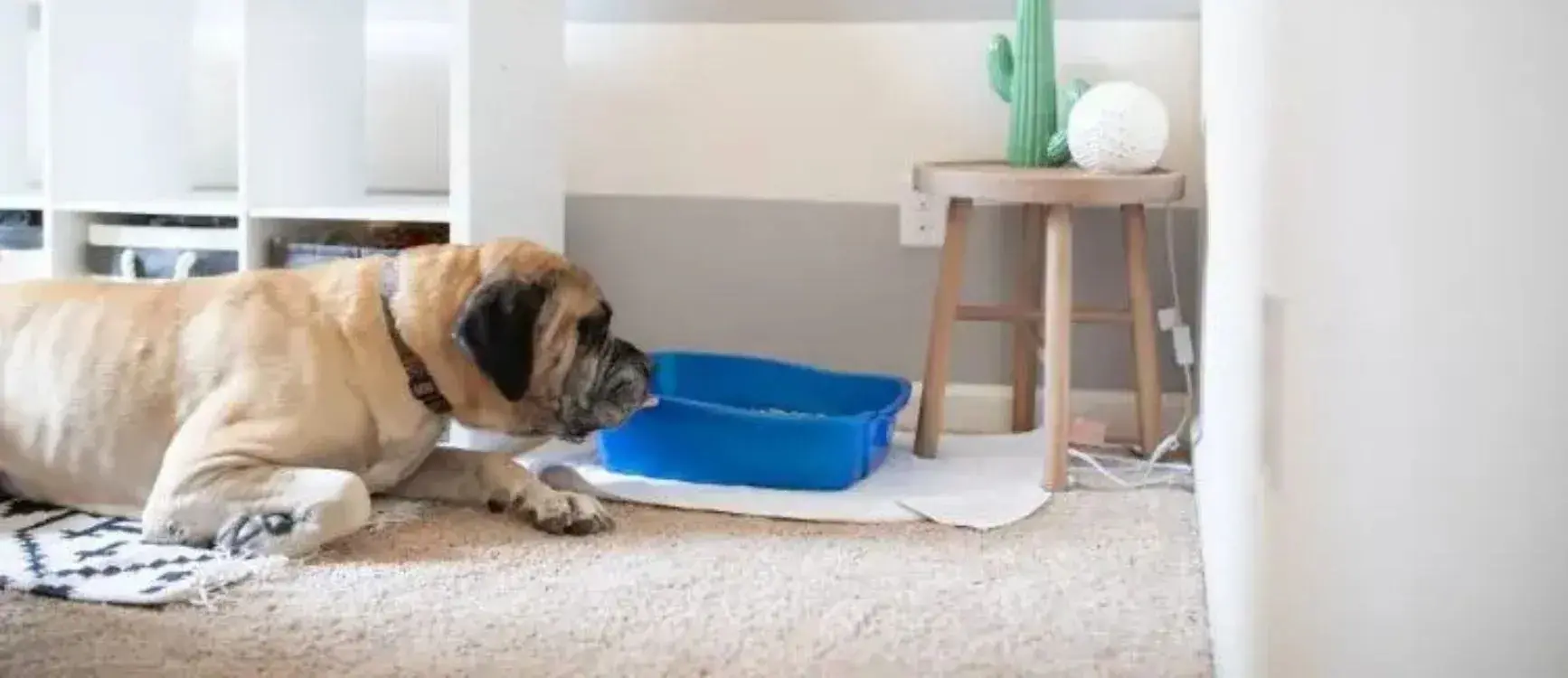
If your dog ate cat poop straight from the litter box, the litter itself can be just as concerning. Clumping and non-clumping litter can cause digestive irritation or blockages if swallowed.
If you’re thinking, “My dog ate cat poop, should I worry?” keep an eye out for symptoms and call your vet if anything seems off.
Does Dog-eating Cat Poop Affect My Cat?
Does it bother your cat to have the family dog eat her poop? You bet it does! Cats thrive on privacy and a sense of peace when using the litter box. Having the dog constantly coming and going can disrupt this sense of security and likely cause frustration. This can lead to tension between your pets, and your cat may even avoid the litter box altogether.
After all, how would you like it if someone kept interrupting your toilet time?
Which Dogs Can’t Resist The Lure Of The Litter Box?
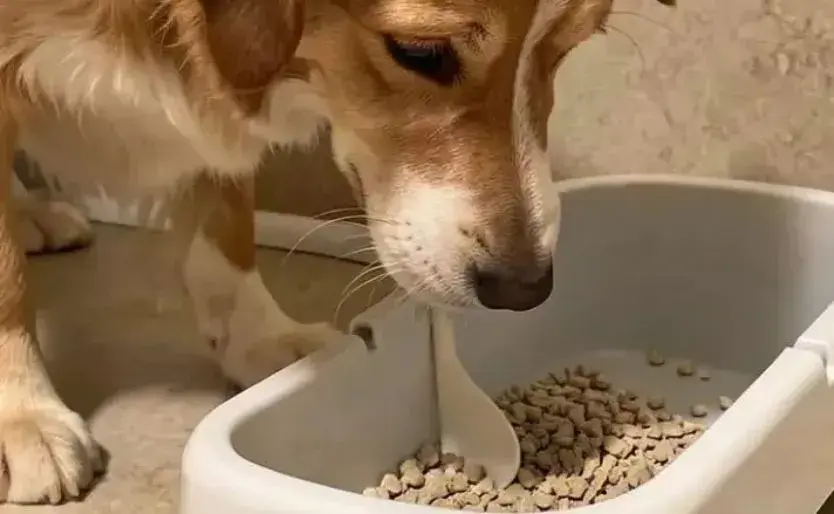
Let’s face it - some pups just can’t help themselves when it comes to sneaking “treats” from the litter box. Puppies and younger dogs are naturally curious little explorers who use their mouths to investigate everything (unfortunately, even cat poop!). Then you’ve got the chowhounds, like Labradors and Beagles, who see anything with a scent as a fair foodie game. Dogs dealing with dietary deficiencies or conditions like pica might also be more inclined to snack on things they shouldn’t.
Symptoms Of Dog Eating Cat Poop
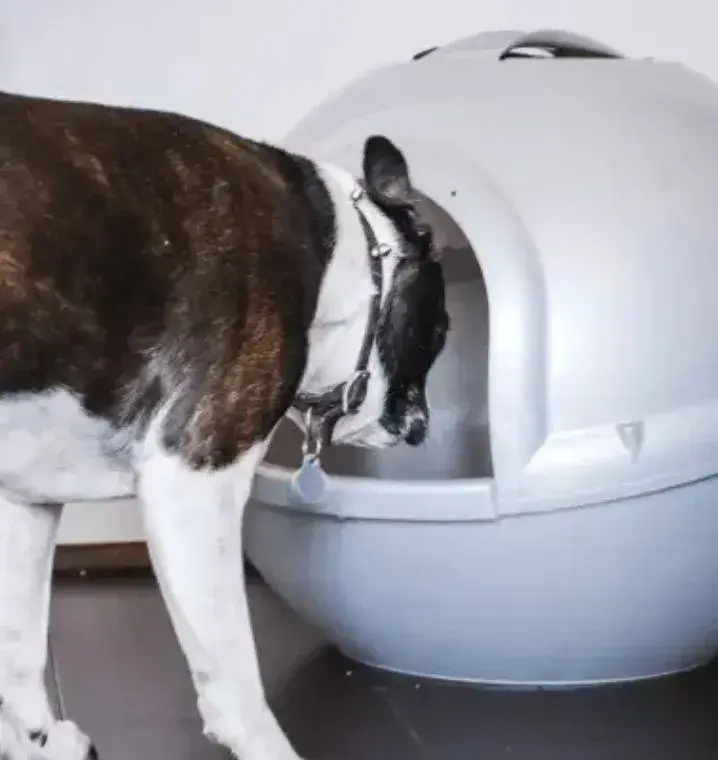
Uh-Oh! Signs Your Dog Might Have Eaten Cat Poop
If your dog has been snacking on “kitty nuggets,” here are a few telltale signs to watch for:
-
Tummy troubles: Vomiting or diarrhea might pop up if their stomach isn’t a fan of their questionable snack.
-
Bad breath: Let’s be honest, the smell will probably give them away before anything else!
-
Abdominal discomfort: Whining, pacing, or a bloated belly could mean the cat poop didn’t sit well.
-
Lethargy: A tired or sluggish pup might be dealing with a little digestive distress.
-
Decreased appetite: If they’re skipping meals or turning down treats, their “snack” might not be agreeing with them.
-
Parasite problems: Eating cat poop could expose your dog to parasites like worms, which may cause itching, weight loss, or other symptoms.
How Do I Stop My Dog Eating Cat Poop
So, your dog’s eating cat poop, and it’s harming their health, not to mention the fact that your cat’s feeling a little uneasy with the unwanted visitor! What can be done to stop this gross habit from happening and ensure a happy “fur-mily”? Keep reading to learn how to prevent your dog from eating cat feces and keep both your pets safe and happy!
-
Environment Management (Quick Wins): Move the litter box to dog-inaccessible areas and use baby gates or cat rooms or switch to a covered litter box
-
Boost with supplements: If your pup’s gross habit is linked to a nutrient deficiency (like vitamin B), vitamin or enzyme supplements might do the trick!
-
Dog-proof the litter box: Place it behind a baby gate or up high where only your cat can reach. Problem solved! For more tips, check out our blog on how to dog-proof the cat feeder.
-
Dietary changes: Introducing fiber, probiotics or ensuring proper nutrient intake can help reduce the urge to snack on cat poop. Consult your vet about potential dietary adjustments, and check out our blog here for a complete guide to feeding dogs.
-
Taste deterrents for poop: add a safe, vet-approved deterrent to your cat’s food that makes their feces taste unpleasant to your dog. These products don't affect your cat but can make your dog think twice about indulging.
-
Upgrade to a covered litter box: Keep those “kitty nuggets” out of sight and out of reach. (Psst… check out our top litter box picks here!)
-
Keep your pup busy: Bored dogs can be troublemakers! Fun toys and brain-teasing puzzles can keep their focus off the litter box buffet.
-
Training: training your dog to follow a “leave it” command can be incredibly effective, provided you see them in action. Positive reinforcement, paired with consistent practice, can teach your pup to stay away from the litter box for good.
-
Keep the litter box clean: Regularly scooping out the litter box not only keeps your cat happy but also reduces the chance of your dog sneaking in for a “snack”. A clean litter box is far less tempting for curious pups! For more insights, read our article on the dangers of a dirty litter box.
-
Use Door Buddy: Door Buddy is a clever and practical solution to keep your dog out of the litter box and away from cat poop! Simply attach it to the door leading to your cat’s litter area, and voilá - your cat gets exclusive access while your dog stays out. Door Buddy is affordable, easy to use, and makes the perfect gift for any pet-loving household. Give it a try, and you’ll have happier (and cleaner) dogs and cats in no time!
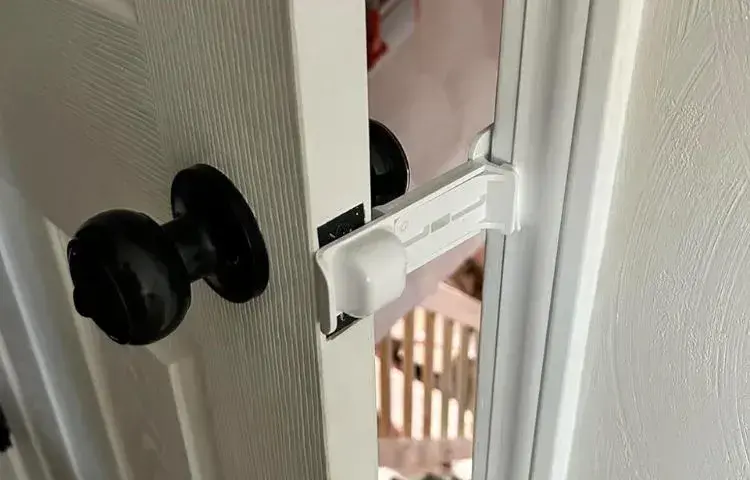
Door Buddy Door Prop For Cats
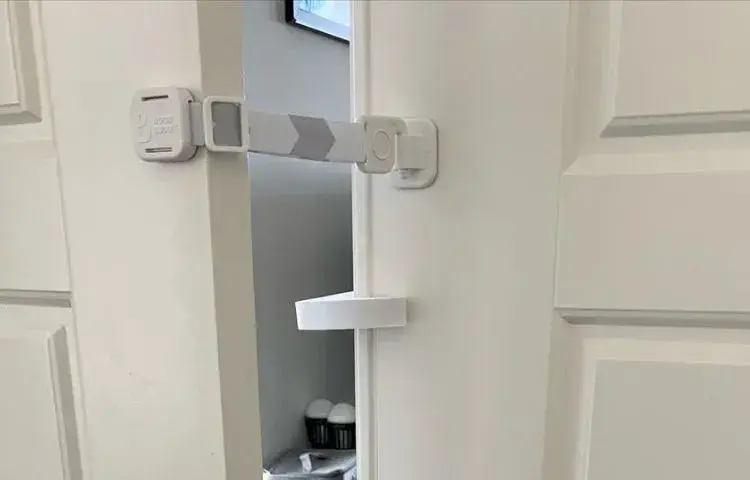
Door Buddy Door Strap & Door Stopper
When Should I See A Vet?
Give your vet a call if:
-
The behavior starts suddenly
-
Your dog has vomiting, diarrhea, or weight loss
-
Your dog seems constantly hungry
-
A senior dog develops this habit
-
You suspect parasites or nutritional deficiencies
Faqs: Dogs Eating Cat Poop
Conclusion: Why Do Dogs Eat Cat Poop
Dogs eat cat poop because it smells like food, taps into instinct, and sometimes turns into a habit, not because they’re trying to ruin your day (even if it feels personal).
If you keep thinking “my dog ate cat poop again,” it’s time for a plan: better management, more enrichment, a solid diet, and smart barriers like Door Buddy. And if you’re ever unsure, your vet is always the best partner in keeping your fur-mily happy and healthy.
FIND THE BEST DOOR BUDDY FOR YOUR HOME
Tired of playing door referee? Door Buddy gives you an easy way to control access in your home, from curious cats to energetic dogs to busy little humans. Find the right fit below and take back control of your space.
WHAT’S ON THE BLOG
Tips, tricks, and stories for happier, healthier cats and homes. Explore our latest articles below.

Subscribe to be the first to hear about our exclusive offers and latest arrivals.
INFORMATION
COMPANY
GET IN TOUCH
Copyright © 2026 | All rights reserved @Door Buddy

Your Privacy Rights
At The Door Buddy, your privacy matters. You have full control over how your personal data is collected and used.
Opt out of sale & sharing
You have the right to opt out of the sale or sharing of your personal information for targeted advertising.
Right to correct & delete
You may request corrections or deletion of inaccurate personal information we hold about you.
Do Not Sell / Targeted Advertising
We may share browsing data with advertising partners. Toggle off to opt out across all our ad platforms.
Targeted advertising Active
Allows personalised ads based on your activity on The Door Buddy store and across the web.
Meta / Facebook Pixel
Used for retargeting campaigns and conversion tracking via Meta Ads Manager.
Google Ads & remarketing
Enables conversion tracking and personalised ads across Google's network.
Sensitive Personal Information
We do not currently store sensitive personal data such as health or financial information.
Precise location
Used to estimate shipping times and show local delivery options.
Browsing & purchase history
Used to personalise your experience including product recommendations.
Cookie Preferences
Manage which cookies are stored on your device.
Strictly necessary Always on
Required for checkout, cart, login, and security.
Analytics & performance
Help us understand how visitors navigate the store (e.g. Google Analytics).
Marketing & advertising
Used to deliver relevant ads and measure campaign performance.
Functional
Enhance your experience with features like live chat and wishlists.
Access, Correct & Delete Your Data
Submit a request below — we aim to respond within 30 days as required by law.
Request a data report
Receive a full summary of personal data we hold about you.
Correct my data
Ask us to update or fix inaccurate personal information we hold.
Delete my account & data
Request permanent deletion, subject to legal retention requirements.