
50,000+ HAPPY CUSTOMERS

Cat Behavior And What It Means:
Common Actions Explained
By: Door Buddy Editors | Published: January 27, 2026

Why Cats Get The Zoomies
What it is:
Sudden bursts of high energy, often at night, commonly referred to as cat zoomies.
What it means:
Zoomies are usually linked to built-up energy, excitement, or your kitty’s natural cat hunting instinct. Even well-fed house cats still have deeply ingrained hunting behaviors. Want to learn more fun facts about cats? You’re not alone! Click here!
What you can do:
Increase daily play using interactive toys that mimic prey. Structured playtime supports healthy cat behavior and training, helping to reduce late-night zoomies and boredom.
Why Cats Chirp, Click, And Chatter
What it is:
Chirping, trilling, or jaw-clicking sounds directed at you or at birds outside.
What it means:
This form of vocalization is part of normal house cat behavior. Chirping often means “follow me,” while clicking reflects hunting frustration or excitement. It’s one of the cutest ways cats express themselves!
What you can do:
Respond calmly and provide enrichment like window perches or extra play. If vocalization becomes excessive, it may signal a cat behavior problem worth monitoring.
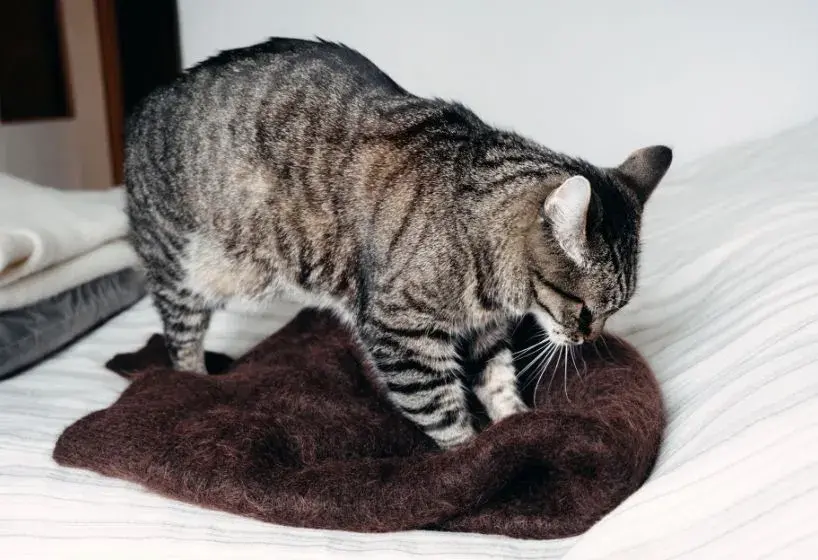
Why Cats Knead
What it is:
Rhythmic paw pressing on soft surfaces or people, commonly known as cat behavior kneading.
What it means:
Kneading is a comfort behavior tied to kittenhood and bonding. It can also be linked to territorial cat behavior, as cats release scent from their paws. It’s often a sign your cat feels safe and happy.
What you can do:
This behavior is normal. If kneading becomes intense or painful, use a barrier like a blanket and keep nails trimmed.
Why Cats Bite
What it is:
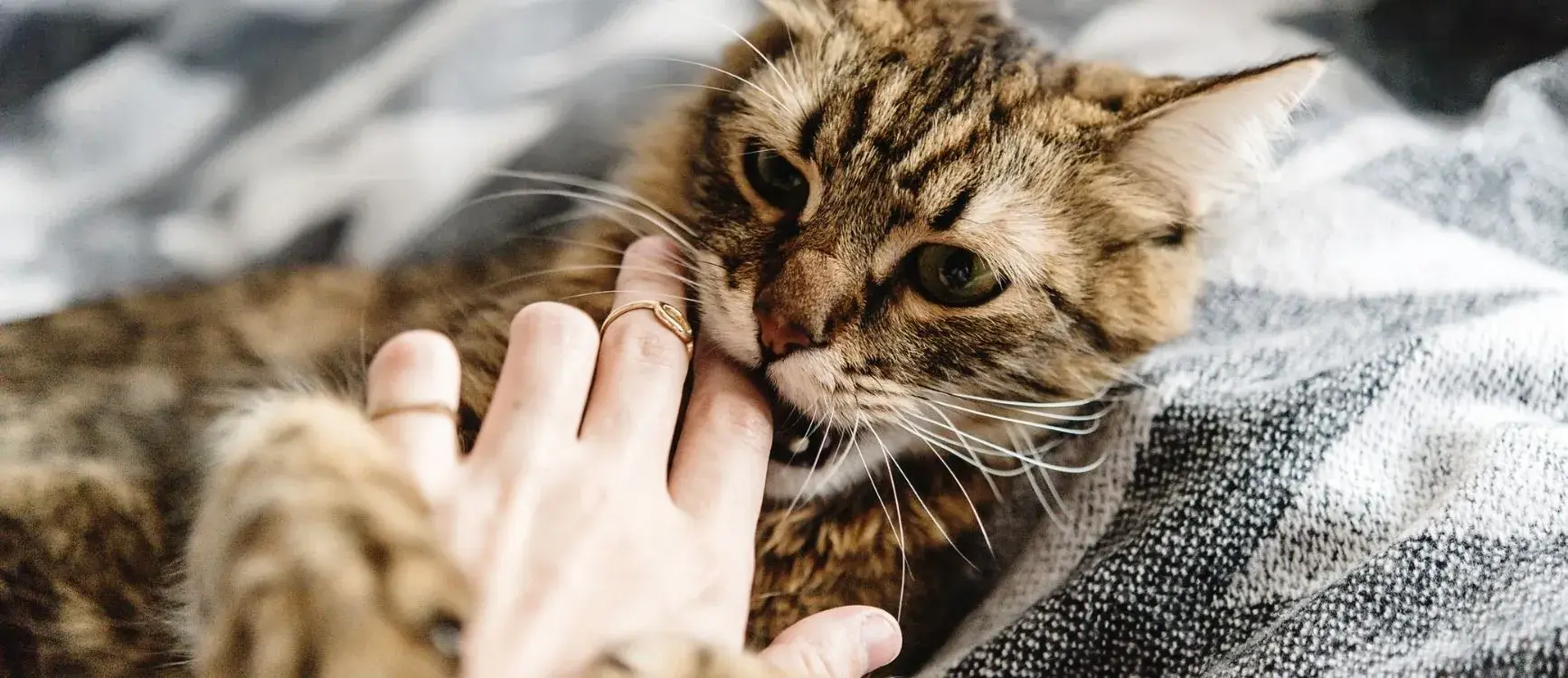
Biting during play or petting, ranging from gentle nips to harder bites.
What it means:
Cat behavior biting can indicate play, overstimulation, frustration, or poor boundaries learned early in life. Repeated hard bites may fall under aggressive cat behavior.
What you can do:
Avoid hand play and redirect to toys. Patience and consistency go a long way, clear boundaries and enrichment are key parts of effective cat behavior training.
Why Cats Knock Things Over
What it is:
Pushing objects off counters, shelves, or tables.
What it means:
This behavior is driven by curiosity, attention-seeking, and cause-and-effect learning. In some cases, it may also be linked to dominant cat behavior or boredom. Yes, it’s annoying, but it’s very “cat.”
What you can do:
Provide puzzle toys and mental stimulation. Avoid reacting strongly, as attention can reinforce the behavior.

Why Cats Excessively Meow
What it is:
Frequent or loud vocalising directed at humans.
What it means:
Cats meow primarily to communicate with people. Excessive meowing may relate to hunger, anxiety, aging, or environmental stress.
What you can do:
Rule out medical causes first. Then focus on routine, enrichment, and not reinforcing attention-seeking behavior. Your calm response matters.
Why Cats Hide
What it is:
Spending long periods under beds or in enclosed spaces.
What it means:
Hiding is often a stress response. Changes in routine, new pets, or loud environments can trigger anxiety-related cat behavior problems.
What you can do:
Provide safe spaces and vertical areas. Allow your cat to approach when ready rather than forcing interaction. Giving them space builds trust.
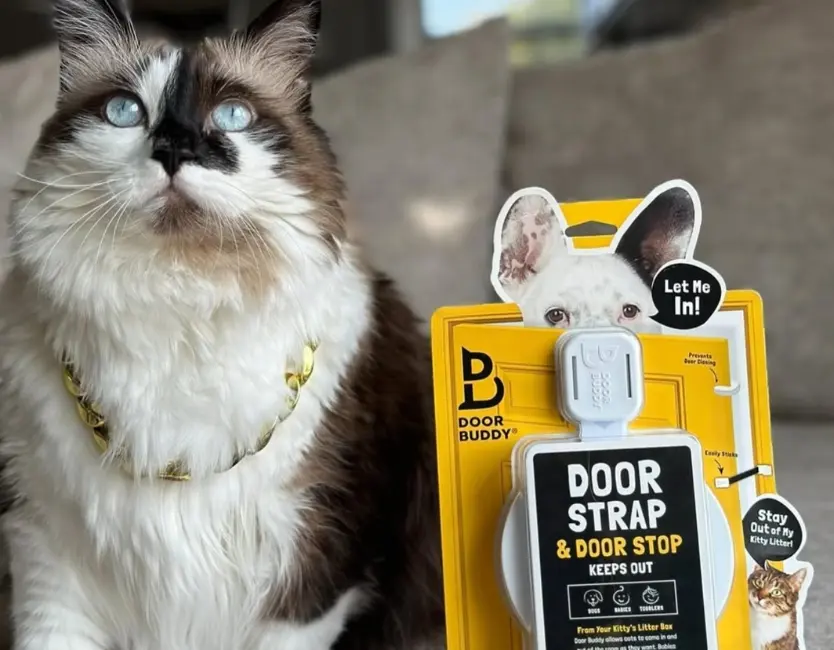
Door Buddy can help create a quiet, safe space for your cat while giving them the alone time they need to feel comfortable.
Normal Cat Behaviors Vs Signs Of A Problem
Normal
Scratching appropriate surfaces
Playful biting without injury
Occasional hiding or vocalising
Monitor
Increased aggression
Changes in litter habits
Excessive vocalization
Talk to a Vet or Cat Behavior Specialist
Persistent aggressive cat behavior
Cat behavior peeing outside the litter box
Sudden personality or routine changes
How Cat Behavior Changes With Age
Understanding cat behavior by age helps set realistic expectations.
Kittens:
High energy, biting, climbing, learning boundaries
Adult Cats:
Routine-driven behavior, territory awareness, and confidence
Senior Cats:
Increased vocalising, confusion, reduced tolerance for change
Conclusion: Cat Behavior And What It Means
Understanding your cat’s behavior doesn’t require complicated science, just observation, patience, and empathy. By learning more about cat behavior and what it means, you’ll gain insight into everyday actions and respond in ways that support your cat’s emotional well-being.
While this guide focuses on actions and habits, body language still plays a key role. For a deeper dive, explore our guide on understanding your cat’s body language to complement what you’ve learned here.
If behaviors become persistent or disruptive, working with a vet or cat behavior specialist can make a world of difference, for both you and your cat.
Want to learn more?
Read our blog on cat body language to continue building a stronger bond with your cat.
Here are some other blog articles that we think you may like too!
FIND THE BEST DOOR BUDDY FOR YOUR HOME
Tired of playing door referee? Door Buddy gives you an easy way to control access in your home, from curious cats to energetic dogs to busy little humans. Find the right fit below and take back control of your space.
WHAT’S ON THE BLOG
Tips, tricks, and stories for happier, healthier cats and homes. Explore our latest articles below.

Subscribe to be the first to hear about our exclusive offers and latest arrivals.
INFORMATION
COMPANY
GET IN TOUCH
Copyright © 2026 | All rights reserved @Door Buddy

Your Privacy Rights
At The Door Buddy, your privacy matters. You have full control over how your personal data is collected and used.
Opt out of sale & sharing
You have the right to opt out of the sale or sharing of your personal information for targeted advertising.
Right to correct & delete
You may request corrections or deletion of inaccurate personal information we hold about you.
Do Not Sell / Targeted Advertising
We may share browsing data with advertising partners. Toggle off to opt out across all our ad platforms.
Targeted advertising Active
Allows personalised ads based on your activity on The Door Buddy store and across the web.
Meta / Facebook Pixel
Used for retargeting campaigns and conversion tracking via Meta Ads Manager.
Google Ads & remarketing
Enables conversion tracking and personalised ads across Google's network.
Sensitive Personal Information
We do not currently store sensitive personal data such as health or financial information.
Precise location
Used to estimate shipping times and show local delivery options.
Browsing & purchase history
Used to personalise your experience including product recommendations.
Cookie Preferences
Manage which cookies are stored on your device.
Strictly necessary Always on
Required for checkout, cart, login, and security.
Analytics & performance
Help us understand how visitors navigate the store (e.g. Google Analytics).
Marketing & advertising
Used to deliver relevant ads and measure campaign performance.
Functional
Enhance your experience with features like live chat and wishlists.
Access, Correct & Delete Your Data
Submit a request below — we aim to respond within 30 days as required by law.
Request a data report
Receive a full summary of personal data we hold about you.
Correct my data
Ask us to update or fix inaccurate personal information we hold.
Delete my account & data
Request permanent deletion, subject to legal retention requirements.