
50,000+ HAPPY CUSTOMERS

Christmas Dog Anxiety: Signs, Causes, And Proven Ways
To Keep Your Dog Calm During The Holidays
By: Door Buddy Editors | Published: December 12, 2025
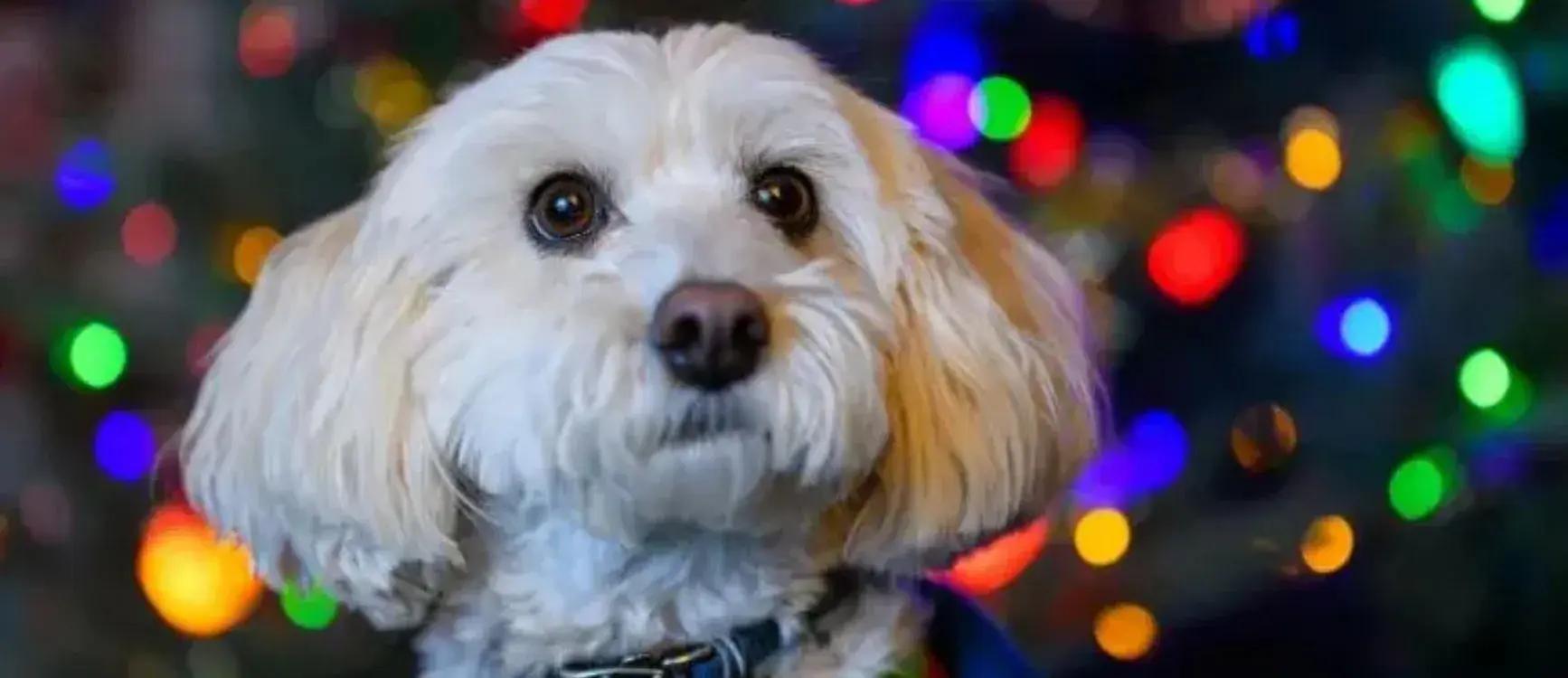
Why Christmas Can Be Stressful For Dogs

If the holidays feel chaotic to you, imagine experiencing them with four paws and supersized senses. What we consider festive fun, many dogs interpret as unpredictability, and unpredictability fuels dog anxiety.
Common Holiday Chaos That Affects Dogs
Your dog’s world is built on routine: consistent feeding, predictable walks, familiar smells, and a cozy home rhythm. But during December?
-
Guests pour in and out
-
Routines get tossed aside
-
Doorbells ring nonstop
-
Kids play loudly
-
Music gets turned up
-
Decorations suddenly appear
-
Suitcases come out
-
Humans become stressed (dogs sense this!)
These shifts can dramatically influence dog's mood, especially for sensitive dogs that already struggle with pet anxiety.
Many dog owners specifically notice holiday anxiety in dogs when the Christmas décor goes up or when the house becomes crowded, something that happens with millions of holiday pets every season.
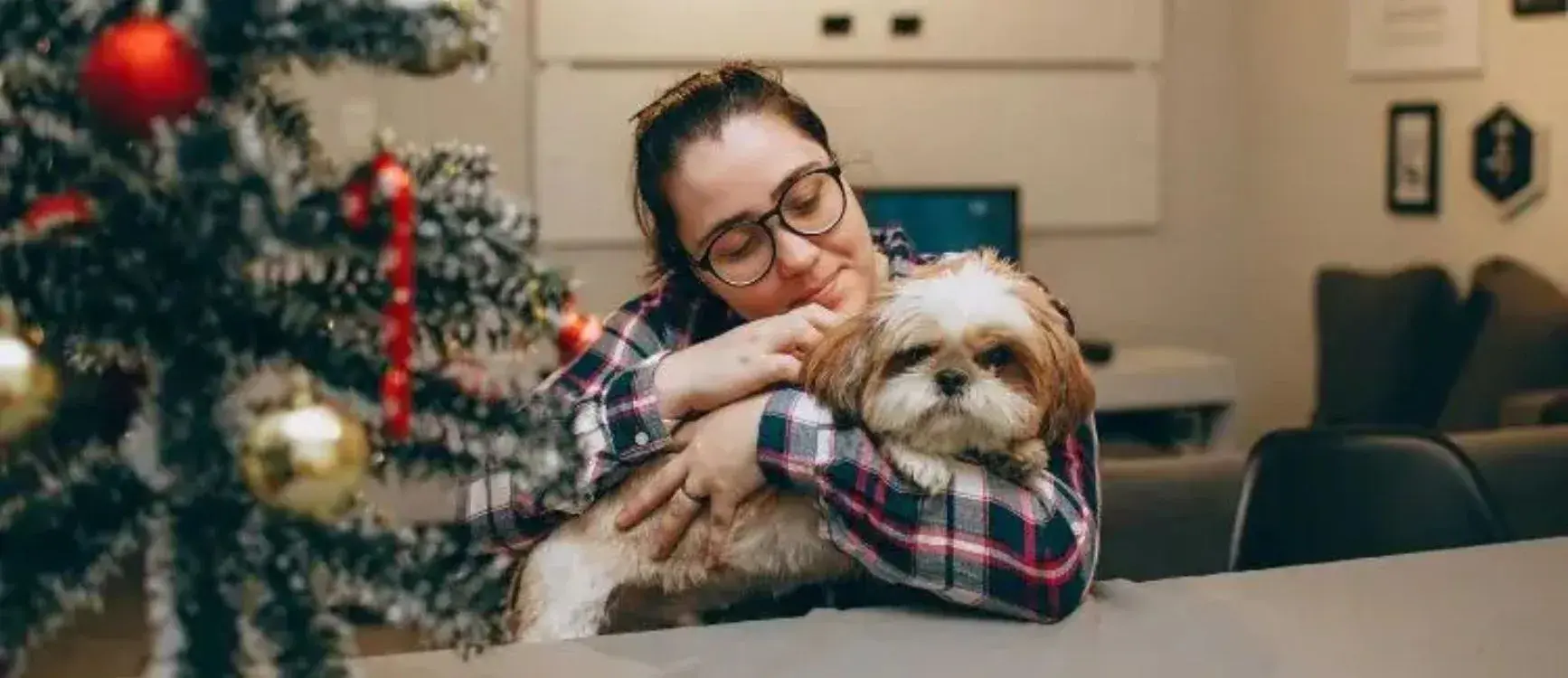
Signs Of Christmas-related Anxiety In Dogs
When trying to determine whether your dog is suffering from holiday stress, you’ll want to look for subtle and obvious signals. Some pups simply become clingy; others show full-blown dog anxiety attack behaviors.
Here are the most common anxiety signs in dogs during the holidays, and what they mean.
Pacing or Restlessness
Your dog wanders around, can’t lie still, or constantly switches rooms. This can be an early sign of overstimulation.
Shaking or Trembling
Often seen when new guests arrive or during loud celebrations. This is your dog’s nervous system in overdrive.
Hiding or Avoidance
Taking refuge under beds, behind sofas, or sneaking into quiet rooms is a sign that your dog is trying to self-soothe.
Excessive Barking
Your dog might bark at guests, sounds, lights, or movement. This heightened alertness is a classic anxiety behavior.
Chewing or Destructive Behavior
Stress chewing is very common during Christmas. Shoes, pillows, gift-wrapping… everything becomes fair game.
Door Dashing
A major pet safety concern, holiday visitors often trigger door dashing, especially in stressed or hyper-alert dogs.
Panting, Drooling, or Wide Eyes
These are physical indicators of intense stress, often seen during a dog's anxiety attack.
GI Issues
Upset stomach, vomiting, or diarrhea may indicate your dog is overwhelmed.
Panic Behaviors
Bolting, clawing at doors, or frantic behavior are severe dog anxiety attack symptoms and require immediate attention.
If you want to better understand your dog’s behavior, be sure to read this blog.
Holiday Anxiety Checklist For Dogs
Does your dog experience holiday anxiety? Check the signs:
-
☐ Pacing, pacing, pacing
-
☐ Loud or excessive barking
-
☐ Trembling or shaking
-
☐ Hiding from people or noise
-
☐ Sudden destructive habits
-
☐ Door dashing at every opportunity
-
☐ Heavy panting and drooling
-
☐ Panic during crowds or noise
If you ticked multiple boxes, your dog is likely overwhelmed by holiday activity.
Things That Can Cause Stress In Pets At Christmas
The holidays bring dozens of triggers that can overwhelm dogs, even those who normally handle life pretty well.
Here are the biggest culprits behind pet anxiety in December:
Loud Noises
Holiday music, fireworks, noisy toys, or excited children can overload your dog’s senses.
Strangers & Guests
Your dog suddenly has to navigate new smells, voices, and energy levels. For shy dogs, this can be terrifying.
Constant Doorbell Ringing
Few things spike dog anxiety faster than the doorbell. During the holidays, it becomes a recurring nightmare.
Overcrowded Rooms
Dogs who prefer calm environments may panic when surrounded by large groups of people.
Schedule Changes
Irregular meal times, missed walks, or late evenings affect your dog more than you might think.
Travel
New environments + unfamiliar scents = anxiety overload for many dogs.
Decorations & Lights
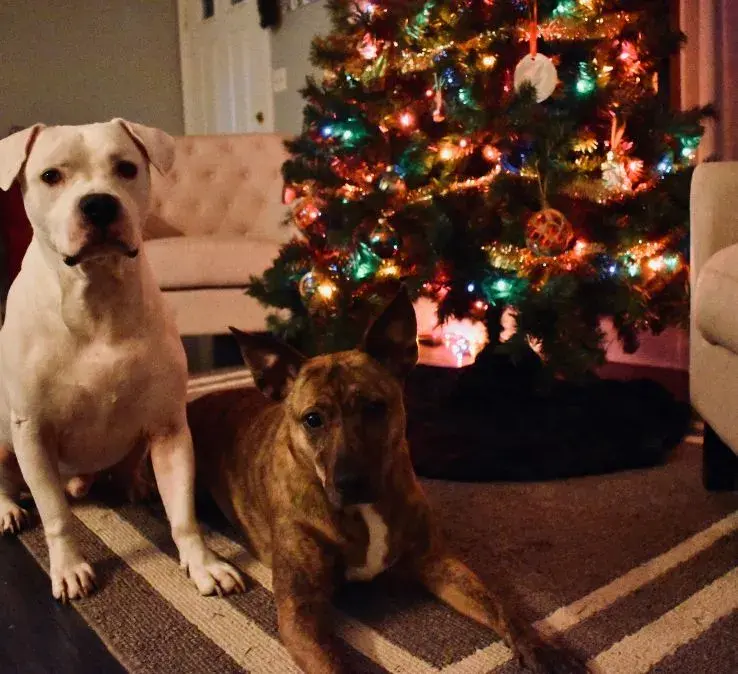
Flashing lights, moving decorations, new smells, and the Christmas tree itself can confuse or frighten dogs.
Disrupted Routine
Holiday madness often means less structure, and dogs thrive on structure.
Reduced Attention
Busy humans = lonely dogs, which contributes to holiday anxiety in dogs.
How To Create A Calm, Dog-friendly Christmas Environment
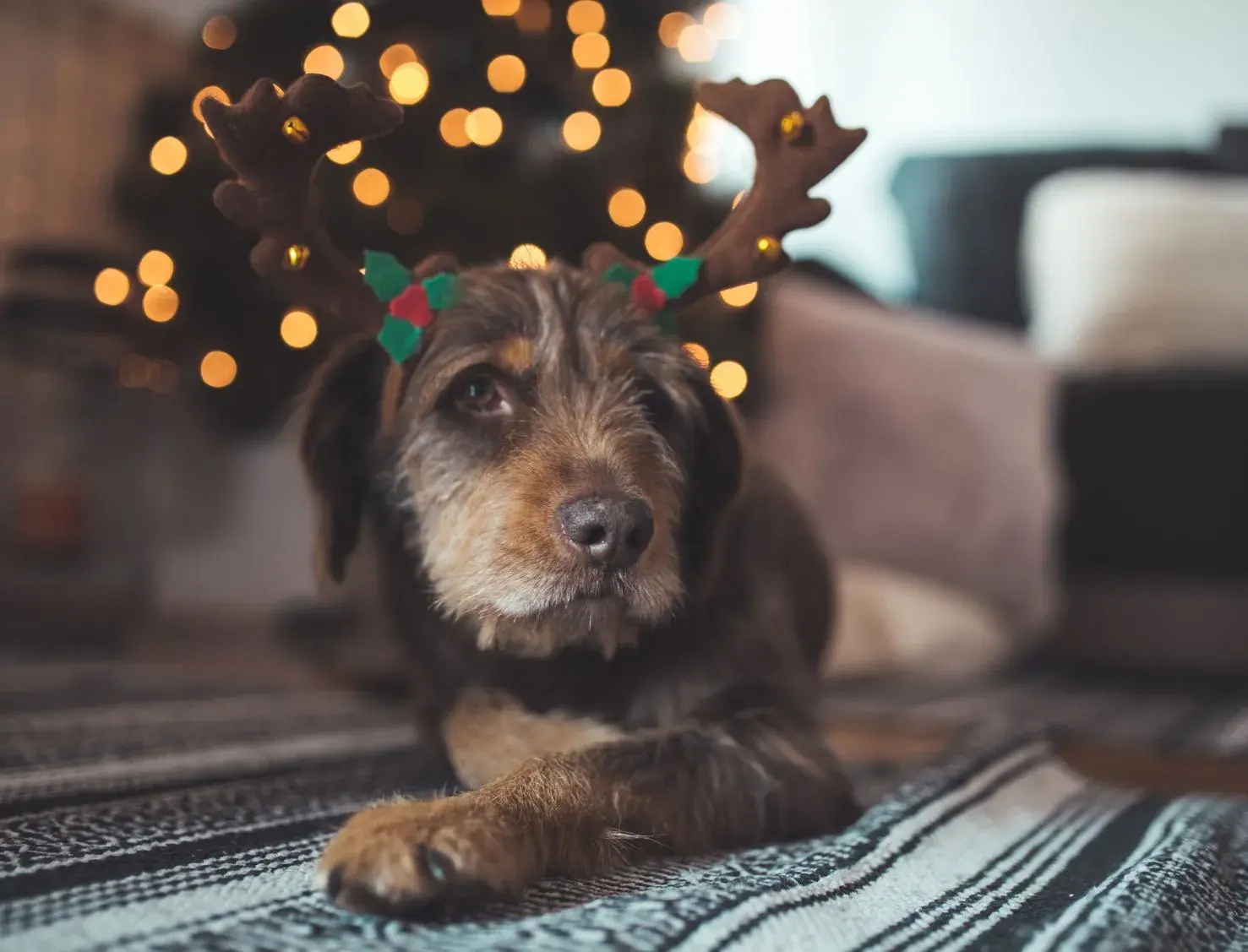
One of the best Remedies to help reduce holiday anxiety in pets is preparing the environment ahead of time.
Create a Dedicated Safe Zone
Set up a quiet corner or room with:
-
Their bed
-
Water
-
Soft blankets
-
Favorite toys
-
A dog anxiety crate
A cozy dog anxiety crate topped with a breathable blanket provides an enclosed space where your dog can retreat when things get loud.
Avoid Overstimulation
Keep your dog away from flashing lights, loud music, and overwhelming crowds.
Stick to Routine
Try to feed, walk, and play with your dog at the same times each day. Predictability reduces dog anxiety dramatically.
Limit Guest Interaction
Not every guest should touch or engage with your dog. Let your dog approach on their terms.
Use Calming Sounds
White noise machines, calming music, or fan noise can help reduce sensory overload.
Use Safe Calming Scents
Lavender diffusers or canine-safe aromatherapy sprays can help enhance relaxation.
Manage the Tree Area
Keep fragile ornaments up high, hide electrical cords, and block access if needed to prevent stress (and accidents).
At-home Remedies To Help Reduce Holiday Anxiety In Pets
Let’s explore natural and proven tools to help your dog stay calm.
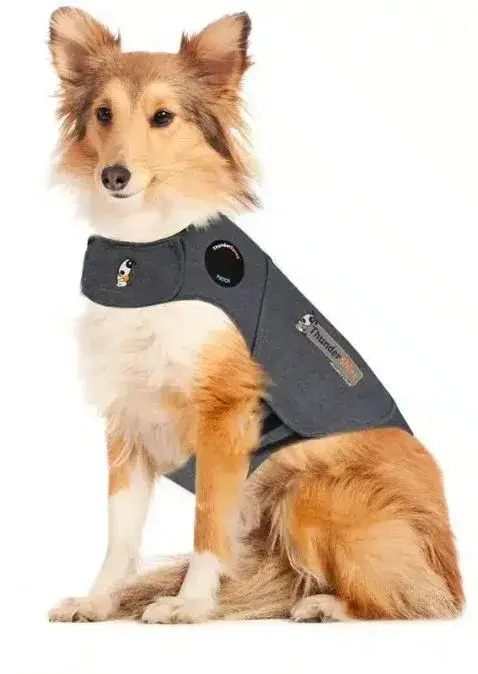
Anxiety Jacket Dog (Thundershirt)
Anxiety wraps apply gentle pressure that comforts many dogs.
Dog Anxiety Supplements
Look for ingredients like L-theanine, chamomile, magnesium, or melatonin. These can dramatically improve dog mood during stressful situations.
Lick Mats
Licking reduces cortisol, the stress hormone. Spread peanut butter, yogurt, or pumpkin.
Snuffle Mats & Toys
Provide mental stimulation and help redirect anxious energy.
Long-Lasting Chews
Yak chews, bully sticks, antlers, are great for stress relief and calming focus.
Puzzle Games
Keep your dog busy (and away from trouble!)
Weighted Blankets
Help dogs settle during chaotic moments.
Pheromone Diffusers (DAP)
These mimic natural dog pheromones and can significantly help with dog anxiety relief.
Training Tips To Reduce Christmas Anxiety
Training is one of the most powerful dog anxiety treatment tools.
Countercondition Door Dashing
Teach your dog that the door opening means “go to your mat,” not “escape into the neighborhood.”
Desensitize to Doorbell Sounds
Start with low-volume rings and reward calm behavior, gradually increasing the sound.
Teach a Solid “Place” Command
Helps your dog relax on a bed or mat while guests move around.
Practice Short Separations
This prepares your dog for the times when you’re busy hosting or cooking.
Reward Calmness
Treats, praise, and reinforcement encourage your dog to stay relaxed.
Introduce Guests Gradually
Have people toss treats or approach slowly so your dog feels more secure.
Traveling With An Anxious Dog During The Holidays
Travel is a top source of holiday anxiety in dogs, especially for those who dislike unfamiliar spaces.
Create a Travel Anxiety Kit
Include calming treats, water, favorite toys, and a familiar blanket.
Use a Crate or Seat-Belt Harness
A secure dog anxiety crate setup helps prevent stress-induced pacing.
Plan Frequent Breaks
Let your dog decompress during long drives.
Comfort in Hotels or Guest Homes
Recreate your dog’s home base with bedding, toys, and calming scents.
Want to learn more about traveling with a dog or cat? Explore these blogs.
Christmas Safety Tips For Dogs
Even calm dogs face risks during the holidays, so stay vigilant!
Toxic Foods
Chocolate, grapes, raisins, xylitol, alcohol, fatty foods.
Dangerous Decorations
Tinsel, string lights, ornaments, pine needles, tree water.
Guest Bags
Medications or foods in accessible bags are a major hazard.
Fire & Heat
Candles, fireplaces, space heaters, tail magnets!
When To Seek Professional Help
Sometimes dog anxiety treatment requires expert support.
Seek help if you notice:
-
Repeated dog anxiety attacks
-
Extreme destructive behavior
-
Self-injury
-
Long-term or worsening symptoms
Veterinarians and certified behaviorists can offer:
-
Prescription anxiety medication
-
Structured behavior modification plans
-
Guidance for severe cases of pet anxiety
Christmas Dog Anxiety FAQ
Conclusion: Christmas Dog Anxiety
The holidays may be magical for us, but for many dogs they bring noise, chaos, and overwhelming changes. By recognizing the signs of Christmas-related anxiety and understanding the triggers, whether it's guests, loud music, travel, or disrupted routines, you can take meaningful steps to help your dog feel safe and secure. Simple adjustments like creating a quiet retreat, sticking to familiar routines, offering calming tools, and practicing supportive training techniques can make a world of difference for your furry friend.
Remember: your dog isn’t being difficult, they’re doing their best to cope with a season that feels unpredictable through their sensitive senses. With preparation, patience, and a little extra compassion, you can turn the holidays into a calmer, more comforting experience for your pet. A peaceful dog makes for a truly joyful Christmas for the whole family.
FIND THE BEST DOOR BUDDY FOR YOUR HOME
Tired of playing door referee? Door Buddy gives you an easy way to control access in your home, from curious cats to energetic dogs to busy little humans. Find the right fit below and take back control of your space.
WHAT’S ON THE BLOG
Tips, tricks, and stories for happier, healthier cats and homes. Explore our latest articles below.

Subscribe to be the first to hear about our exclusive offers and latest arrivals.
INFORMATION
COMPANY
GET IN TOUCH
Copyright © 2026 | All rights reserved @Door Buddy

Your Privacy Rights
At The Door Buddy, your privacy matters. You have full control over how your personal data is collected and used.
Opt out of sale & sharing
You have the right to opt out of the sale or sharing of your personal information for targeted advertising.
Right to correct & delete
You may request corrections or deletion of inaccurate personal information we hold about you.
Do Not Sell / Targeted Advertising
We may share browsing data with advertising partners. Toggle off to opt out across all our ad platforms.
Targeted advertising Active
Allows personalised ads based on your activity on The Door Buddy store and across the web.
Meta / Facebook Pixel
Used for retargeting campaigns and conversion tracking via Meta Ads Manager.
Google Ads & remarketing
Enables conversion tracking and personalised ads across Google's network.
Sensitive Personal Information
We do not currently store sensitive personal data such as health or financial information.
Precise location
Used to estimate shipping times and show local delivery options.
Browsing & purchase history
Used to personalise your experience including product recommendations.
Cookie Preferences
Manage which cookies are stored on your device.
Strictly necessary Always on
Required for checkout, cart, login, and security.
Analytics & performance
Help us understand how visitors navigate the store (e.g. Google Analytics).
Marketing & advertising
Used to deliver relevant ads and measure campaign performance.
Functional
Enhance your experience with features like live chat and wishlists.
Access, Correct & Delete Your Data
Submit a request below — we aim to respond within 30 days as required by law.
Request a data report
Receive a full summary of personal data we hold about you.
Correct my data
Ask us to update or fix inaccurate personal information we hold.
Delete my account & data
Request permanent deletion, subject to legal retention requirements.