
50,000+ HAPPY CUSTOMERS

Human Foods That Are Toxic To Dogs And Cats
By: Door Buddy Editors | Published: June 12, 2026
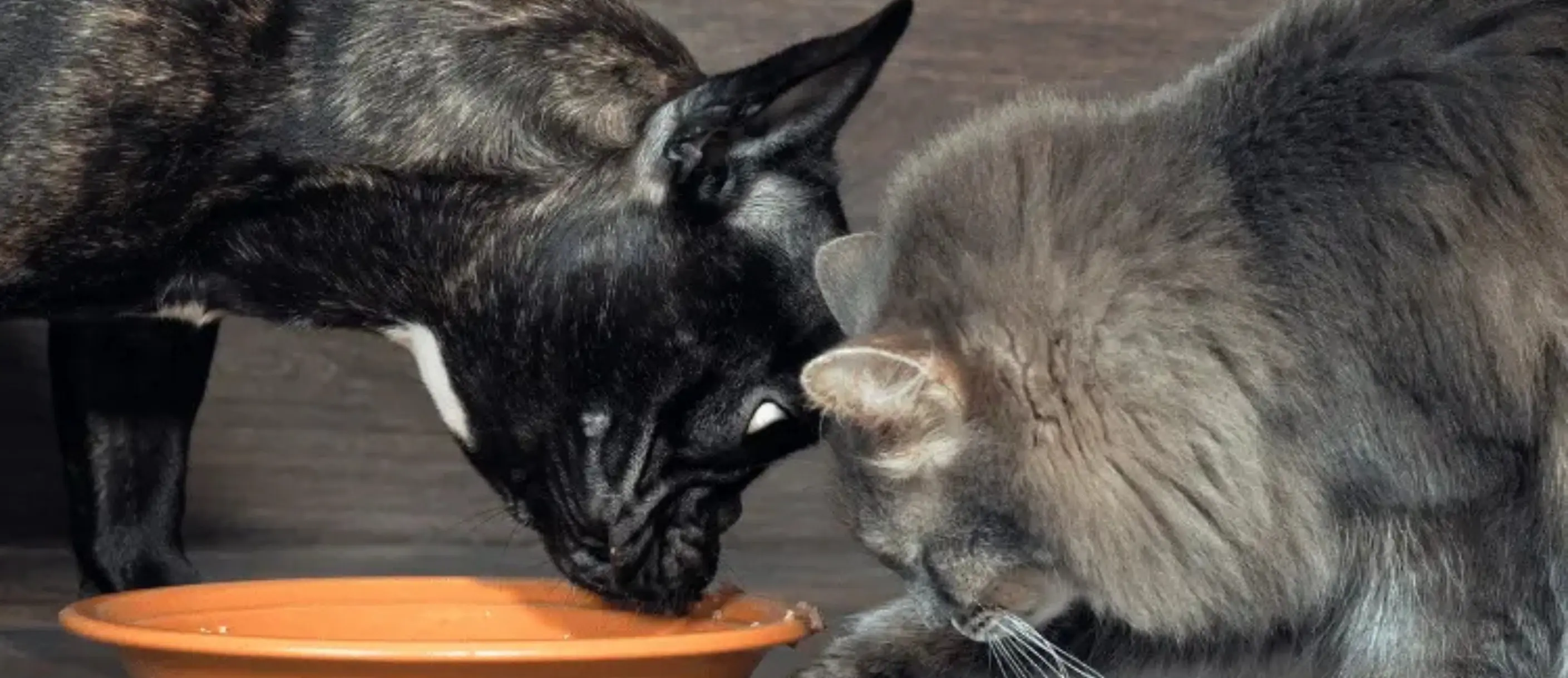
Foods Toxic To Dogs
If you’re asking what foods are toxic to dogs or what can’t dogs eat, this section covers the most important dangers every pet parent should know.
These are also commonly searched as:
-
toxic food for dogs
-
foods poisonous to dogs
-
foods dangerous to dogs
-
foods bad for dogs
-
most dangerous food for dog
Here is our list of human foods toxic to dogs that you need to be aware of:
Grapes and Raisins
Can dogs eat grapes? Unfortunately, no. Grapes and raisins may seem like a healthy snack, but they're highly toxic to dogs. Since raisins are simply dried grapes, they carry the same risk.
While experts still aren't sure exactly what makes grapes and raisins toxic, they can cause serious health problems, including kidney failure. To keep your pup safe, it's best to avoid sharing these fruits altogether.

Xylitol (Artificial Sweetener)
Xylitol may sound harmless, but it's one of the most dangerous ingredients a dog can eat. This artificial sweetener can cause a rapid drop in blood sugar and, in severe cases, liver failure.
The tricky part? Xylitol is often hidden in everyday products, including sugar-free gum, some peanut butters, baked goods, candies, and even toothpaste. Always check ingredient labels before sharing human foods with your pup.
Avocado
Many pet parents are surprised to learn that avocados often appear on lists of foods dogs shouldn't eat. Avocados contain a substance called persin, which can cause vomiting, diarrhea, and other digestive upset in some dogs.
While small amounts of the flesh may not affect every dog, it's best to play it safe and avoid sharing avocado with your pup.
Caffeine (Coffee & Tea)
Your morning pick-me-up can be dangerous for your dog. Caffeine is highly toxic to dogs and can affect both the nervous system and the heart, leading to serious health problems.
Be sure to keep coffee, tea, energy drinks, caffeine pills, and even some chocolate-flavored products out of reach of curious pups. When it comes to caffeine, it's best not to share at all.
Chocolate
Chocolate is one of the most well-known foods toxic to dogs. It contains theobromine, a substance dogs can't metabolize safely, which can lead to serious illness.
The darker the chocolate, the higher the risk, so even small amounts can be dangerous. It's best to keep all chocolate treats well out of reach of curious pups.
Yeast Dough
Raw dough might seem harmless, but it can be dangerous for dogs. Once eaten, it can continue to rise in the stomach, causing painful bloating and discomfort. As it ferments, it can also produce alcohol internally, which can lead to alcohol poisoning.
It’s one of those surprising foods that’s best kept far away from curious pups.
Cooked Bones
Cooked bones might seem like a tasty treat, but they can be very dangerous for dogs. Unlike raw bones, cooked bones can splinter easily, which may lead to choking, mouth injuries, or even serious internal damage and intestinal blockages.
It’s safest to avoid giving cooked bones altogether and stick to dog-safe chews instead.
Fat Trimmings
Fat trimmings from meat might seem like a harmless snack, but they can be risky for dogs. High-fat foods can trigger pancreatitis, a painful and potentially serious condition that often requires urgent veterinary care.
To keep your dog safe, it’s best to avoid sharing fatty scraps from the table and stick to balanced, dog-friendly treats instead.
Macadamia Nuts, Walnuts & Pecans
“Un-fur-tunately”, Macadamia nuts are toxic to dogs and can cause depression, weakness, tremors, and vomiting, and the symptoms usually show within 24 hours of consumption.
Foods Toxic To Cats
Cats are often more selective eaters, but they are still at risk from many everyday foods.
If you’ve searched what food is poison to cats or harmful foods for cats, here’s what you need to know.
Want to learn which plants are toxic to cats? Read more here.

Onions and Garlic
Onions and garlic are toxic to cats and can damage their red blood cells, leading to anemia, even in small amounts.
These ingredients are often hidden in cooked meals, sauces, and seasonings, so it’s important to avoid sharing any human food that contains them with your cat.
Chocolate
Just like dogs, chocolate is highly toxic to cats. It contains theobromine, a compound that cats can’t process safely, which can lead to serious illness.
Even small amounts can be dangerous, so it’s best to keep all chocolate products well out of reach of curious cats.
Caffeine (Coffee & Tea)
Even small amounts of caffeine can be dangerous for cats and may cause symptoms such as restlessness, rapid heart rate, and tremors.
Caffeine is found in coffee, tea, energy drinks, and some other common household products, so it’s best to keep all of these well out of reach of curious cats.
Alcohol
Alcohol is extremely dangerous for cats, even in small amounts. It can quickly affect the nervous system and may lead to serious illness, including organ failure.
Keep all alcoholic drinks and foods containing alcohol safely out of reach of curious cats.
Milk and Dairy Products
Many cats are lactose intolerant, which means dairy can cause digestive upset. Even though cats may enjoy the taste, milk and other dairy products can lead to symptoms like stomach pain, diarrhea, and discomfort.
It’s best to avoid offering dairy and stick to fresh water as your cat’s main drink.
Foods Toxic To Dogs And Cats
Many pet parents search for foods toxic to dogs and cats, these are the shared dangers:
| Food | Dogs | Cats | Risk |
|---|---|---|---|
| Chocolate | ❌ | ❌ | High |
| Grapes & Raisins | ❌ | ❌ | High |
| Onions | ❌ | ❌ | High |
| Garlic | ❌ | ❌ | High |
| Alcohol | ❌ | ❌ | High |
| Caffeine | ❌ | ❌ | High |
| Xylitol | ❌ | ❌ | High |
Symptoms Of Pet Toxicity
If your “paw-some” thief has raided the toxic foods list, watch for these signs:
Digestive symptoms:
-
Vomiting
-
Diarrhea
-
Drooling
-
Loss of appetite
Neurological symptoms:
-
Tremors
-
Seizures
-
Wobbliness
-
Confusion
Physical symptoms:
-
Lethargy
-
Rapid breathing
-
Collapse
Non-Toxic Human Food For Dogs
Not all human food is bad. Many “pawrents” also search for non-toxic human food for dogs or human foods that are ok for dogs.
Safe options include:
-
Plain cooked chicken
-
Carrots
-
Apples (no seeds)
-
Pumpkin
-
Rice
-
Blueberries
-
Plain Eggs
Prevention Starts At Home
Most cases of food poisoning in dogs and cats occur at home.
And the usual suspects? They’re probably familiar:
-
Kitchen counters
-
Bins
-
Food prep areas
-
Toddler snack zones
Preventing access is almost always easier than dealing with poisoning later.
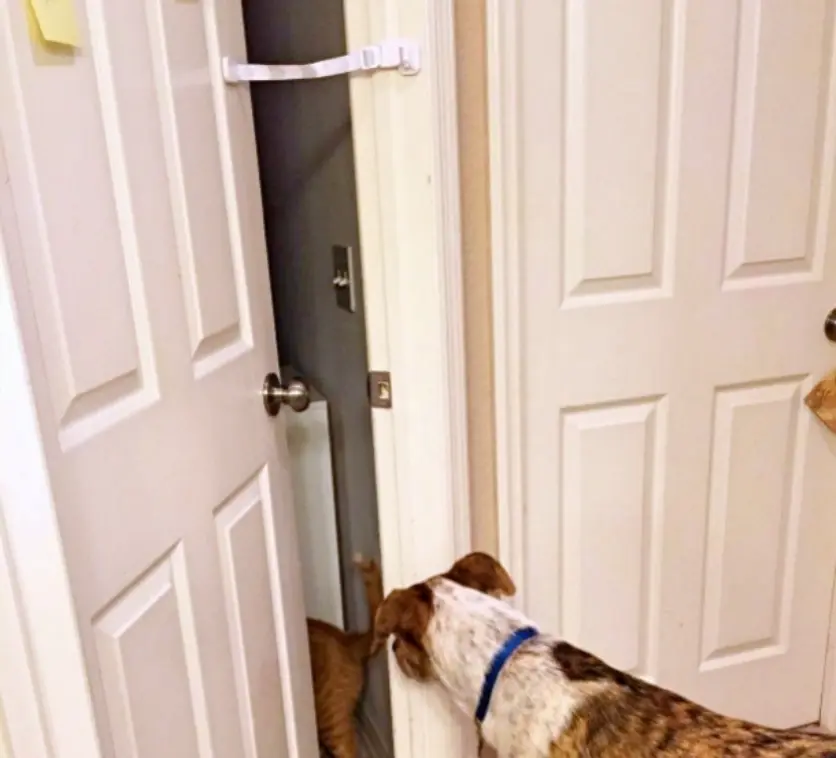
That’s where a little home setup goes a long way. Door Buddy helps create safe pet boundaries by:
-
Keeping dogs away from cat food areas
-
Reducing access to toxic foods for pets
Frequently Asked Questions
Conclusion: Human Foods That Are Toxic To Dogs And Cats
Understanding what foods are toxic to dogs, what foods are toxic to cats, and what foods they simply can’t eat is an important part of being a pet parent.
From obvious dangers like chocolate and alcohol to hidden risks like xylitol and cooked bones, many everyday foods fall under foods poisonous to dogs and cats without pet parents even realizing it.
The good news is that awareness makes all the difference.
With a safe home environment and a little knowledge, you can dramatically reduce the risk of pet toxicity and keep your furry family safe and healthy.
Curious what’s secretly toxic to your pets? Read the blog.
FIND THE BEST DOOR BUDDY FOR YOUR HOME
Tired of playing door referee? Door Buddy gives you an easy way to control access in your home, from curious cats to energetic dogs to busy little humans. Find the right fit below and take back control of your space.
WHAT’S ON THE BLOG
Tips, tricks, and stories for happier, healthier cats and homes. Explore our latest articles below.

Subscribe to be the first to hear about our exclusive offers and latest arrivals.
INFORMATION
COMPANY
GET IN TOUCH
Copyright © 2026 | All rights reserved @Door Buddy

Your Privacy Rights
At The Door Buddy, your privacy matters. You have full control over how your personal data is collected and used.
Opt out of sale & sharing
You have the right to opt out of the sale or sharing of your personal information for targeted advertising.
Right to correct & delete
You may request corrections or deletion of inaccurate personal information we hold about you.
Do Not Sell / Targeted Advertising
We may share browsing data with advertising partners. Toggle off to opt out across all our ad platforms.
Targeted advertising Active
Allows personalised ads based on your activity on The Door Buddy store and across the web.
Meta / Facebook Pixel
Used for retargeting campaigns and conversion tracking via Meta Ads Manager.
Google Ads & remarketing
Enables conversion tracking and personalised ads across Google's network.
Sensitive Personal Information
We do not currently store sensitive personal data such as health or financial information.
Precise location
Used to estimate shipping times and show local delivery options.
Browsing & purchase history
Used to personalise your experience including product recommendations.
Cookie Preferences
Manage which cookies are stored on your device.
Strictly necessary Always on
Required for checkout, cart, login, and security.
Analytics & performance
Help us understand how visitors navigate the store (e.g. Google Analytics).
Marketing & advertising
Used to deliver relevant ads and measure campaign performance.
Functional
Enhance your experience with features like live chat and wishlists.
Access, Correct & Delete Your Data
Submit a request below — we aim to respond within 30 days as required by law.
Request a data report
Receive a full summary of personal data we hold about you.
Correct my data
Ask us to update or fix inaccurate personal information we hold.
Delete my account & data
Request permanent deletion, subject to legal retention requirements.